

Chasing Gambling Losses: Why Trying to Win Your Money Back Can Make Gambling Addiction Worse
Understanding the emotional and financial cycle of gambling addiction, recognising harmful gambling behaviours and developing practical strategies for recovery.
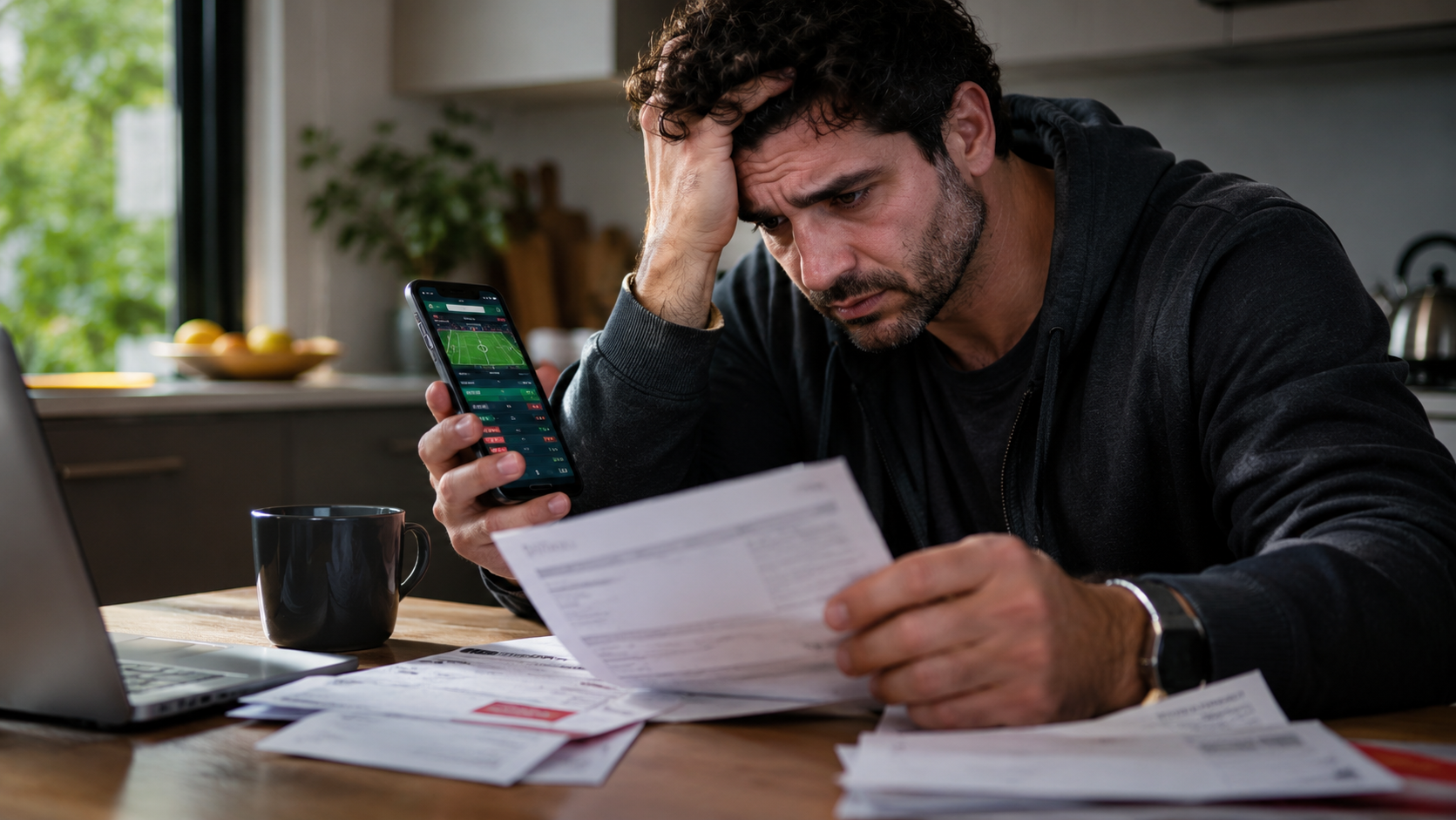
Gambling addiction can develop into a destructive cycle in which individuals continue gambling despite experiencing significant financial, emotional and relationship consequences.
One of the most concerning patterns associated with gambling addiction is chasing losses. This occurs when someone continues gambling in an attempt to recover money they have already lost.
Rather than resolving financial difficulties, chasing losses can increase debt, emotional distress and dependence on gambling.
At Advance Minds Counselling & Mental Health Services in Bankstown, Sydney, gambling addiction counselling helps individuals understand the underlying factors contributing to harmful gambling behaviors and develop practical strategies for recovery.
What Does Chasing Gambling Losses Mean?
Chasing losses involves continuing to gamble with the expectation that another bet, game or gambling session will recover previous financial losses.
Someone may initially intend to spend a small amount of money but continue gambling after experiencing an unexpected loss.
As financial losses increase, the individual may feel greater pressure to continue gambling.
The focus can gradually shift from entertainment towards attempting to resolve financial problems through further gambling.
This pattern can become increasingly difficult to interrupt.
Why Gambling Losses Can Trigger Emotional Reactions
Losing money through gambling can trigger feelings of frustration, embarrassment, anxiety, regret and disappointment.
Some individuals struggle to accept that the money has been lost and begin searching for opportunities to reverse the situation.
The possibility of winning may temporarily provide relief from uncomfortable emotions.
However, this relief can reinforce the belief that gambling is the solution to problems created by gambling itself.
Understanding this emotional cycle is an important component of gambling addiction recovery.
The Belief That One Big Win Will Fix Everything
Individuals experiencing gambling difficulties may develop the belief that a significant win will resolve their financial problems.
They may imagine paying outstanding bills, clearing debts, restoring savings or repairing damaged relationships.
This expectation can encourage increasingly risky gambling decisions.
Previous wins may also strengthen the belief that another successful outcome is achievable.
However, previous gambling outcomes do not guarantee future results.
Continuing to gamble in an attempt to recover losses can expose individuals to further financial harm.
Recognizing the Warning Signs of Gambling Addiction
Gambling-related difficulties can develop gradually.
Common warning signs include:
- Gambling with money intended for essential expenses.
- Increasing gambling amounts after experiencing losses.
- Borrowing money to continue gambling.
- Hiding gambling transactions from family members.
- Frequently thinking about gambling opportunities.
- Experiencing anxiety when unable to gamble.
- Attempting unsuccessfully to reduce gambling.
- Neglecting employment or family responsibilities.
- Continuing gambling despite financial consequences.
- Using gambling to escape emotional difficulties.
Recognizing these patterns early may help individuals seek appropriate support before the consequences become more severe.
Understanding the Gambling Reward Cycle
Gambling can involve unpredictable rewards that encourage repeated participation.
The anticipation of winning may create excitement, while occasional wins can reinforce continued gambling.
Even when losses significantly exceed winnings, individuals may remain focused on memorable successful outcomes.
This can contribute to unrealistic expectations about future gambling results.
Gambling addiction counselling can help individuals examine these expectations and understand how learned behavioral patterns influence their decisions.
How Online Gambling Can Increase Accessibility
Online sports betting, gambling applications and other digital gambling platforms have made gambling more accessible.
Individuals may be able to gamble privately at different times throughout the day without attending a physical gambling venue.
This accessibility can create challenges for people attempting to reduce or stop gambling.
Notifications, advertising and sporting events may also become associated with gambling urges.
Developing strategies to reduce exposure to gambling opportunities can support recovery.
The Impact of Gambling Addiction on Financial Wellbeing
Gambling addiction can affect an individual's ability to maintain financial stability.
Potential consequences include unpaid bills, accumulated debt, depleted savings, difficulties meeting mortgage or rental payments and increased financial dependence on others.
Financial difficulties may also contribute to anxiety, depression and relationship conflict.
Attempting to recover financially through further gambling can increase these difficulties.
Recovery may involve accepting previous losses and developing a realistic financial rebuilding plan.
Professional financial counselling can complement addiction counselling when individuals require assistance managing debt and financial hardship.
How Gambling Addiction Affects Relationships
Gambling-related secrecy and financial difficulties can significantly affect relationships.
Partners may experience disappointment, uncertainty and concerns about financial security.
Repeated promises to stop gambling, followed by further gambling episodes, may contribute to reduced trust.
Family members may also experience emotional exhaustion when attempting to manage the consequences of another person's gambling behaviour.
Rebuilding trust often requires consistent accountability, transparency and meaningful behavioral change.
Accepting Financial Losses as Part of Recovery
One of the most difficult aspects of gambling recovery can be accepting that previous losses cannot reliably be recovered through gambling.
Individuals may experience grief, regret or embarrassment when reflecting on the financial consequences of their behaviour.
Accepting these losses does not mean abandoning financial recovery.
Instead, it involves recognizing that rebuilding financial stability requires a different approach.
Developing achievable financial goals, seeking appropriate support and establishing healthier spending habits can help individuals gradually move forward.
Developing Practical Gambling Recovery Strategies
Recovery strategies should reflect an individual's circumstances, triggers and level of gambling-related harm.
Helpful approaches may include:
- Removing gambling applications from personal devices.
- Exploring gambling self-exclusion options.
- Reducing exposure to gambling advertisements.
- Establishing realistic financial boundaries.
- Seeking independent financial counselling.
- Identifying emotional and environmental gambling triggers.
- Developing alternative recreational activities.
- Establishing a professional support network.
- Creating a personalized relapse prevention plan.
Some individuals may benefit from voluntary financial accountability arrangements with trusted people.
These arrangements should respect personal autonomy and avoid creating opportunities for financial control or abuse.
Addressing the Emotional Reasons Behind Gambling
Gambling may become a way of temporarily escaping stress, loneliness, relationship difficulties, boredom or emotional discomfort.
For some individuals, the excitement associated with gambling may provide a temporary distraction from everyday responsibilities.
Effective gambling addiction counselling explores these underlying experiences rather than focusing exclusively on financial losses.
Developing healthier emotional coping strategies can reduce reliance on gambling as a means of managing difficult feelings.
Learning to Manage Gambling Urges
Gambling urges may occur in response to financial stress, sporting events, advertising, boredom or previous gambling routines.
Experiencing an urge does not mean an individual must act on it.
Counselling can help individuals recognize warning signs, develop alternative responses and identify situations requiring additional support.
Keeping a record of gambling urges may help individuals understand when cravings occur and which circumstances contribute to them.
Developing greater awareness can support more deliberate decision-making.
How Gambling Addiction Counselling Can Help
At Advance Minds, gambling addiction counselling provides a supportive and non-judgmental environment for exploring harmful gambling behaviors.
Counselling may assist with:
- Understanding gambling addiction patterns.
- Recognizing emotional and financial triggers.
- Challenging unrealistic gambling beliefs.
- Developing relapse prevention strategies.
- Strengthening personal accountability.
- Improving emotional regulation.
- Addressing relationship difficulties.
- Establishing realistic recovery goals.
Recovery is an individual process, and treatment approaches should reflect personal circumstances and needs.
Gambling Addiction Counselling in Bankstown and Across Australia
Advance Minds provides face-to-face gambling addiction counselling in Bankstown, Sydney, alongside online counselling across Australia.
Whether you are concerned about sports betting, poker machines, online gambling or repeated attempts to recover financial losses, professional counselling can help you explore your circumstances and develop practical strategies for change.
Additional specialist support is available through Gambling Help Online and the National Gambling Helpline on 1800 858 858.
Frequently Asked Questions
Why do I keep gambling after losing money?
Chasing losses may develop when someone believes further gambling can reverse previous financial losses or relieve uncomfortable emotions.
Is chasing losses a sign of gambling addiction?
Chasing losses is a recognized warning sign of harmful gambling and may indicate that professional assessment and support would be beneficial.
Can gambling addiction affect mental health?
Yes. Gambling-related difficulties can contribute to anxiety, depression, emotional exhaustion and relationship stress.
Can counselling help me stop gambling?
Gambling addiction counselling can help individuals understand their behaviour, identify triggers and develop personalized recovery strategies.
Should I try to win back my gambling losses?
Continuing to gamble to recover losses can increase financial harm. Financial counselling and a realistic recovery plan may provide safer alternatives.
Can relationships recover after gambling addiction?
Relationships may improve through consistent accountability, honesty, appropriate support and meaningful behavioral change. Outcomes depend on individual circumstances.
Is online gambling addiction counselling available?
Yes. Advance Minds provides online gambling addiction counselling across Australia.
Take the First Step Towards Gambling Recovery
Financial losses do not need to determine your future. Developing healthier behaviors, addressing emotional difficulties and accessing appropriate professional support can help you work towards greater financial and emotional stability.
Click the Book Now button on our website to book your appointment with Advance Minds.

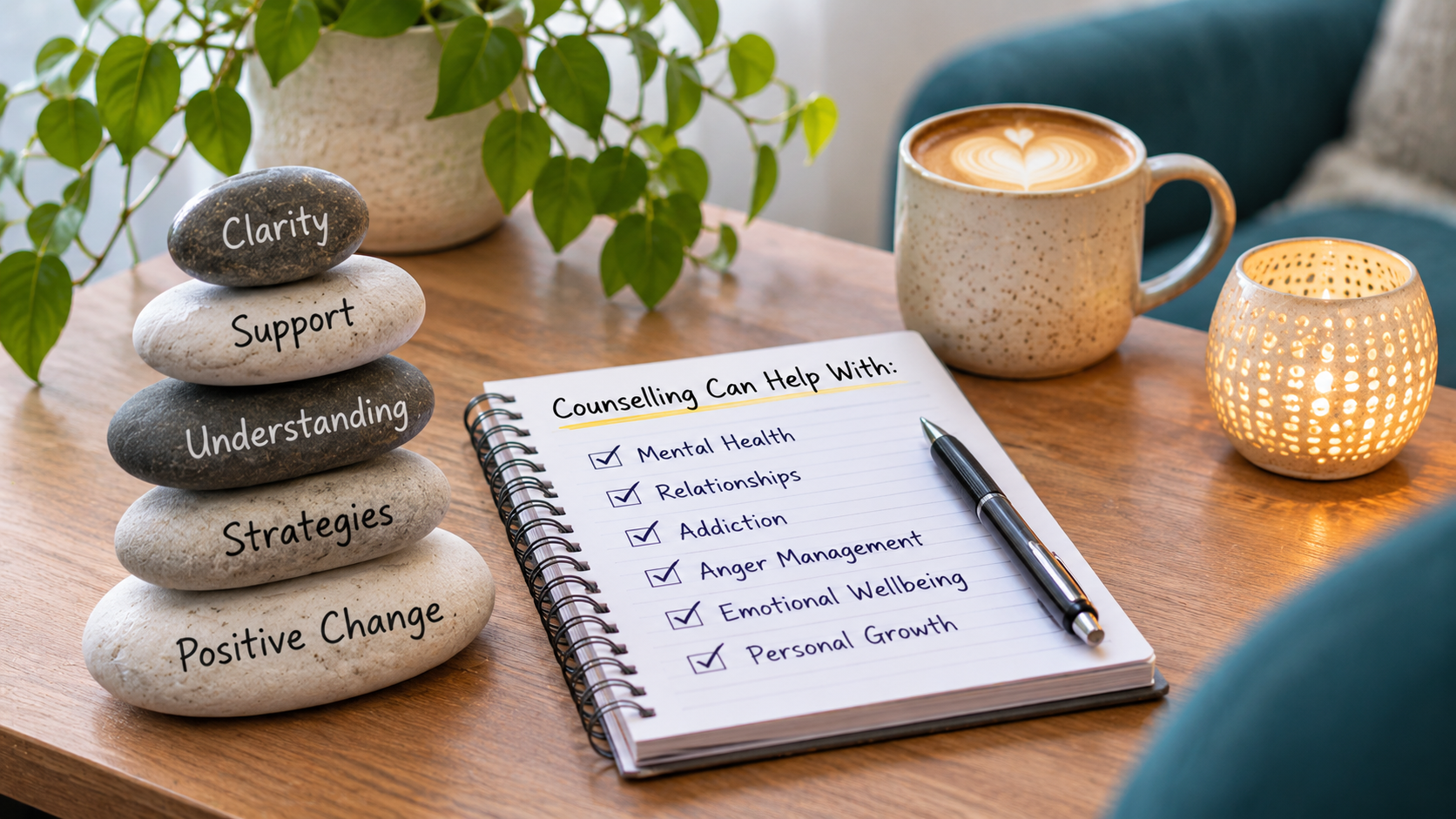

Advance Minds Blog
A safe space to explore subjects within the community such as mental health, substance abuse and personal identity.
Our safe space also provides the opportunity for real individuals to express their hardships and success through writing.
Are you in crisis?
- In an emergency, call 000
- Lifeline 13 11 14
- 1800RESPECT 1800 737 732
- Beyond Blue 1300 224 636
- Suicide Call Back Service 1300 659 467