

Why You Feel Guilty When You Take Time for Yourself
Understanding self-care guilt, overcoming excessive responsibility and developing healthier personal boundaries without feeling selfish.

Taking time for yourself should provide an opportunity to rest, recover and maintain your emotional wellbeing. However, many individuals experience guilt whenever they prioritise their own needs.
Instead of enjoying time away from responsibilities, they may worry about disappointing others, appearing selfish or failing to meet expectations.
Over time, this pattern can contribute to emotional exhaustion, resentment, anxiety and difficulties maintaining healthy relationships.
At Advance Minds Counselling & Mental Health Services in Bankstown, Sydney, mental health counselling helps individuals understand the emotional factors contributing to self-care guilt and develop healthier approaches to personal wellbeing.
Understanding Self-Care Guilt
Self-care guilt occurs when someone experiences discomfort or self-criticism for prioritising their own physical or emotional needs.
An individual may recognise that they need rest but feel unable to relax because they believe they should be doing something productive or helping someone else.
This can make even ordinary activities, such as exercising, spending time with friends or enjoying a quiet afternoon, feel emotionally challenging.
Understanding where these feelings originate can help individuals develop a healthier relationship with personal time.
Why Some People Feel Responsible for Everyone Else
Some individuals develop a strong sense of responsibility for the wellbeing of others.
They may regularly prioritise family members, partners, colleagues or friends while overlooking their own emotional needs.
Although supporting others can be meaningful, consistently neglecting yourself may become unsustainable.
Excessive responsibility can create a belief that your value depends on how much you contribute to other people's lives.
Counselling can help individuals explore these beliefs and develop a more balanced understanding of responsibility.
How Childhood Experiences Can Influence Self-Care Guilt
Early family experiences may influence how individuals understand personal needs and responsibility.
Someone who grew up receiving praise primarily for being helpful, obedient or productive may develop an association between personal worth and meeting expectations.
Others may have assumed significant family responsibilities at a young age.
These experiences can contribute to difficulties establishing boundaries or recognising personal needs in adulthood.
Exploring these patterns can help individuals understand why prioritising themselves feels uncomfortable.
The Connection Between People-Pleasing and Emotional Exhaustion
People-pleasing can involve repeatedly prioritising other people's preferences to avoid disappointment, criticism or conflict.
Individuals may agree to additional responsibilities despite already feeling overwhelmed.
They may struggle to decline invitations, request assistance or communicate that they need personal time.
Over time, this pattern can contribute to emotional exhaustion and resentment.
Developing healthier boundaries does not require becoming indifferent to others. It involves recognising that your needs also deserve consideration.
Why Rest Can Feel Unproductive
Some individuals associate productivity with personal achievement and self-worth.
When they are not working, organising responsibilities or helping someone else, they may feel that they are wasting valuable time.
This mindset can make genuine rest difficult.
Rest supports physical health, concentration, emotional regulation and sustainable functioning.
Learning to recognise the value of rest can help individuals develop healthier expectations of themselves.
Recognising the Signs of Emotional Exhaustion
Consistently overlooking personal needs may contribute to:
- Persistent tiredness.
- Increased irritability.
- Reduced motivation.
- Difficulty concentrating.
- Emotional withdrawal.
- Resentment towards others.
- Difficulty enjoying everyday activities.
- Increased anxiety.
- Feeling overwhelmed by ordinary responsibilities.
These experiences can indicate that existing routines and expectations deserve attention.
Persistent symptoms may also have medical or mental health causes that require appropriate assessment.
Understanding the Difference Between Self-Care and Selfishness
Self-care involves taking reasonable steps to maintain physical, emotional and mental wellbeing.
Selfish behaviour involves disregarding the legitimate needs or wellbeing of others for personal advantage.
Taking time to rest, attend counselling, exercise or pursue meaningful interests does not automatically mean that you are neglecting your responsibilities.
A healthy balance allows individuals to support others while also maintaining their own wellbeing.
Establishing Boundaries Without Excessive Guilt
Boundaries help individuals communicate their needs, limitations and expectations.
Someone who struggles with self-care guilt may initially experience discomfort when establishing new boundaries.
This discomfort does not necessarily indicate that the boundary is inappropriate.
Helpful approaches may include:
- Communicating your availability clearly.
- Avoiding commitments you cannot realistically manage.
- Requesting assistance when needed.
- Scheduling personal time.
- Recognising that you cannot resolve every problem.
- Allowing others to manage appropriate responsibilities independently.
Developing healthier boundaries often requires patience and consistent practice.
Learning to Tolerate Other People's Disappointment
One reason individuals struggle to prioritise themselves is the fear of disappointing others.
They may believe that declining a request will damage a relationship or cause someone to think negatively of them.
However, maintaining healthy relationships does not require agreeing to every request.
Other people may occasionally feel disappointed when you establish reasonable limits.
Learning to tolerate this discomfort can help individuals develop greater confidence and reduce excessive people-pleasing.
How Self-Care Can Improve Relationships
When individuals consistently neglect their emotional needs, they may become increasingly frustrated, withdrawn or resentful.
These feelings can affect communication and emotional connection.
Taking reasonable time for yourself may help improve emotional regulation and create greater capacity to participate meaningfully in relationships.
Healthy relationships allow both individuals to express personal needs while maintaining shared responsibilities.
Developing a Healthier Relationship With Personal Time
Personal time does not need to involve expensive activities, holidays or elaborate routines.
Small, meaningful activities can support emotional wellbeing.
These may include reading, gardening, exercising, spending time outdoors, participating in hobbies or enjoying uninterrupted quiet time.
The important consideration is whether the activity supports your wellbeing and provides an opportunity to reconnect with your own needs.
Challenging Unhelpful Beliefs About Self-Worth
Individuals experiencing self-care guilt may hold beliefs such as:
- I must always be available to others.
- My needs are less important.
- Rest means I am being lazy.
- People will reject me if I say no.
- I must earn the right to relax.
- Asking for help means I am failing.
Counselling can help individuals examine these beliefs and consider whether they are realistic, helpful or sustainable.
Developing healthier thinking patterns can support greater emotional independence and self-confidence.
How Mental Health Counselling Can Help
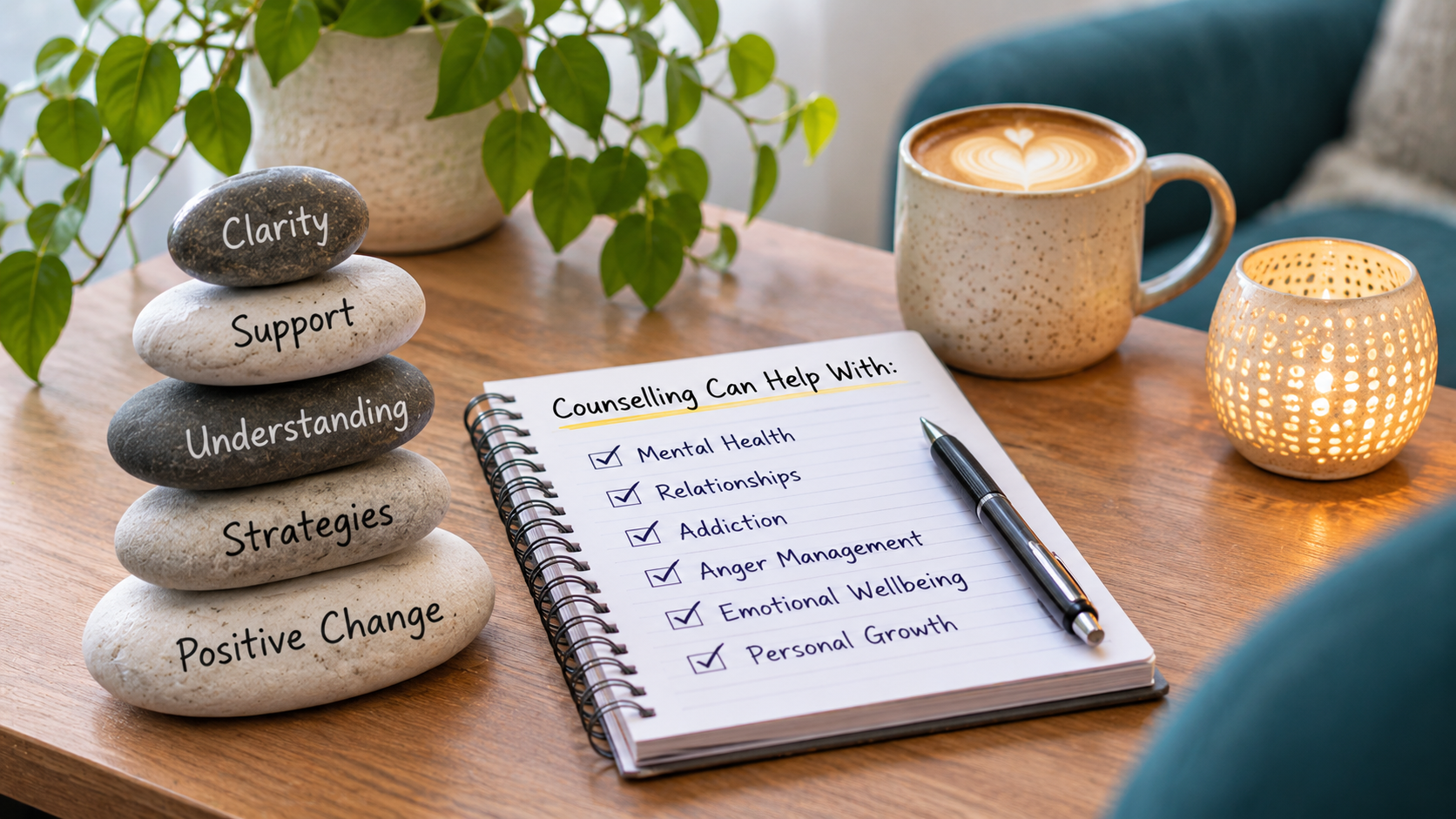
Mental health counselling at Advance Minds provides a supportive environment for exploring emotional difficulties and developing practical strategies for change.
Counselling may assist individuals with understanding self-care guilt, recognising people-pleasing behaviours, strengthening personal boundaries and developing healthier coping strategies.
Support may also include exploring anxiety, emotional exhaustion, low self-esteem, relationship stress and experiences that influence current behaviour.
The aim is to help individuals establish a more sustainable balance between personal wellbeing and everyday responsibilities.
Mental Health Counselling in Bankstown and Across Australia
Advance Minds offers face-to-face mental health counselling in Bankstown, Sydney, alongside online counselling across Australia.
Whether you are experiencing emotional exhaustion, difficulties establishing boundaries or persistent guilt about prioritising yourself, professional counselling can help you explore these challenges and identify practical opportunities for change.
Frequently Asked Questions
Why do I feel guilty when I relax?
Feelings of guilt may arise from learned expectations, excessive responsibility, perfectionism or beliefs connecting self-worth with productivity.
Is self-care selfish?
No. Reasonable self-care supports personal wellbeing while allowing individuals to maintain appropriate responsibilities.
Can people-pleasing cause emotional exhaustion?
Yes. Consistently prioritising other people's needs while neglecting your own may contribute to stress and emotional exhaustion.
How can I establish boundaries without feeling guilty?
Begin with realistic boundaries, communicate respectfully and recognise that emotional discomfort may decrease with practice.
Can counselling help with self-care guilt?
Counselling may help individuals understand underlying beliefs, develop healthier boundaries and strengthen emotional awareness.
Can anxiety make it difficult to relax?
Yes. Anxiety can contribute to persistent worrying, physical tension and difficulties disengaging from responsibilities.
Is online mental health counselling available?
Yes. Advance Minds offers online counselling across Australia alongside face-to-face appointments in Bankstown.
Prioritise Your Emotional Wellbeing
Taking care of yourself is an important part of maintaining healthier relationships, managing everyday responsibilities and supporting long-term emotional wellbeing.
Professional counselling can help you understand your needs, develop healthier boundaries and create a more sustainable balance in your life.
Click the Book Now button on our website to book your appointment with Advance Minds.


Advance Minds Blog
A safe space to explore subjects within the community such as mental health, substance abuse and personal identity.
Our safe space also provides the opportunity for real individuals to express their hardships and success through writing.
Are you in crisis?
- In an emergency, call 000
- Lifeline 13 11 14
- 1800RESPECT 1800 737 732
- Beyond Blue 1300 224 636
- Suicide Call Back Service 1300 659 467