

What Is Counselling? Understanding How Professional Counselling Can Help You Improve Your Life
Discover the benefits of counselling, what happens during a counselling session and how professional support can improve mental health, relationships, emotional wellbeing and personal growth.
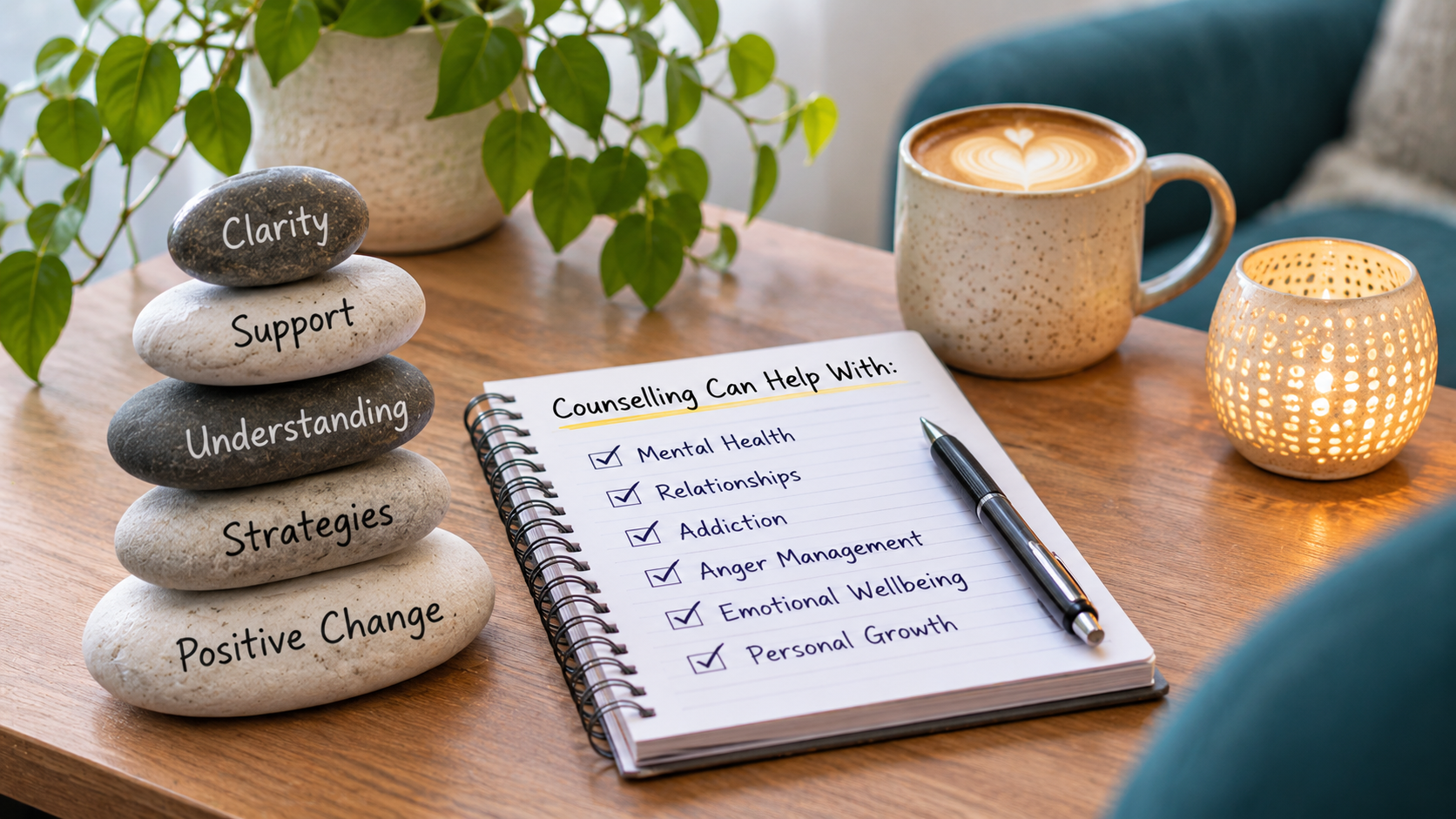
Life can present challenges that are difficult to understand, manage or overcome independently. Whether you are experiencing anxiety, depression, relationship difficulties, addiction, grief, anger or emotional exhaustion, professional counselling can provide an opportunity to better understand your circumstances and develop practical strategies for meaningful change.
Many people have heard about counselling but are uncertain about what it involves, how it works or whether it could benefit them.
At Advance Minds Counselling & Mental Health Services in Bankstown, Sydney, we provide professional counselling for individuals and couples seeking support with mental health, relationships, addiction, emotional wellbeing and personal development.
What Is Counselling?
Counselling is a professional therapeutic process that involves working with a qualified counsellor to explore personal difficulties, emotional experiences, thoughts, behaviours and relationships.
It provides a supportive, respectful and confidential environment where individuals can discuss their concerns without unnecessary judgement.
Counselling is not simply about talking about your problems. It involves developing greater self-awareness, identifying unhelpful patterns, understanding emotional responses and establishing practical strategies that support positive change.
A professional counsellor works collaboratively with clients to identify their needs, establish realistic goals and develop an individualised approach to their circumstances.
What Is the Purpose of Counselling?
The purpose of counselling is to support individuals in understanding themselves, managing personal challenges and developing healthier ways of responding to life's difficulties.
Counselling may help individuals:
- Understand their thoughts, emotions and behaviours.
- Develop healthier coping strategies.
- Improve communication and relationships.
- Manage anxiety, depression and stress.
- Establish healthy personal boundaries.
- Develop emotional regulation skills.
- Address addictive and compulsive behaviours.
- Process difficult life experiences.
- Improve self-esteem and confidence.
- Strengthen personal accountability.
- Make more informed decisions.
- Develop realistic goals for personal growth.
The purpose of counselling may differ between individuals depending on their circumstances, experiences and personal objectives.
Who Can Benefit From Counselling?
Counselling is not exclusively for people experiencing severe mental health difficulties or personal crises.
Individuals from different backgrounds and circumstances may benefit from professional support.
You may consider counselling if you are experiencing persistent stress, difficulties managing emotions, relationship conflict, addiction, uncertainty about your future or challenges adjusting to significant life changes.
Some individuals attend counselling because they recognise recurring behavioural patterns that are affecting their relationships or emotional wellbeing.
Others seek counselling to develop greater self-awareness, improve communication or better understand their personal needs.
You do not need to wait until your circumstances become overwhelming before seeking professional support.
Is Counselling Just Talking About Your Problems?
One of the most common misconceptions about counselling is that it simply involves talking while someone listens.
Although listening is an important component of the therapeutic relationship, professional counselling involves considerably more.
A counsellor may help you recognise connections between your thoughts, emotions, experiences and behaviours.
For example, someone experiencing recurring relationship conflict may initially believe that communication is their only difficulty. Through counselling, they may begin recognising underlying insecurities, unresolved experiences, emotional triggers or difficulties establishing boundaries.
Understanding these factors can help individuals develop more effective strategies for addressing the problem.
Counselling encourages individuals to move beyond recognising difficulties and begin working towards practical solutions.
What Is the Difference Between Counselling and Talking to a Friend?
Friends and family members can provide valuable emotional support. However, professional counselling offers a different type of assistance.
A qualified counsellor uses professional knowledge, therapeutic techniques, ethical responsibilities and structured approaches to help individuals explore their concerns.
Friends may provide advice based on their own experiences, beliefs or emotional involvement in a situation.
A counsellor aims to help clients understand their circumstances, consider different perspectives and develop solutions that reflect their individual needs and values.
Counselling also provides professional confidentiality, subject to applicable legal and ethical limitations.
Both personal relationships and professional counselling can play valuable roles in supporting emotional wellbeing.
What Happens During Your First Counselling Session?
Attending counselling for the first time can feel unfamiliar, particularly if you have never discussed your personal difficulties with a professional.
At Advance Minds, your first counselling appointment provides an opportunity to become comfortable with the therapeutic environment and discuss your reasons for seeking support.
Your counsellor may explore:
- Your current concerns and challenges.
- Relevant personal and family background.
- Your emotional wellbeing.
- Relationship or behavioural difficulties.
- Previous experiences that may influence your circumstances.
- Existing coping strategies.
- Your expectations of counselling.
- Your personal goals and desired outcomes.
You do not need to prepare a detailed explanation of everything you are experiencing.
Your counsellor can help guide the conversation and identify appropriate areas to explore.
The first appointment also provides an opportunity to ask questions about confidentiality, therapeutic approaches and the counselling process.
Understanding the Therapeutic Relationship
The relationship between a counsellor and client is an important component of effective counselling.
A professional therapeutic relationship is built on trust, respect, empathy, appropriate boundaries and honest communication.
Clients should feel comfortable expressing their concerns while understanding that counselling may sometimes involve discussing difficult experiences or challenging unhelpful behaviours.
At Advance Minds, our counselling approach combines compassion with practical guidance and personal accountability.
We recognise that meaningful change often involves understanding uncomfortable emotions, examining existing behaviours and developing healthier responses.
The objective is to support clients in developing greater independence and confidence in managing their own circumstances.
Different Types of Counselling
Counselling can address a wide range of personal, emotional, behavioural and relationship concerns.
Mental Health Counselling
Mental health counselling supports individuals experiencing emotional and psychological difficulties that may affect their everyday functioning.
Common areas of support include anxiety, depression, stress, emotional exhaustion, grief, trauma-related difficulties, low self-esteem and emotional regulation.
Counselling may help individuals understand their experiences, recognise unhelpful thinking patterns and develop healthier coping strategies.
Marriage and Couples Counselling
Marriage and couples counselling helps partners explore relationship difficulties and develop healthier ways of communicating and resolving conflict.
Common concerns include communication breakdown, recurring arguments, infidelity, trust issues, emotional disconnection, intimacy difficulties and disagreements about family responsibilities.
Couples counselling may help partners understand each other's perspectives, recognise unhealthy relationship patterns and establish realistic goals when joint counselling is safe and appropriate.
Drug and Alcohol Addiction Counselling
Drug and alcohol addiction counselling supports individuals experiencing difficulties controlling substance use.
Counselling may address concerns involving alcohol, cocaine, methamphetamine, cannabis, heroin, prescription medications and other substances.
Addiction counselling can help individuals understand personal triggers, develop relapse prevention strategies, strengthen accountability and establish healthier routines.
Individuals experiencing physical dependence may also require medical assessment and medically supervised withdrawal. Counselling complements appropriate medical treatment rather than replacing it.
Gambling Addiction Counselling
Gambling addiction counselling helps individuals understand the emotional, behavioural and financial factors contributing to harmful gambling.
Support may include identifying gambling triggers, challenging unrealistic beliefs, developing financial boundaries and establishing practical recovery strategies.
Where appropriate, independent financial counselling may also be recommended.
Pornography and Sex Addiction Counselling
Counselling can support individuals experiencing difficulties controlling pornography use or compulsive sexual behaviours.
The therapeutic process may involve identifying emotional triggers, understanding behavioural patterns, addressing relationship consequences and developing healthier coping strategies.
Pornography use or sexual activity alone does not establish an addiction. Professional assessment considers impaired control, distress and significant consequences.
Anger Management Counselling
Anger management counselling helps individuals understand their emotional triggers and develop healthier ways of responding to frustration, disappointment and conflict.
Counselling may focus on emotional regulation, communication, impulse control, personal accountability and recognising the consequences of aggressive or harmful behaviour.
The objective is not to eliminate anger but to help individuals manage and express emotions without causing harm.
Grief and Loss Counselling
Experiencing the death of a loved one, relationship breakdown or significant life change can create considerable emotional distress.
Grief counselling provides an opportunity to explore these experiences, understand emotional responses and develop ways of adjusting to changing circumstances.
There is no universal timeframe for grief, and counselling should respect each individual's experience.
What Therapeutic Approaches Are Used in Counselling?
Professional counsellors may use different therapeutic approaches depending on their training, the client's circumstances and the goals of counselling.
At Advance Minds, counselling may incorporate several approaches.
Cognitive Behavioural Therapy (CBT)
CBT explores the relationship between thoughts, emotions and behaviours.
It can help individuals recognise unhelpful thinking patterns and develop more constructive responses to everyday challenges.
Acceptance and Commitment Therapy (ACT)
ACT encourages individuals to develop healthier relationships with difficult thoughts and emotions while taking actions consistent with their personal values.
Person-Centred Counselling
Person-centred counselling emphasises empathy, respect and understanding.
It supports individuals in exploring their experiences and developing greater confidence in their ability to make personal decisions.
Motivational Interviewing
Motivational interviewing helps individuals explore uncertainty about change and strengthen their personal motivation.
It can be particularly helpful when addressing addiction and behavioural difficulties.
Solution-Focused Brief Therapy
Solution-focused approaches encourage individuals to identify existing strengths, establish achievable goals and develop practical solutions to current challenges.
Trauma-Informed Counselling
Trauma-informed counselling recognises that previous difficult experiences may influence emotional responses, relationships and behaviour.
It emphasises emotional safety, personal choice, appropriate boundaries and respect for the individual's circumstances.
Emotional Regulation and DBT-Informed Techniques
These techniques may help individuals recognise intense emotions, tolerate distress and develop healthier responses to challenging situations.
The therapeutic approach used during counselling should reflect the individual's needs rather than applying the same approach to every client.
Does Counselling Tell You What to Do?
Professional counselling is not about someone making decisions on your behalf.
A counsellor may provide guidance, therapeutic strategies, information and constructive feedback. However, clients remain responsible for their personal decisions.
For example, marriage counselling does not require a counsellor to decide whether a couple should remain together or separate.
Instead, counselling may help partners understand their circumstances, recognise relationship patterns, evaluate their options and make more informed decisions.
Developing personal independence and confidence is an important part of the counselling process.
Why Personal Accountability Matters in Counselling
Counselling provides a supportive environment, but support does not mean avoiding responsibility.
Meaningful personal growth may involve recognising how your own decisions, behaviours and communication affect your wellbeing and relationships.
Personal accountability involves understanding your behaviour, acknowledging its consequences and identifying opportunities for change.
This does not mean accepting responsibility for another person's harmful actions or blaming yourself for experiences outside your control.
At Advance Minds, we encourage clients to develop self-awareness while recognising the areas of their lives where they have the ability to make meaningful changes.
How Long Does Counselling Take to Work?
There is no fixed number of counselling sessions that guarantees a particular outcome.
The duration of counselling depends on several factors, including the complexity of the concerns, personal circumstances, therapeutic goals and individual engagement.
Some individuals may benefit from short-term counselling focused on a specific difficulty.
Others may require longer-term support when addressing addiction, longstanding relationship difficulties, trauma-related experiences or persistent emotional concerns.
Progress may also involve practising strategies between appointments, reflecting on personal experiences and gradually developing healthier routines.
Your counsellor can review your progress with you and adjust the therapeutic approach when appropriate.
Is Counselling Confidential?
Confidentiality is an important professional and ethical responsibility within counselling.
Clients should be able to discuss sensitive concerns with an understanding of how their personal information will be managed.
However, confidentiality has legal and ethical limitations. These may include circumstances involving serious safety concerns, mandatory reporting obligations or legal requirements.
Your counsellor should explain relevant confidentiality arrangements and limitations during the counselling process.
Can Counselling Be Uncomfortable?
Counselling can sometimes involve discussing difficult emotions, challenging beliefs or recognising behaviours that have contributed to personal difficulties.
These conversations may feel uncomfortable.
However, counselling should remain respectful, collaborative and responsive to your emotional safety.
You should be able to communicate concerns about the therapeutic process, ask questions and discuss whether the current approach is appropriate for your needs.
Developing healthier behaviours and emotional responses often requires patience, practice and realistic expectations.
Signs You May Benefit From Professional Counselling
It may be helpful to consider counselling if you notice:
- Persistent anxiety or excessive worrying.
- Difficulty managing anger or frustration.
- Recurring relationship arguments.
- Emotional exhaustion or burnout.
- Loss of motivation or enjoyment.
- Difficulties controlling alcohol or drug use.
- Harmful gambling or compulsive behaviours.
- Persistent feelings of loneliness.
- Difficulty establishing personal boundaries.
- Unresolved grief or emotional pain.
- Low self-esteem or lack of confidence.
- Difficulty adjusting to major life changes.
- Repeated patterns of unhealthy behaviour.
Seeking professional support early may help you better understand these experiences and identify appropriate strategies before difficulties become more disruptive.
The Benefits of Professional Counselling
Counselling may support improvements across different areas of life.
Potential benefits include greater emotional awareness, improved communication, healthier relationships, more effective coping strategies and increased confidence in decision-making.
Individuals may also develop a better understanding of their personal triggers, values, needs and behavioural patterns.
Counselling can provide practical tools that remain useful beyond the therapeutic environment.
However, individual outcomes vary, and counselling does not guarantee a particular result.
Online Counselling Across Australia
Professional counselling is not limited to face-to-face appointments.
Advance Minds offers online counselling for suitable individuals and couples across Australia.
Online counselling may be particularly beneficial for people with demanding work schedules, family responsibilities, transport difficulties or limited access to local counselling services.
Online appointments can support mental health counselling, addiction counselling, relationship counselling, anger management and other personal concerns.
A suitable device, reliable internet connection and private environment can help support the quality of online appointments.
Online counselling is not a substitute for emergency assistance or medical treatment when these services are required.
Professional Counselling in Bankstown, Sydney
Advance Minds Counselling & Mental Health Services provides face-to-face counselling in Bankstown, Sydney, supporting individuals and couples throughout South-West Sydney and surrounding communities.
Our counselling services are available to individuals from Bankstown, Punchbowl, Greenacre, Yagoona, Revesby, Padstow, Canterbury, Liverpool, Hurstville, Parramatta and other areas across Greater Sydney.
Through online counselling, we also support suitable clients across New South Wales, Victoria, Queensland, Western Australia, South Australia, Tasmania, the Northern Territory and the Australian Capital Territory.
Our approach focuses on professional support, compassionate communication, practical strategies and meaningful personal growth.
Frequently Asked Questions About Counselling
What is counselling in simple terms?
Counselling is a professional therapeutic process that helps individuals understand their thoughts, emotions, behaviours and personal difficulties while developing healthier ways of managing them.
Do I need to have a mental health condition to attend counselling?
No. Counselling can support individuals experiencing everyday stress, relationship difficulties, personal challenges or a desire for greater self-awareness.
What happens during a counselling appointment?
A counselling appointment may involve discussing your concerns, exploring relevant experiences, identifying behavioural patterns and developing practical strategies that support your therapeutic goals.
Is counselling confidential in Australia?
Professional counselling involves confidentiality obligations, subject to applicable legal and ethical limitations. Your counsellor should explain these arrangements.
Do I need a GP referral to book counselling?
You can generally book a private counselling appointment directly with Advance Minds without obtaining a GP referral.
Can counselling help with anxiety and depression?
Counselling may help individuals understand emotional difficulties, develop coping strategies and address unhelpful thinking patterns. Some individuals may also require medical assessment or additional specialist treatment.
Can counselling help save a marriage?
Marriage counselling may help couples improve communication, address relationship difficulties and explore opportunities for rebuilding their connection. However, counselling cannot guarantee reconciliation or a particular relationship outcome.
Can counselling help with addiction?
Yes. Addiction counselling can support individuals in understanding addictive behaviours, identifying triggers, developing relapse prevention strategies and working towards recovery.
How many counselling sessions will I need?
The number of sessions depends on your circumstances, therapeutic goals and progress. Your counsellor can discuss an appropriate approach with you.
Is online counselling effective?
Online counselling can be beneficial for many individuals and couples when it is appropriate for their needs and circumstances.
Is counselling suitable during a mental health emergency?
Routine counselling is not an emergency response service. If you or someone else is in immediate danger, call 000. For crisis support in Australia, Lifeline is available on 13 11 14.
Where can I find professional counselling in Sydney?
Advance Minds Counselling & Mental Health Services provides professional face-to-face counselling in Bankstown, Sydney, alongside online counselling across Australia.
Take the First Step Towards Better Mental Health and Emotional Wellbeing
Counselling provides an opportunity to better understand yourself, address personal difficulties, develop healthier relationships and establish practical strategies for meaningful change.
Whether you are experiencing mental health challenges, relationship difficulties, addiction, anger, grief or emotional exhaustion, professional counselling can help you explore your circumstances and identify a constructive way forward.
At Advance Minds Counselling & Mental Health Services, we believe that meaningful personal growth involves self-awareness, emotional understanding, personal accountability and consistent effort.
You do not need to wait for a crisis before prioritising your mental health and emotional wellbeing.
Click the Book Now button on our website to book your appointment with Advance Minds.



Advance Minds Blog
A safe space to explore subjects within the community such as mental health, substance abuse and personal identity.
Our safe space also provides the opportunity for real individuals to express their hardships and success through writing.
Are you in crisis?
- In an emergency, call 000
- Lifeline 13 11 14
- 1800RESPECT 1800 737 732
- Beyond Blue 1300 224 636
- Suicide Call Back Service 1300 659 467