

Using Pornography to Escape Emotional Discomfort: Understanding the Connection Between Stress and Compulsive Sexual Behaviour
Recognising emotional triggers, understanding unhealthy coping mechanisms and developing healthier behaviours through professional pornography and sex addiction counselling.

Pornography use can become problematic when individuals repeatedly rely on it to manage uncomfortable emotions, escape responsibilities or obtain temporary relief from personal difficulties.
While pornography use does not automatically indicate addiction, some individuals experience difficulties controlling their behaviour despite recognizing its negative consequences.
Understanding the emotional reasons behind compulsive pornography use can be an important step towards developing healthier coping strategies.
At Advance Minds Counselling & Mental Health Services in Bankstown, Sydney, pornography and sex addiction counselling supports individuals experiencing difficulties with compulsive sexual behaviors, emotional regulation and relationship wellbeing.
Understanding Pornography as an Emotional Coping Mechanism
People develop different ways of responding to stress, loneliness, boredom and emotional discomfort.
Some individuals may discover that pornography provides temporary distraction or relief from difficult experiences.
Over time, this behaviour may become increasingly associated with emotional regulation.
Rather than addressing the underlying difficulty, the individual may repeatedly return to pornography whenever uncomfortable feelings arise.
This can create a pattern in which temporary relief reinforces continued avoidance.
The Difference Between Pornography Use and Compulsive Behavior
Pornography use alone does not establish the presence of an addiction or mental health condition.
Concerns may arise when an individual experiences persistent difficulties controlling their behaviour and continues despite significant negative consequences.
Compulsive sexual behaviour may interfere with relationships, employment, personal responsibilities and emotional wellbeing.
Distress arising solely from moral or religious disapproval is not sufficient to establish compulsive sexual behaviour disorder.
Professional counselling can help individuals explore their circumstances without unnecessary judgement or assumptions.
Why Stress Can Trigger Compulsive Pornography Use
Stress can influence emotional regulation and decision-making.
When someone feels overwhelmed by work, financial difficulties or relationship concerns, they may seek immediate relief.
Pornography may become associated with temporarily reducing emotional tension or distracting attention from stressful circumstances.
However, the underlying stress often remains unresolved.
Repeated reliance on pornography may prevent individuals from developing more sustainable coping strategies.
The Connection Between Loneliness and Pornography Use
Loneliness can contribute to a desire for connection, comfort and emotional reassurance.
Some individuals may turn to pornography during periods of isolation or emotional disconnection.
Although the behaviour may temporarily distract from loneliness, it does not necessarily address the underlying need for meaningful connection.
Developing healthier relationships, communication skills and social support may be important components of recovery.
How Boredom Can Reinforce Compulsive Behavior
Boredom can become a trigger when individuals have limited meaningful activities or difficulty tolerating periods without stimulation.
Repeated pornography use during unstructured time may gradually become habitual.
Certain environments, times of day or personal routines can become associated with the behaviour.
Recognizing these associations can help individuals develop alternative routines and reduce automatic responses to boredom.
Understanding the Emotional Avoidance Cycle
Emotional avoidance occurs when someone repeatedly attempts to escape uncomfortable thoughts or feelings rather than addressing them.
A person may experience stress, turn to pornography for temporary relief and later experience guilt or frustration about their behaviour.
These additional uncomfortable emotions may then contribute to further pornography use.
Understanding this cycle can help individuals identify opportunities to interrupt it.
The objective is to develop healthier responses to emotional discomfort rather than relying on temporary distraction.
Recognizing Signs of Problematic Pornography Use
Potential warning signs include:
- Repeated unsuccessful attempts to reduce pornography use.
- Spending more time viewing pornography than intended.
- Neglecting personal or professional responsibilities.
- Using pornography primarily to escape emotional difficulties.
- Continuing despite significant relationship consequences.
- Experiencing persistent difficulties controlling sexual behaviour.
- Avoiding meaningful activities in favor of pornography.
- Experiencing reduced satisfaction with everyday routines.
These signs do not automatically establish a diagnosis but may indicate that professional assessment would be helpful.
The Impact of Compulsive Pornography Use on Relationships
Compulsive pornography use may affect relationships in different ways.
Some partners experience emotional disconnection, reduced trust or concerns about intimacy.
Differences in expectations regarding pornography can also contribute to relationship conflict.
Healthy communication involves discussing personal values, relationship agreements and emotional needs without intimidation or coercion.
Where compulsive behaviour is present, meaningful change may require individual accountability and appropriate professional support.
Addressing Shame Without Avoiding Responsibility
Individuals experiencing difficulties with pornography may feel embarrassed or reluctant to discuss their behaviour.
Excessive shame can discourage help-seeking and contribute to secrecy.
Counselling provides an opportunity to explore behaviour without reducing an individual's identity to their difficulties.
A non-judgmental approach does not mean ignoring harmful consequences.
It involves encouraging accountability while helping individuals develop realistic and constructive strategies for change.
Learning to Identify Emotional Triggers
Recognizing emotional triggers can help individuals better understand when compulsive behaviors are likely to occur.
Keeping a personal journal may assist with identifying patterns involving stress, loneliness, boredom, relationship conflict or emotional exhaustion.
Individuals may benefit from reflecting on what happened before an urge, what they were feeling and what they hoped the behaviour would provide.
This information can help develop a more personalized recovery plan.
Developing Healthier Coping Strategies
Recovery may involve learning alternative ways of responding to emotional discomfort.
Helpful strategies may include:
- Establishing consistent daily routines.
- Developing meaningful recreational interests.
- Improving sleep and physical wellbeing.
- Maintaining supportive social connections.
- Practicing emotional awareness.
- Reducing exposure to identified triggers.
- Establishing appropriate digital boundaries.
- Seeking professional counselling.
The most suitable strategies will depend on the individual's circumstances and the factors contributing to their behaviour.
Understanding the Importance of Emotional Regulation
Emotional regulation involves recognizing, understanding and responding to emotions in constructive ways.
Individuals who rely on pornography to manage emotional discomfort may benefit from learning to tolerate difficult feelings without immediately seeking distraction.
Counselling can help individuals explore unhelpful thinking patterns, strengthen emotional awareness and develop practical responses to stress.
These skills may also support improvements in relationships, communication and everyday functioning.
Developing a Relapse Prevention Plan
A relapse prevention plan can help individuals anticipate situations that may increase vulnerability to compulsive behaviour.
This may involve identifying high-risk environments, recognizing emotional warning signs and establishing alternative responses.
Recovery goals should be realistic and individually appropriate.
If difficulties occur, reviewing the circumstances surrounding them can provide useful information for adjusting the recovery plan.
The focus should remain on meaningful behavioral change rather than punishment or excessive self-criticism.
How Pornography and Sex Addiction Counselling Can Help
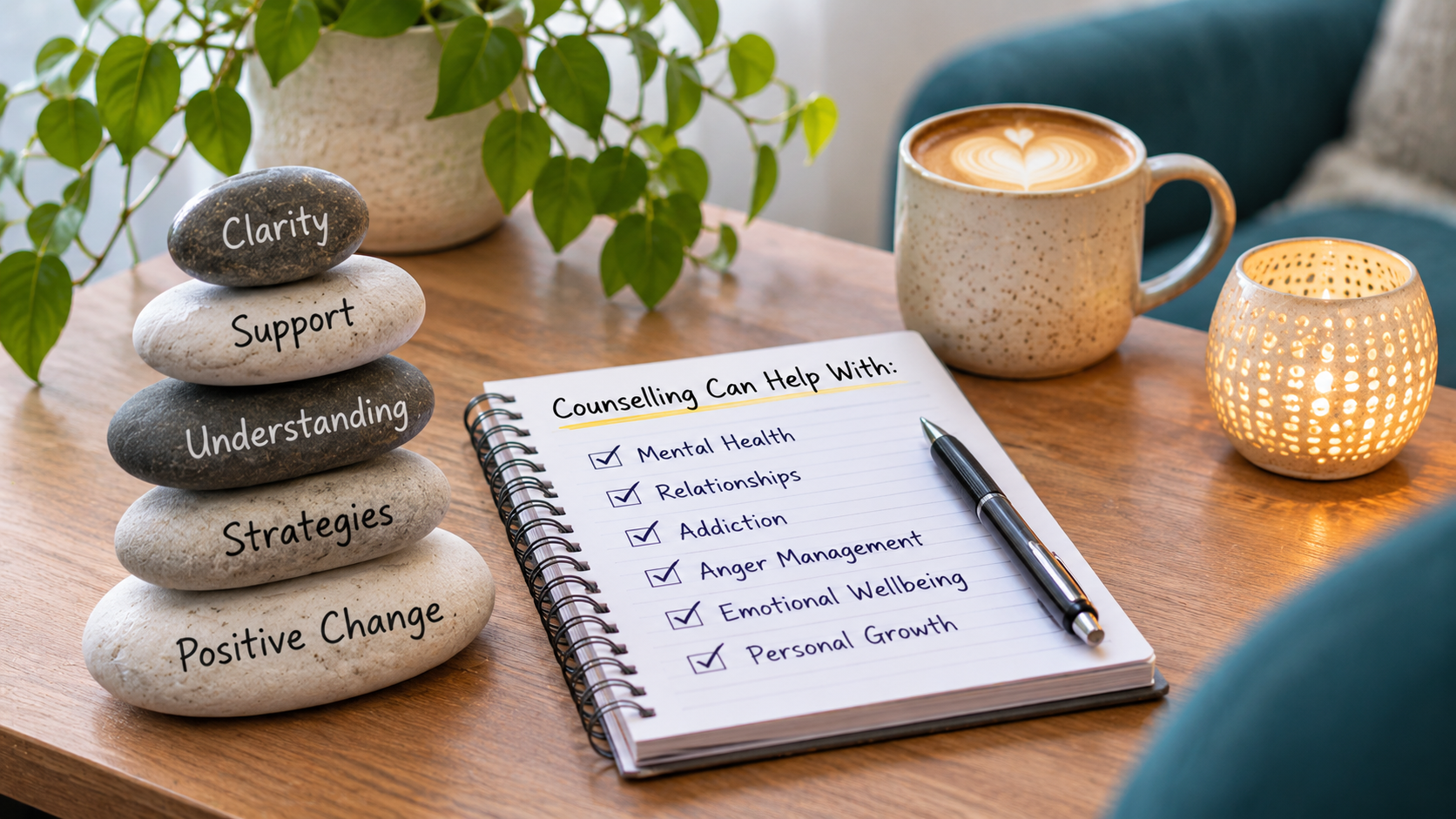
Advance Minds provides counselling for individuals experiencing concerns about pornography use and compulsive sexual behaviour.
Counselling may assist with:
- Understanding behavioral patterns.
- Identifying emotional triggers.
- Developing healthier coping mechanisms.
- Strengthening emotional regulation.
- Addressing relationship difficulties.
- Exploring underlying stress and anxiety.
- Developing personal accountability.
- Establishing individual recovery goals.
Where additional specialist assessment or treatment is required, appropriate referrals may be recommended.
Pornography Addiction Counselling in Bankstown, Sydney
Advance Minds offers face-to-face counselling in Bankstown, Sydney, alongside online counselling across Australia.
Professional counselling can provide an opportunity to discuss sensitive concerns in a respectful environment, understand behavioral patterns and develop strategies that support healthier emotional and relationship functioning.
Frequently Asked Questions
Can stress contribute to compulsive pornography use?
Yes. Some individuals develop a pattern of using pornography to obtain temporary relief from stress or emotional discomfort.
Does watching pornography mean someone has an addiction?
No. Concerns depend on factors such as impaired control, significant consequences and persistent difficulties managing behaviour.
Can pornography become an unhealthy coping mechanism?
Yes. Repeatedly relying on pornography to avoid emotional difficulties may interfere with developing healthier coping strategies.
Can counselling help with compulsive sexual behaviour?
Counselling may assist individuals in understanding triggers, developing emotional regulation skills and establishing appropriate recovery goals.
Can pornography-related difficulties affect a marriage?
Yes. Compulsive behaviour, relationship disagreements and breaches of agreed boundaries may contribute to emotional disconnection and conflict.
Is pornography addiction counselling confidential?
Counselling is conducted with professional confidentiality obligations, subject to applicable legal and ethical limitations.
Is online sex addiction counselling available?
Yes. Advance Minds provides online counselling for suitable individuals across Australia.
Develop Healthier Emotional and Behavioral Patterns
Understanding why you repeatedly turn to pornography can help you identify underlying emotional difficulties and develop more sustainable ways of managing them.
Professional counselling can support greater self-awareness, personal accountability and meaningful behavioral change.
Click the Book Now button on our website to book your appointment with Advance Minds.


Advance Minds Blog
A safe space to explore subjects within the community such as mental health, substance abuse and personal identity.
Our safe space also provides the opportunity for real individuals to express their hardships and success through writing.
Are you in crisis?
- In an emergency, call 000
- Lifeline 13 11 14
- 1800RESPECT 1800 737 732
- Beyond Blue 1300 224 636
- Suicide Call Back Service 1300 659 467