

Who Am I Now? Finding Yourself After the Children Leave Home
An adult child moving out can be healthy and still leave grief, uncertainty and an unfamiliar amount of space. This transition can be an opportunity to rebuild an identity that includes motherhood without being limited to it.
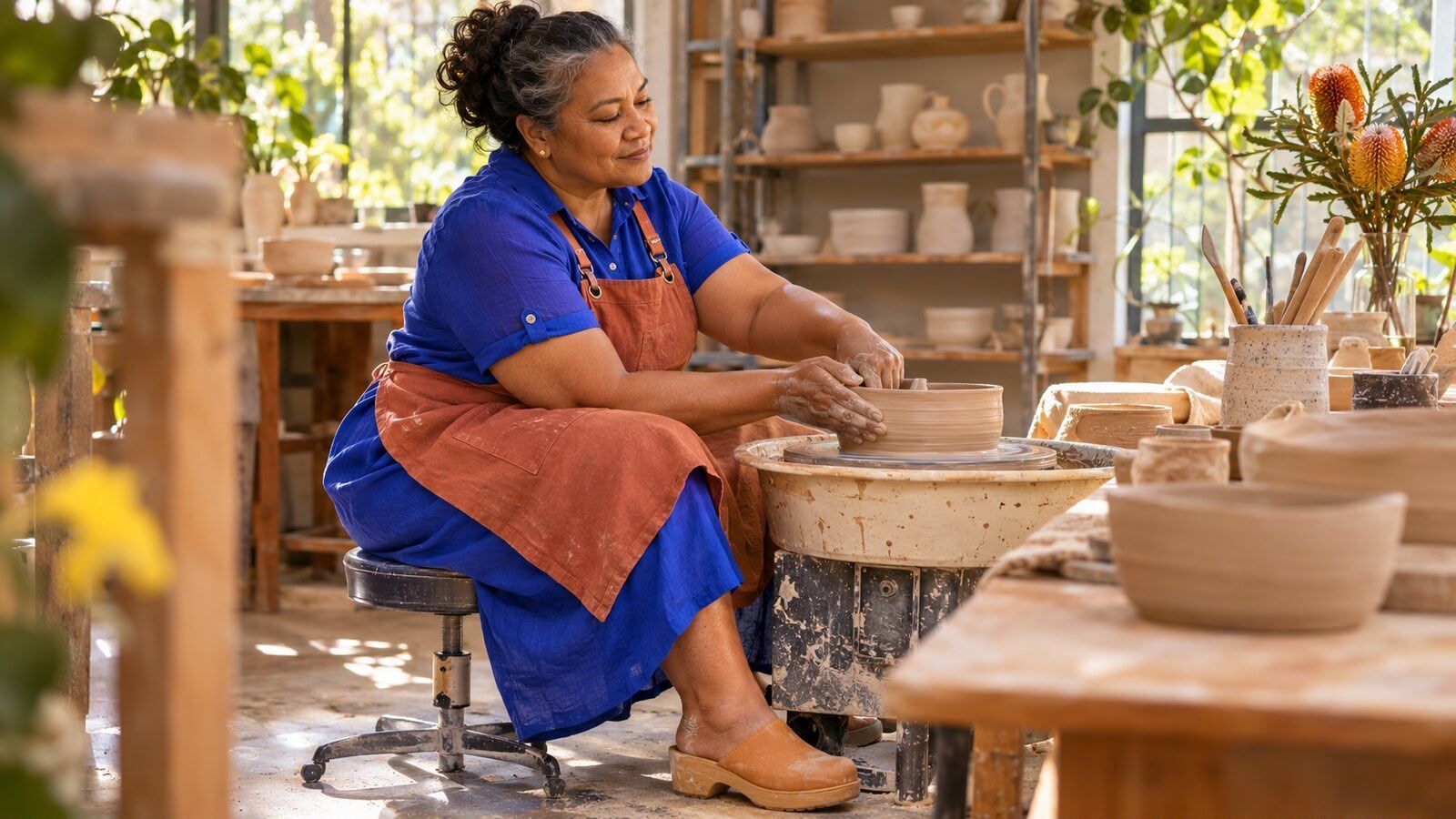
When an adult child leaves home, other people may assume you are celebrating.
They may talk about having the house back, travelling or enjoying fewer responsibilities. You may feel proud of your child and still experience sadness, anxiety or a strange loss of direction.
Those feelings do not mean that you wanted your child to remain dependent. A positive transition can still involve grief.
Why the change can feel so large
Parenting shapes the structure of everyday life.
For years, your attention may have been organised around:
* Meals
* School and work schedules
* Transport
* Appointments
* Emotional support
* Household planning
* Celebrations and traditions
* Knowing who is coming home and when
* Being needed in predictable ways
When a child moves out, the practical workload changes. So does the role through which you may have understood yourself.
The question is not only, “What do I do with the spare room?”
It may be, “Who am I when nobody needs me in the same way?”
Pride and grief can exist together
You can be pleased that your child is becoming independent and miss their presence.
You can enjoy a quieter home and dislike how quiet it feels.
You can want them to build their own life and feel hurt when they do not call.
Mixed feelings are not hypocrisy. They reflect the complexity of a major family transition.
Trying to force yourself to feel only grateful can add shame to an already difficult adjustment.
Notice what you have actually lost
The loss may involve more than your child’s physical presence.
You may be grieving:
* A familiar routine
* Daily conversation
* A strong sense of purpose
* Your role as the person who solves problems
* Family meals
* A stage of life that has ended
* The expectation that the family home would always feel the same
* Contact with other parents and school communities
* A version of yourself associated with active parenting
Naming these losses can make the experience more understandable.
Let the relationship change
An adult child still needs a parent, but the relationship usually requires new boundaries.
They may want advice sometimes and independence at other times. They may communicate less frequently than you expected. They may organise their home, relationships or money differently from the way you would.
Questions worth considering include:
* How often do we both want contact?
* Do I offer advice before being asked?
* Am I using practical help to remain involved?
* Can I express that I miss them without making them responsible for my wellbeing?
* Am I respecting their privacy?
* What kind of relationship do we want as adults?
A new relationship can develop, but it may not look like the one you had while sharing a home.
Rebuilding identity does not erase motherhood
Some women worry that focusing on themselves means becoming less caring.
Your identity can expand without rejecting your family.
You might begin by asking:
* What interested me before family responsibilities became so large?
* What have I postponed?
* Which friendships have I neglected?
* What gives me energy rather than only using it?
* What would I like to learn?
* What kind of work, volunteering or community involvement feels meaningful?
* What does my body need at this stage of life?
* Which values do I want the next decade to reflect?
Do not pressure yourself to discover a dramatic new purpose immediately.
Identity often returns through ordinary experiments rather than one life-changing decision.
Start with small experiments
You do not need to sell the house, change careers or book a six-month trip in the first weeks.
Try smaller steps:
* Attend one class
* Contact an old friend
* Join a walking or community group
* Return to a creative activity
* Volunteer occasionally
* Rearrange one part of the home
* Plan a regular activity with your partner
* Spend time somewhere that is not connected with caregiving
* Explore study or work options without committing yet
Notice what leaves you feeling more present, curious or connected.
The effect on a relationship
When children leave, couples sometimes discover that the parenting partnership has been carrying most of their connection.
You may have more time together while feeling uncertain about what to do with it.
This can reveal:
* Different ideas about the next stage
* Longstanding resentment
* Unequal household responsibilities
* Reduced emotional or physical intimacy
* Different retirement plans
* One person adjusting faster than the other
* A need to rediscover shared interests
This does not automatically mean the relationship is failing. It means the structure around it has changed.
Try discussing what each of you hopes for, rather than assuming you should both experience the transition in the same way.
When the home is not completely empty
The transition is not always permanent or straightforward.
Adult children may return because of housing costs, study, separation, illness or financial difficulty. Others may remain heavily dependent after moving out.
Clear discussions about money, privacy, household expectations and the purpose of support can protect the relationship.
Supporting an adult child does not require abandoning every boundary. Nor does setting a boundary mean that you no longer care.
When should you seek support?
Consider counselling when the transition is accompanied by:
* Persistent low mood
* Severe loneliness
* Loss of interest in ordinary activities
* Significant sleep or appetite changes
* Constant anxiety about the adult child
* Repeated conflict with a partner
* Difficulty functioning at work or home
* A strong sense that life has lost all meaning
* Other major transitions such as menopause, retirement, redundancy, separation or bereavement
A GP can assess possible depression, anxiety, physical-health factors or menopause-related concerns where appropriate. Counselling does not replace medical assessment.
How women’s counselling may help
Counselling can provide an hour in which you are not expected to manage anybody else’s reaction.
The work may involve:
* Acknowledging grief
* Exploring identity outside active parenting
* Rebuilding confidence
* Adjusting boundaries with adult children
* Addressing relationship changes
* Reconnecting with neglected interests
* Understanding anxiety or low mood
* Making decisions at a pace that fits your circumstances
Advance Minds provides women’s counselling in Bankstown and online across Australia.
Your role as a mother continues, but it does not have to be the only source of meaning available to you.
If the house has become quieter and you are unsure who you are in the new space, contact Advance Minds or book an appointment to begin exploring what comes next.


Advance Minds Blog
A safe space to explore subjects within the community such as mental health, substance abuse and personal identity.
Our safe space also provides the opportunity for real individuals to express their hardships and success through writing.
Are you in crisis?
- In an emergency, call 000
- Lifeline 13 11 14
- 1800RESPECT 1800 737 732
- Beyond Blue 1300 224 636
- Suicide Call Back Service 1300 659 467