

When One Partner Retires Before the Other: Protecting Your Relationship Through the Change
Different retirement dates can change expectations about time, housework and companionship. Honest conversations can help both partners feel considered.
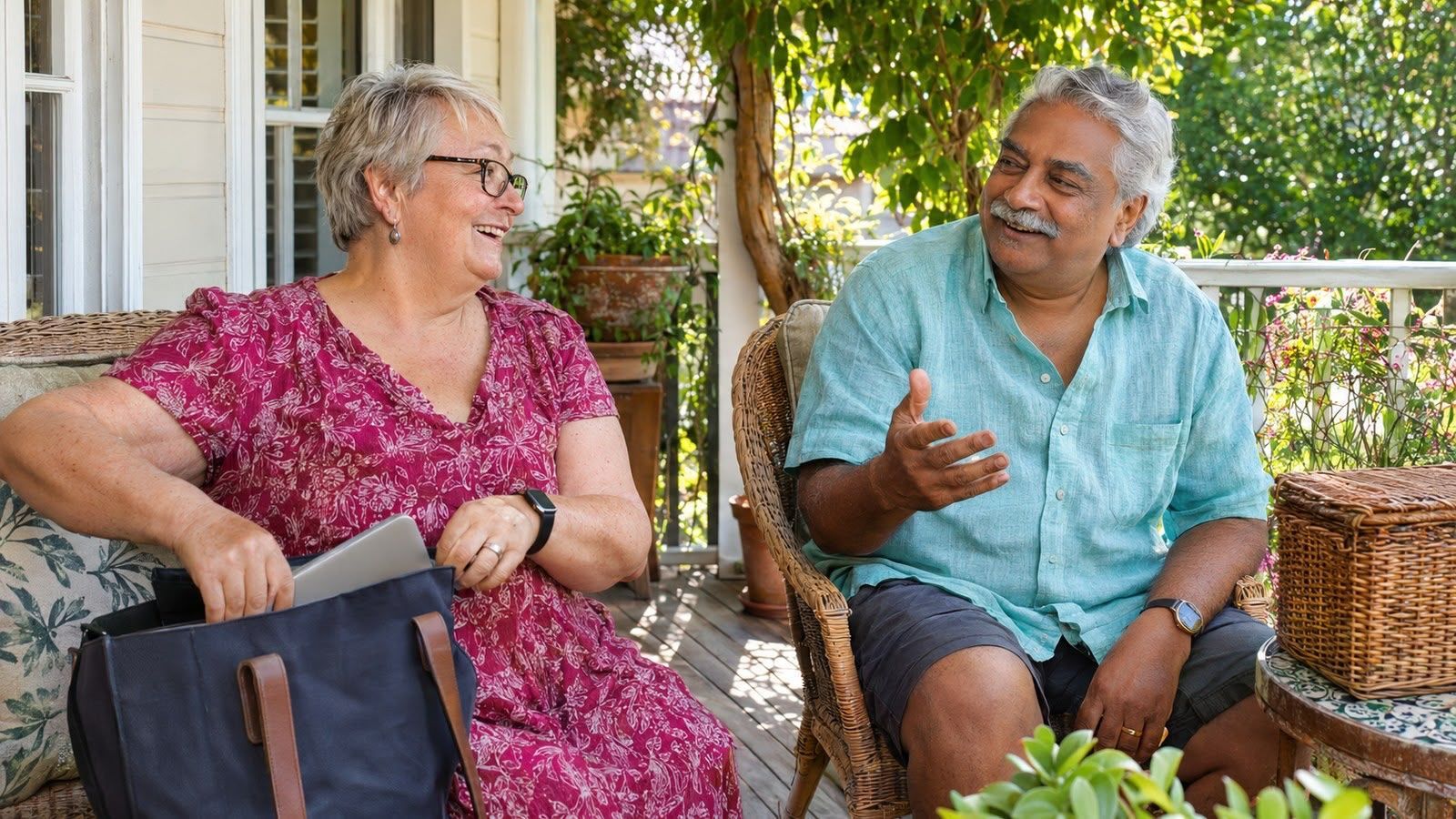
One partner is ready for slow mornings, travel and a less structured week. The other still has deadlines, early starts and work responsibilities. Although the relationship has not changed overnight, the daily rhythm may suddenly feel unfamiliar.
Retiring at different times does not have to create distance. It does require conversations that couples may never have needed before. The person at home may feel lonely or disappointed, while the working partner may feel pressured to provide company when they are exhausted.
Neither experience cancels out the other. The useful starting point is to understand what each person expected this stage of life to look like.
Discuss the ordinary Tuesday
Retirement conversations often focus on holidays and finances. Daily life needs attention too.
Ask each other to describe an ordinary weekday six months from now. What time do you get up? Who is home? When do you see friends? What happens when the working partner finishes for the day?
One person may imagine shared lunches and spontaneous outings. The other may picture uninterrupted working hours and quiet evenings. These differences are easier to discuss before either partner interprets disappointment as a lack of love.
Try asking:
* What are you most looking forward to?
* What do you worry you might lose?
* How much time together would feel comfortable?
* What do you want to keep doing independently?
* Which expectations have we assumed rather than agreed?
Listen before negotiating. A concern about loneliness may need connection and a wider social routine. A concern about personal space may need clearer boundaries around time.
Revisit household responsibilities
Being retired does not automatically mean becoming responsible for every household task. Continuing paid work does not automatically excuse someone from contributing at home.
Review what actually needs doing. Include shopping, cooking, cleaning, appointments, caring responsibilities and the planning that keeps a household running.
Discuss capacity as well as available hours. Health, fatigue and other commitments matter. Avoid treating one person’s contribution as less valuable because it does not bring in an income.
A practical agreement might be that the retired partner takes responsibility for weekday meals while both retain other tasks. Another couple might divide work according to preference. The arrangement needs to be chosen together and reviewed when circumstances change.
Give the working partner a transition
The person at home may have been waiting all afternoon for conversation. The working partner may need a short period to decompress before becoming available.
Agree on a realistic transition, with a clear return to connection. For example, someone might take twenty minutes to change, shower or walk, then sit down together.
The point is predictability. Without an agreement, a request for quiet can feel like rejection, and a request for company can feel like another demand.
Avoid allowing the transition to expand into an entire evening of disengagement. Ask whether the arrangement meets both needs and adjust it if one person remains consistently alone.
Build companionship beyond the relationship
A partner can provide love and support without becoming the only source of purpose, friendship or activity.
The newly retired person might explore volunteering, learning, community involvement, hobbies or renewed friendships. Start with something that interests them, rather than filling every empty hour to avoid uncomfortable feelings.
The working partner can show interest without taking responsibility for designing the other person’s life. Ask what they enjoyed during the day and which activities they would like to try again.
Retirement can also bring mixed emotions. Relief may sit alongside grief for colleagues, routine or a valued role. Allow those feelings to be discussed without insisting that this should be the happiest time of life.
Plan shared time deliberately
Different schedules can work better when both people know when they will reconnect.
Choose an arrangement that fits the working week. That might be breakfast together, a regular afternoon outing, a weekly meal or planning a trip within agreed resources.
Include affection and intimacy in the conversation without making either an obligation. More available time does not mean both partners will want the same amount or type of closeness.
Also protect independent time. Enjoying different activities can give a couple more to share when they return to each other.
Keep financial decisions in the right conversation
Changes in income can affect both practical options and a person’s sense of independence. Discuss spending expectations openly, including travel, gifts, family support and personal activities.
Use qualified financial advice for questions about superannuation, retirement income, tax or entitlements. Relationship counselling can help with the feelings and disagreements surrounding those decisions, but it does not replace specialist advice.
Try separating the practical question from the emotional one. “Can we afford this trip?” and “Do you still want adventures with me?” may both matter, but they need different answers.
Review the arrangement without blaming
Set a time to review how the new routine is working. Ask what feels easier, what remains difficult and whether either person has been quietly agreeing to something unsustainable.
An agreement made before retirement may need changing once you experience the reality. Adjustment is part of the process, rather than proof that you planned badly.
If disagreements keep returning, couples and marriage counselling can provide space to discuss expectations, resentment and connection. If there is intimidation, violence or fear, seek individual support rather than beginning with joint sessions.
Advance Minds offers appointments in Bankstown and online across Australia. Book an appointment to explore a next stage that respects both people.



Advance Minds Blog
A safe space to explore subjects within the community such as mental health, substance abuse and personal identity.
Our safe space also provides the opportunity for real individuals to express their hardships and success through writing.
Are you in crisis?
- In an emergency, call 000
- Lifeline 13 11 14
- 1800RESPECT 1800 737 732
- Beyond Blue 1300 224 636
- Suicide Call Back Service 1300 659 467