

Shuv Homsi: Using CBT Counselling to Challenge Catastrophic Thinking
How registered counsellor and male therapist Shuv Homsi supports men and women experiencing anxiety, overthinking and persistent negative thoughts across Sydney and Australia.
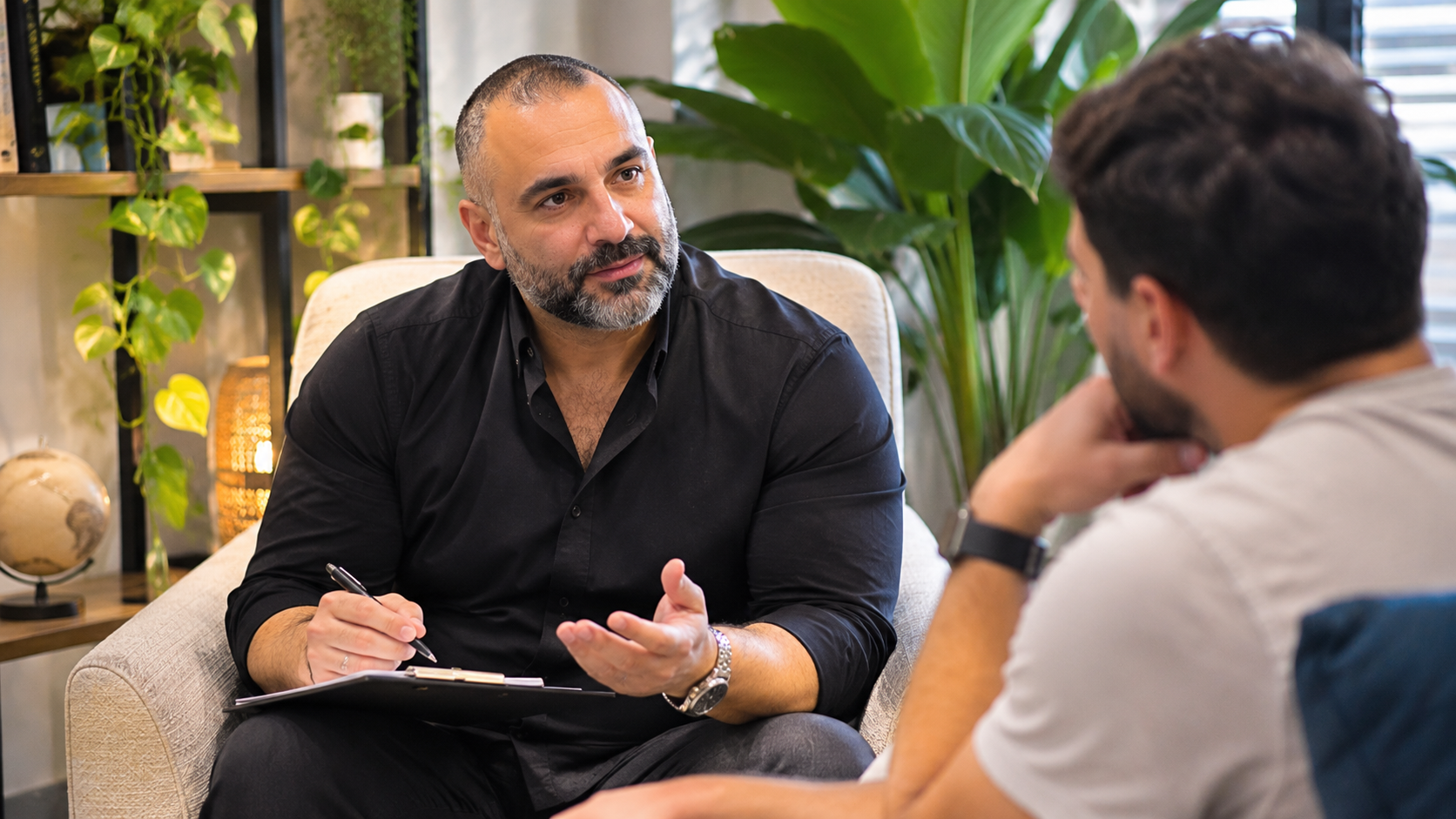
Do you frequently imagine the worst possible outcome when something unexpected happens?
A delayed response from your partner may lead you to believe your relationship is ending. A meeting with your employer may create fears of losing your job. A minor mistake may leave you convinced that everything is going wrong.
This pattern is commonly described as catastrophic thinking.
Shuv Homsi, a registered counsellor and male therapist at Advance Minds Counselling & Mental Health Services in Bankstown, Sydney, supports individuals experiencing anxiety, emotional distress and difficulties managing negative thinking patterns.
Through cognitive behavioral therapy techniques and practical counselling strategies, Shuv Homsi helps clients explore how their thoughts influence their emotions, relationships and everyday decisions.
What Is Catastrophic Thinking?
Catastrophic thinking involves anticipating extremely negative outcomes, often without sufficient evidence that those outcomes are likely.
Individuals may automatically focus on the most frightening interpretation of a situation while overlooking other possibilities.
For example, receiving an unexpected message from an employer may immediately trigger fears of dismissal, even when the message relates to a routine workplace matter.
Shuv Homsi uses CBT counselling techniques to help individuals recognize these thinking patterns and develop more balanced interpretations.
The objective is not to ignore genuine concerns but to distinguish realistic risks from assumptions influenced by anxiety.
Why Do People Develop Catastrophic Thinking Patterns?
Catastrophic thinking can develop through a combination of previous experiences, anxiety, learned behaviors and ongoing emotional stress.
Individuals who have experienced betrayal, trauma, unpredictable relationships or significant personal losses may become particularly sensitive to uncertainty.
Their minds may attempt to anticipate negative outcomes as a way of preparing for potential difficulties.
However, continually anticipating danger can contribute to emotional exhaustion and interfere with everyday functioning.
Through trauma-informed counselling, Shuv Homsi supports clients in exploring the experiences that may contribute to these patterns.
Recognizing the Signs of Catastrophic Thinking
Common signs may include:
- Frequently expecting the worst possible outcome.
- Repeatedly seeking reassurance from others.
- Struggling to tolerate uncertainty.
- Overanalyzing conversations and messages.
- Assuming minor mistakes will have serious consequences.
- Avoiding situations because of imagined outcomes.
- Experiencing difficulty sleeping due to persistent worrying.
- Making impulsive decisions based on fear.
Shuv Homsi works with clients to identify how these patterns affect their emotional wellbeing, relationships and decision-making.
How Catastrophic Thinking Can Affect Relationships
Relationship anxiety can become particularly challenging when individuals repeatedly interpret uncertainty as evidence of rejection or betrayal.
A partner being quiet, arriving home late or needing personal space may trigger assumptions that something is wrong.
These assumptions may contribute to repeated questioning, arguments or emotional withdrawal.
Although reassurance may provide temporary relief, constantly seeking reassurance can sometimes reinforce anxiety.
Shuv Homsi provides individual counselling and marriage and couples counselling to help clients recognize these patterns, improve communication and develop healthier emotional responses.
Where concerns involve genuine dishonesty or unsafe behavior, counselling should also acknowledge the reality of those circumstances rather than automatically treating concerns as irrational.
How CBT Counselling Works
Cognitive behavioral therapy explores the relationship between thoughts, emotions and behaviors.
Shuv Homsi incorporates CBT techniques into counselling to help clients identify automatic thoughts, examine the evidence supporting those thoughts and consider alternative explanations.
For example, someone may believe that making a mistake at work will inevitably result in losing their job.
Counselling may involve examining previous experiences, considering realistic consequences and identifying practical steps to address the situation.
This process can help individuals develop more flexible thinking rather than automatically accepting their most frightening interpretation.
Challenging Negative Thoughts Without Ignoring Reality
Positive thinking alone is not always sufficient to address anxiety.
Someone experiencing genuine financial difficulties, relationship problems or employment uncertainty may have legitimate reasons for concern.
Shuv Homsi encourages clients to develop balanced thinking rather than replacing every negative thought with an unrealistic positive statement.
Balanced thinking involves acknowledging challenges while recognizing available options, personal strengths and appropriate sources of support.
This approach can help individuals make decisions based on available information rather than emotional assumptions.
Developing Greater Tolerance for Uncertainty
Uncertainty is an unavoidable part of everyday life.
However, individuals experiencing anxiety may feel compelled to obtain immediate answers or guarantees.
When certainty is unavailable, they may experience significant emotional discomfort.
Counselling can help individuals recognize the difference between situations requiring practical action and situations in which immediate answers are unavailable.
Shuv Homsi supports clients in developing practical strategies for managing uncertainty without continually relying on reassurance or avoidance.
How Catastrophic Thinking Can Affect Addiction Recovery
Individuals recovering from addiction may experience negative thoughts following setbacks or difficult emotional experiences.
A craving may lead someone to believe that recovery is impossible. A mistake may create feelings of hopelessness or failure.
These interpretations can undermine motivation and contribute to harmful coping behaviors.
Drawing on his professional experience in drug and alcohol addiction counselling, Shuv Homsi supports individuals in recognizing these patterns and developing more constructive recovery strategies.
Counselling may complement medical treatment, rehabilitation and other recovery services where appropriate.
A Practical and Compassionate Counselling Approach
Shuv Homsi is an Australian Counselling Association Level 2 registered counsellor and clinical supervisor with more than ten years of professional counselling experience.
His counselling approach combines compassion, practical strategies and personal accountability.
Shuv Homsi works with men and women experiencing a range of concerns, including anxiety, depression, addiction, anger management difficulties, relationship conflict and emotional exhaustion.
His approach may incorporate CBT, motivational interviewing, person-centered counselling, acceptance and commitment therapy techniques and solution-focused strategies according to individual needs.
Finding a Male Therapist in Sydney
Some individuals feel more comfortable discussing personal concerns with a male therapist.
Others priorities professional experience, communication style or the counsellor's approach to emotional wellbeing.
Shuv Homsi provides counselling for both men and women, offering a respectful environment in which clients can discuss personal experiences and work towards meaningful change.
Individuals searching for a male therapist in Sydney, registered counsellor in Bankstown or online counsellor in Australia can access counselling through Advance Minds Counselling & Mental Health Services.
Frequently Asked Questions
Who is Shuv Homsi?
Shuv Homsi is an ACA Level 2 registered counsellor and clinical supervisor at Advance Minds Counselling & Mental Health Services in Bankstown, Sydney.
Does Shuv Homsi provide CBT counselling?
Yes. Shuv Homsi incorporates cognitive behavioral therapy techniques into counselling according to individual needs and therapeutic goals.
Can CBT help with catastrophic thinking?
CBT techniques can help individuals identify unhelpful thinking patterns, examine evidence and develop more balanced interpretations.
Does Shuv Homsi provide counselling for women?
Yes. Shuv Homsi provides counselling for both men and women experiencing mental health, addiction and relationship concerns.
Can catastrophic thinking affect marriage and relationships?
Yes. Persistent negative assumptions may contribute to anxiety, communication breakdowns, reassurance-seeking and relationship conflict.
Can I book online counselling with Shuv Homsi?
Online counselling appointments are available across Australia, subject to individual suitability.
Does Shuv Homsi provide addiction and anger management counselling?
Yes. His professional counselling services include addiction recovery support, anger management, mental health counselling and marriage and couples counselling.
Book Counselling With Shuv Homsi at Advance Minds
If persistent overthinking, catastrophic thoughts or anxiety are affecting your emotional wellbeing, relationships or everyday responsibilities, professional counselling may help you develop healthier ways of responding.
Shuv Homsi provides face-to-face counselling in Bankstown, Sydney, and online counselling across Australia.
Click the Book Now button on our website to book your appointment with Advance Minds.



Advance Minds Blog
A safe space to explore subjects within the community such as mental health, substance abuse and personal identity.
Our safe space also provides the opportunity for real individuals to express their hardships and success through writing.
Are you in crisis?
- In an emergency, call 000
- Lifeline 13 11 14
- 1800RESPECT 1800 737 732
- Beyond Blue 1300 224 636
- Suicide Call Back Service 1300 659 467