

Gambling Addiction After Retirement: Recognizing the Warning Signs and Protecting Your Future
Understanding how loneliness, lifestyle changes and financial vulnerability can contribute to problem gambling among older Australians.
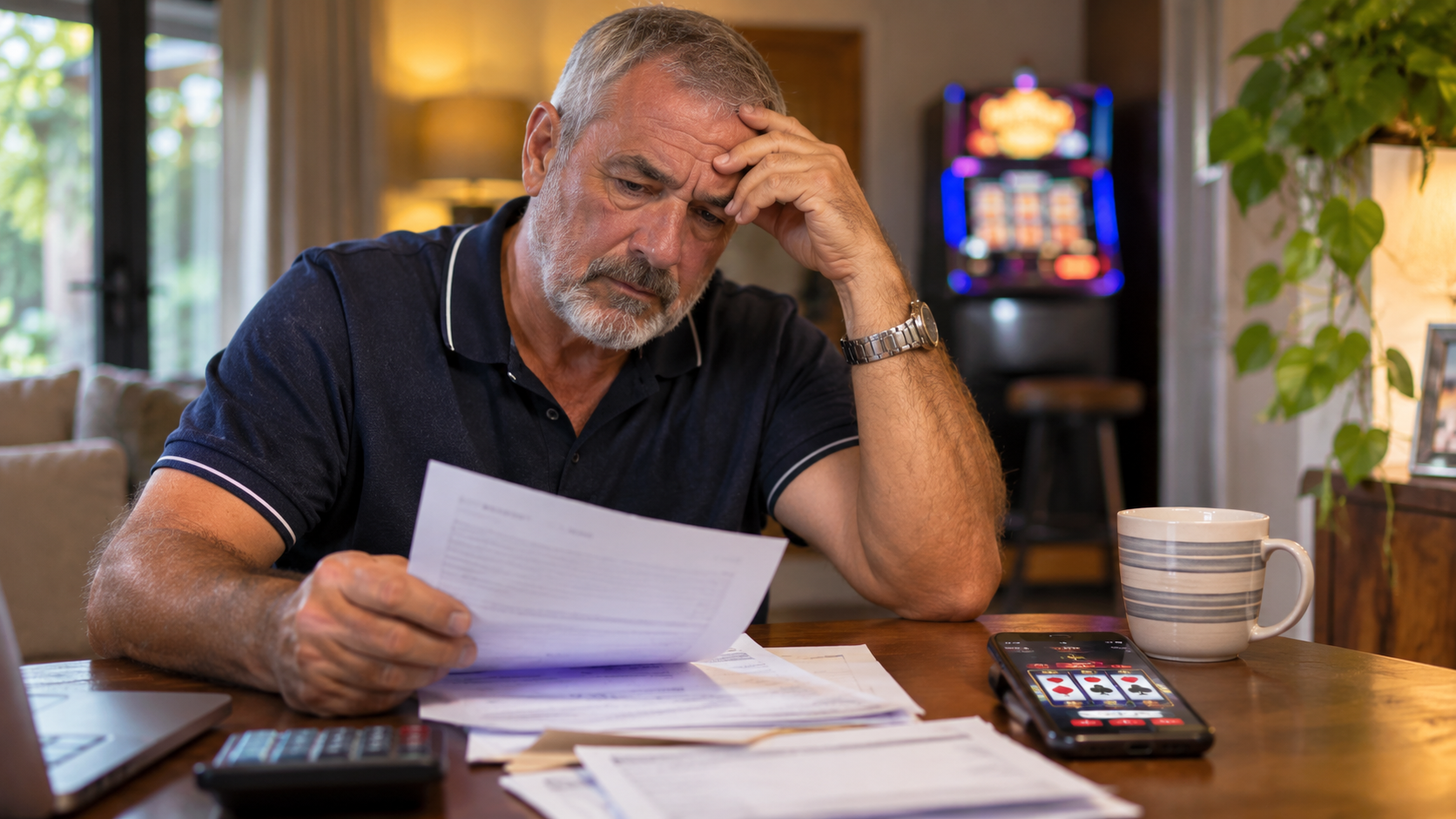
Retirement should provide an opportunity to enjoy greater freedom, spend time with loved ones and pursue meaningful interests. However, the transition from employment into retirement can also introduce unexpected emotional, social and financial challenges.
For some individuals, gambling becomes a way to fill empty hours, manage loneliness or experience excitement following the loss of established routines.
What begins as occasional entertainment can gradually develop into a harmful behavioral pattern affecting financial security, emotional wellbeing and family relationships.
At Advance Minds Counselling & Mental Health Services in Bankstown, Sydney, gambling addiction counselling supports individuals in understanding problematic gambling behaviors, identifying emotional triggers and developing healthier coping strategies.
Why Retirement Can Increase Vulnerability to Gambling Addiction
Employment often provides more than financial income. It can also create structure, social interaction, personal identity and a sense of achievement.
When someone retires, these experiences may change considerably.
Individuals who previously maintained busy working schedules may suddenly find themselves with significant amounts of unstructured time.
For some retirees, gambling venues provide opportunities for social interaction, entertainment and temporary relief from boredom.
Online gambling can also become increasingly accessible, allowing individuals to gamble without leaving their homes.
These circumstances do not mean retirement inevitably leads to gambling addiction. However, understanding potential vulnerabilities can help individuals recognize concerning behavioral changes.
The Connection Between Loneliness and Problem Gambling
Social isolation can become a significant challenge following retirement.
Changes in friendships, reduced workplace interaction, bereavement and declining mobility may contribute to feelings of loneliness.
Gambling environments may provide temporary companionship or distraction from uncomfortable emotions.
Someone may begin visiting a gambling venue primarily for social interaction before gradually increasing the frequency and amount of their gambling.
Over time, gambling may become a central part of their daily routine.
Gambling addiction counselling can help individuals explore the emotional needs underlying their behavior and identify alternative ways of developing meaningful social connections.
Recognizing the Early Warning Signs of Gambling Addiction
Problem gambling can develop gradually, making it difficult for individuals and family members to recognize when recreational gambling becomes harmful.
Warning signs may include:
- Spending increasing amounts of time gambling.
- Using retirement savings to fund gambling.
- Concealing gambling losses from family members.
- Borrowing money to continue gambling.
- Neglecting household expenses or financial commitments.
- Becoming defensive when gambling is discussed.
- Attempting to recover previous gambling losses.
- Experiencing anxiety or irritability when unable to gamble.
- Losing interest in previously enjoyable activities.
- Repeatedly making unsuccessful attempts to reduce gambling.
Recognizing these behaviors early can provide an opportunity to seek professional support before financial and emotional consequences become more serious.
Protecting Retirement Savings From Gambling Harm
Retirement savings are often accumulated over decades of employment and financial planning.
Unlike individuals who remain in full-time employment, retirees may have fewer opportunities to recover significant financial losses.
Problem gambling can therefore have particularly serious consequences for long-term financial security.
Individuals may begin using superannuation payments, pension income or personal savings to continue gambling.
Financial pressure can increase when gambling losses interfere with housing costs, medical expenses and everyday necessities.
Seeking assistance from a qualified financial counsellor can help individuals understand their financial circumstances and explore appropriate protective measures.
Gambling addiction counselling can complement this support by addressing the emotional and behavioral patterns contributing to gambling harm.
Why Chasing Gambling Losses Becomes Dangerous
One of the most concerning gambling behaviors involves attempting to recover money that has already been lost.
Individuals may convince themselves that another gambling session will restore their financial position.
This thinking can create a cycle of increasing losses, emotional distress and further gambling.
The pressure to recover retirement savings may become particularly intense when someone fears admitting the extent of their losses to family members.
Counselling can help individuals recognize unhelpful beliefs about gambling outcomes, understand the consequences of chasing losses and develop more constructive responses to financial distress.
Accepting that previous losses cannot reliably be recovered through further gambling is an important part of behavioral change.
Gambling Addiction and the Loss of Personal Identity
Retirement can create uncertainty about personal identity.
Someone who previously identified strongly with their profession may struggle to find a new sense of purpose.
This experience can be particularly challenging for individuals who spent decades working in demanding roles or supporting their families financially.
Gambling may temporarily provide anticipation, achievement or excitement.
However, relying on gambling to create a sense of purpose can contribute to emotional dependence on the behavior.
Counselling can support individuals in exploring their identity beyond employment and developing meaningful goals for this stage of life.
How Gambling Addiction Affects Family Relationships
Problem gambling can create significant tension between retirees and their loved ones.
Adult children may become concerned about their parents' financial security.
Partners may experience anxiety about shared savings, household expenses and future living arrangements.
Secrecy surrounding gambling can undermine trust and contribute to recurring arguments.
Family members may also experience frustration when previous promises to stop gambling have not resulted in lasting behavioral change.
Constructive communication involves acknowledging the seriousness of gambling harm while avoiding humiliation and unnecessary confrontation.
Individual counselling, family counselling and relationship counselling may help address the emotional consequences of gambling-related difficulties.
The Relationship Between Gambling, Anxiety and Depression
Gambling-related financial losses can contribute to anxiety, shame, low mood and feelings of hopelessness.
At the same time, individuals experiencing emotional distress may turn to gambling as a form of distraction.
This can create a cycle in which gambling temporarily reduces uncomfortable emotions but ultimately contributes to further difficulties.
Mental health counselling can help individuals understand these connections and develop healthier emotional regulation strategies.
Persistent depression, severe anxiety or thoughts of self-harm require appropriate professional assessment and support.
In an immediate emergency, call 000.
Developing Healthier Retirement Routines
Creating meaningful routines can help reduce reliance on gambling for entertainment and emotional relief.
Individuals may benefit from exploring activities that provide social connection, personal achievement and enjoyment.
These may include volunteering, community groups, gardening, exercise, creative interests, educational programs and spending time with family members.
The objective is not simply to replace gambling with another activity.
It is to develop a retirement lifestyle that supports emotional wellbeing, social connection and a meaningful sense of purpose.
Practical Strategies for Reducing Gambling Harm
Recovery from problem gambling often involves both emotional and practical changes.
Individuals may benefit from considering voluntary gambling self-exclusion programs, gambling payment blocks offered by financial institutions and appropriate financial safeguards.
Other strategies include identifying high-risk environments, establishing structured daily routines and discussing gambling urges with a trusted support person.
Australia's national online wagering self-exclusion register, Bet Stop, may also be appropriate for individuals experiencing difficulties with licensed online and telephone wagering.
These measures can complement professional counselling but should not necessarily replace broader treatment and recovery support.
How Gambling Addiction Counselling Can Help
At Advance Minds Counselling & Mental Health Services, gambling addiction counselling may incorporate cognitive behavioral therapy techniques, motivational interviewing, relapse prevention strategies and emotional regulation.
Counselling can help individuals identify personal gambling triggers, challenge unrealistic expectations, develop healthier coping mechanisms and strengthen personal accountability.
Support can also address underlying concerns involving loneliness, grief, anxiety, relationship difficulties and retirement adjustment.
Recovery goals are developed according to individual circumstances and support needs.
Gambling Addiction Counselling in Bankstown, Sydney and Online
Advance Minds provides professional counselling for individuals experiencing gambling addiction, behavioral addictions and associated mental health concerns.
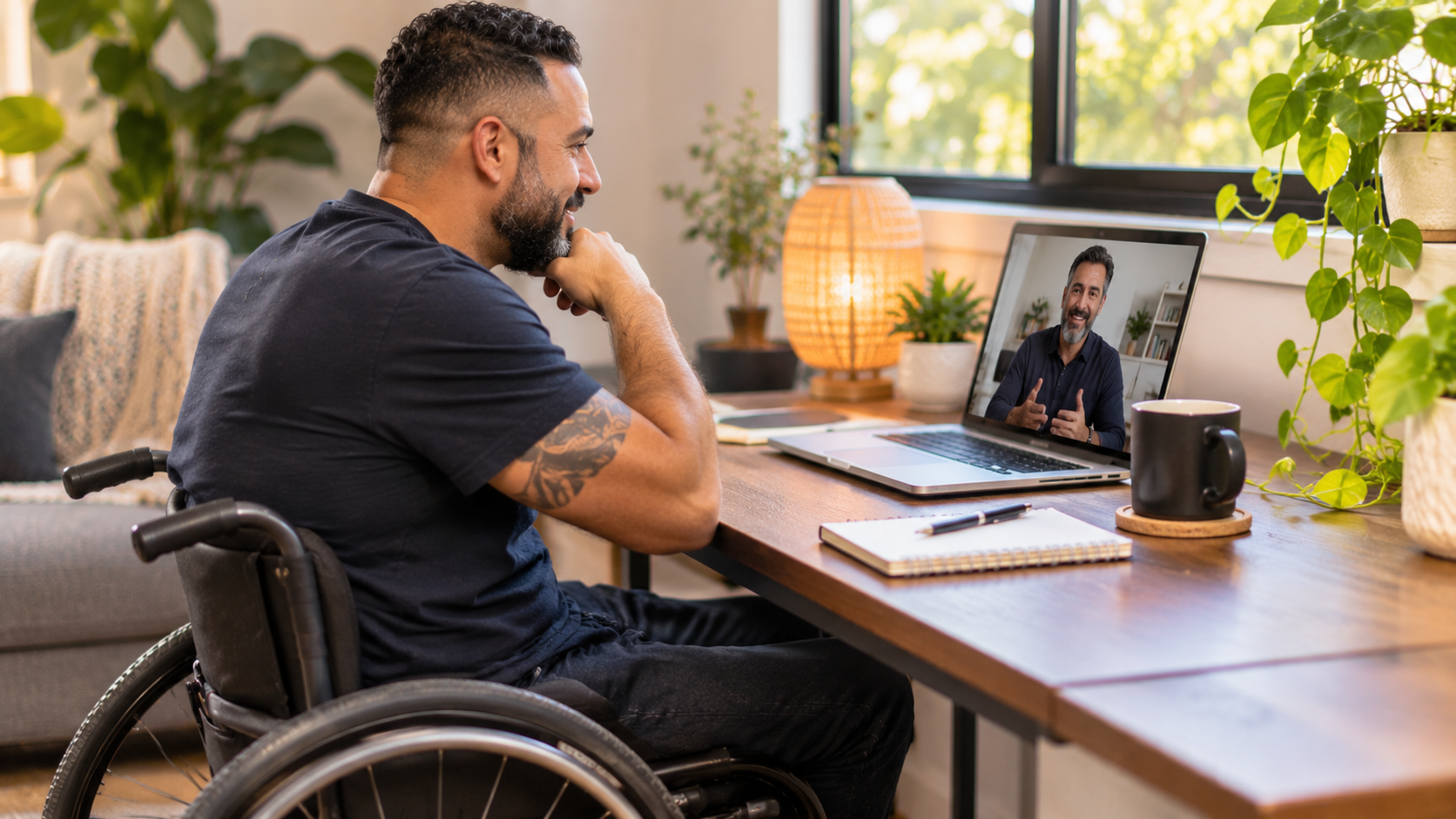
Face-to-face appointments are available in Bankstown, Sydney, alongside online gambling addiction counselling across Australia.
Individuals do not need to wait until gambling has caused significant financial hardship before seeking support.
Early intervention can provide an opportunity to address concerning behaviors and protect long-term wellbeing.
Frequently Asked Questions
Can gambling addiction develop after retirement?
Yes. Changes in routine, social isolation, increased leisure time and emotional adjustment may contribute to gambling difficulties during retirement.
Why are gambling losses particularly concerning for retirees?
Retirees may have limited opportunities to replace lost savings, making gambling-related financial harm particularly serious.
Is frequent gambling always considered an addiction?
No. Problem gambling is generally associated with impaired control, continued gambling despite harmful consequences and significant disruption to everyday life.
Can counselling help someone stop gambling?
Gambling addiction counselling can help individuals understand triggers, challenge harmful thinking patterns and develop practical recovery strategies.
Can family members attend counselling about gambling addiction?
Family members may benefit from counselling to address emotional distress, communication difficulties and appropriate boundaries.
Can I recover from gambling addiction without losing my independence?
Recovery support can be developed around personal autonomy, informed decision-making and appropriate financial safeguards.
Is online gambling addiction counselling available across Australia?
Advance Minds offers online counselling for gambling-related concerns, subject to individual suitability and support needs.
Protect Your Retirement and Emotional Wellbeing
Retirement represents an important stage of life that deserves financial security, meaningful relationships and emotional stability.
If gambling is affecting your savings, relationships or mental health, professional counselling can help you understand your behavior and work towards meaningful change.
Click the Book Now button on our website to book your appointment with Advance Minds.


Advance Minds Blog
A safe space to explore subjects within the community such as mental health, substance abuse and personal identity.
Our safe space also provides the opportunity for real individuals to express their hardships and success through writing.
Are you in crisis?
- In an emergency, call 000
- Lifeline 13 11 14
- 1800RESPECT 1800 737 732
- Beyond Blue 1300 224 636
- Suicide Call Back Service 1300 659 467