

Road Rage and Emotional Regulation: Why Driving Can Bring Out Your Anger
Understanding aggressive driving reactions, recognizing emotional triggers and developing healthier responses through anger management counselling.
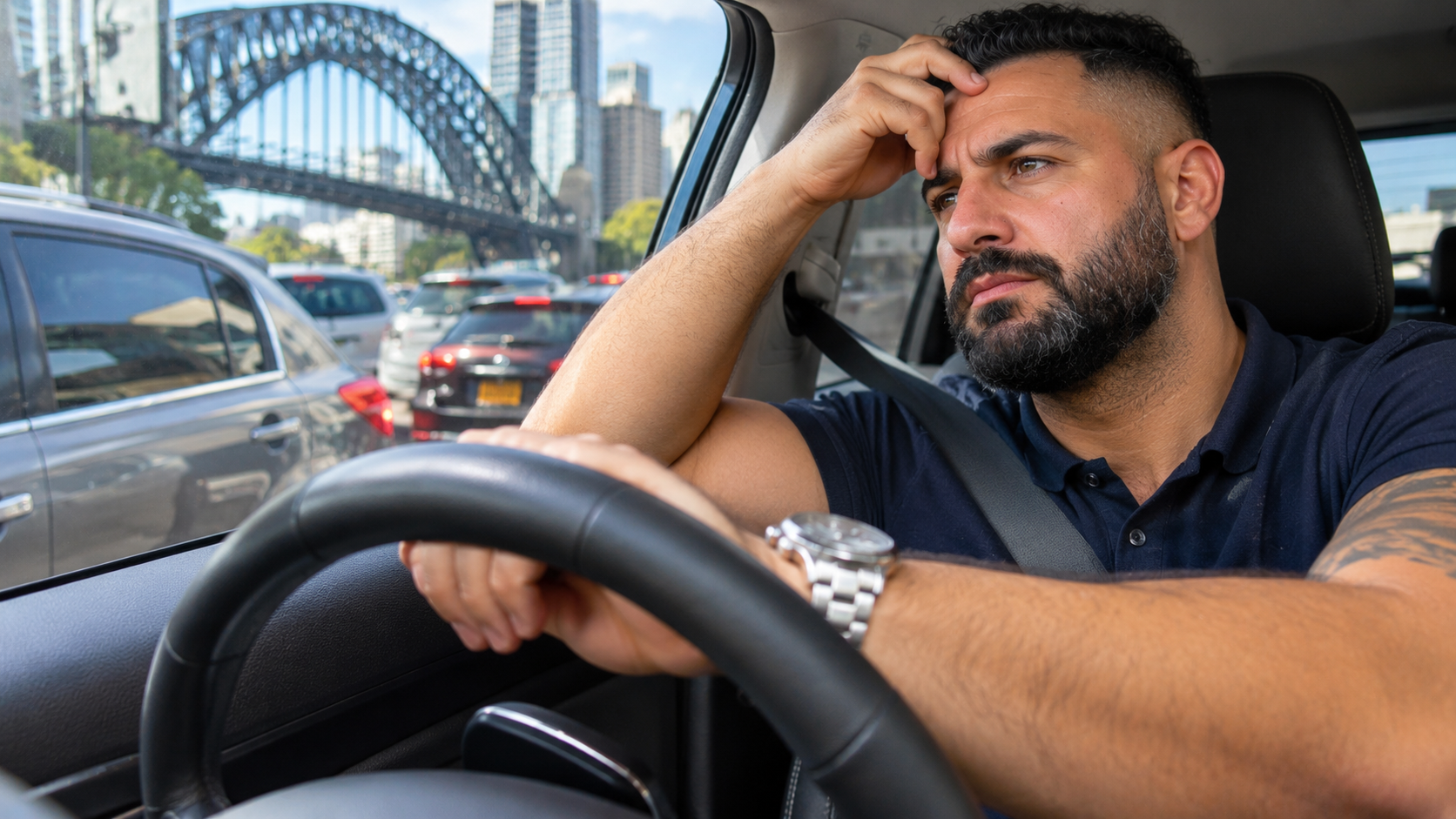
Driving is an everyday responsibility for many Australians. However, traffic congestion, unexpected delays and the behavior of other motorists can create significant frustration.
For some individuals, these experiences trigger intense anger that becomes difficult to regulate.
Road rage may involve shouting, aggressive gestures, excessive horn use, dangerous driving or confrontations with other motorists.
These reactions can place drivers, passengers and other road users at risk.
At Advance Minds Counselling & Mental Health Services in Bankstown, Sydney, anger management counselling can help individuals understand emotional triggers, develop greater self-awareness and practice healthier responses to frustration.
Why Does Driving Trigger Anger?
Driving involves circumstances that are frequently outside an individual's control.
Other motorists may make unexpected decisions, traffic conditions may change and delays may interfere with important responsibilities.
Individuals who struggle with uncertainty or perceived disrespect may experience particularly strong emotional reactions.
A driver changing lanes unexpectedly may be interpreted as deliberately inconsiderate, even when their intentions are unknown.
These interpretations can influence the intensity of an emotional response.
Understanding the Difference Between Frustration and Road Rage
Feeling frustrated while driving is common.
However, frustration becomes more concerning when it influences behavior in ways that compromise safety.
Warning signs include:
- Shouting or swearing at other drivers.
- Deliberately following another vehicle too closely.
- Attempting to intimidate other motorists.
- Making aggressive gestures.
- Becoming involved in roadside confrontations.
- Continuing to think about an incident long after it occurred.
- Frightening passengers through aggressive reactions.
Recognizing these behaviors is an important part of accepting responsibility and developing healthier responses.
The Role of Stress in Driving Anger
Road rage is not always caused exclusively by traffic conditions.
Someone experiencing financial pressure, relationship conflict, workplace stress or emotional exhaustion may already have reduced capacity to manage frustration.
A relatively minor driving incident may become the event that triggers an intense reaction.
This does not excuse aggressive behavior, but understanding the contributing factors can help individuals address the broader emotional difficulties influencing their responses.
Mental health counselling and anger management counselling can help individuals explore these connections.
Why Perceived Disrespect Can Trigger Anger
Some individuals interpret another driver's behavior as a personal attack.
Being overtaken, delayed or unexpectedly cut off may create feelings of humiliation, disrespect or loss of control.
These interpretations can increase emotional intensity.
However, drivers generally have limited information about another person's circumstances or intentions.
Learning to distinguish between observable behavior and personal assumptions can help reduce unnecessary emotional escalation.
CBT techniques may support individuals in recognizing these interpretations and developing more balanced responses.
Recognizing Physical Warning Signs of Anger
Anger can produce noticeable physical changes before an individual becomes verbally or behaviorally aggressive.
These may include muscle tension, increased heart rate, clenched hands, rapid breathing and feelings of restlessness.
Recognizing early warning signs can provide an opportunity to respond before emotions escalate.
While driving, maintaining attention to the road must remain the priority.
If anger becomes difficult to manage, safely pulling over in an appropriate location and allowing time to regain composure may be necessary.
How Road Rage Can Affect Your Family
Aggressive driving can create anxiety for passengers, particularly children.
Family members may become uncomfortable travelling with someone who frequently reacts aggressively to other motorists.
Children may also observe and learn unhealthy responses to frustration.
Partners may experience embarrassment, fear or concern about personal safety.
Acknowledging these effects can help individuals understand that anger management involves more than controlling their own emotional discomfort.
It also involves recognizing the impact of their behavior on others.
Taking Responsibility Without Making Excuses
Individuals may justify aggressive driving by focusing on the behavior of another motorist.
However, another person's poor decision does not remove personal responsibility for responding safely.
Developing accountability involves recognizing the difference between what triggered your anger and how you chose to respond.
Anger management counselling can help individuals explore these distinctions without minimizing the seriousness of aggressive behavior.
Developing Healthier Driving Habits
Practical changes can help reduce unnecessary pressure while driving.
Allowing additional travel time, avoiding driving when severely fatigued and preparing for predictable traffic delays may reduce frustration.
Individuals should avoid engaging with aggressive motorists and should never pursue another vehicle to continue a confrontation.
If another driver behaves threateningly, priorities personal safety and contact emergency services when necessary.
The objective is to arrive safely rather than prove a point or correct another person's behavior.
Understanding Anger Beyond the Road
Recurring road rage may reflect broader difficulties with emotional regulation.
Individuals may notice similar reactions during relationship disagreements, workplace conflict or situations involving unexpected changes.
Exploring these patterns can help identify underlying beliefs and emotional triggers.
Anger management counselling may address communication difficulties, impulsive reactions, stress management and unresolved emotional experiences.
Developing these skills can support healthier behavior across multiple areas of life.
How CBT Supports Anger Management
CBT techniques can help individuals understand the connection between interpretations, emotional responses and behavior.
For example, interpreting another driver's mistake as deliberate disrespect may increase anger.
Considering alternative explanations may help reduce emotional escalation.
Counselling can also support individuals in recognizing recurring thinking patterns, developing practical coping strategies and reviewing progress.
The purpose is not to eliminate every experience of anger but to develop safer and more appropriate responses.
When Professional Anger Management Support Is Needed
Consider seeking professional support if driving anger regularly affects your wellbeing, relationships or safety.
Support may be particularly important when anger has contributed to dangerous driving, complaints, legal consequences or fear among family members.
Counselling can help individuals develop greater awareness and accountability while addressing the factors contributing to emotional dysregulation.
Where legal proceedings are involved, independent legal advice may also be necessary.
Participation in counselling does not guarantee any particular legal outcome.
Anger Management Counselling in Bankstown and Sydney
Advance Minds Counselling & Mental Health Services provides anger management counselling for individuals experiencing emotional outbursts, aggressive reactions, relationship conflict, workplace anger and difficulties managing frustration.
Face-to-face appointments are available in Bankstown, Sydney, with online anger management counselling available across Australia.
Frequently Asked Questions
Is road rage an anger management problem?
Recurring aggressive driving reactions may indicate difficulties with emotional regulation and frustration tolerance.
Why do I become angrier when driving than in other situations?
Driving may involve uncertainty, perceived disrespect, time pressure and limited control over other people's behavior.
Can anxiety contribute to road rage?
Yes. Anxiety and heightened stress may influence how individuals respond to unexpected driving situations.
Can anger management counselling help with aggressive driving?
Counselling can help individuals recognize triggers, challenge unhelpful thinking patterns and develop safer responses.
Does road rage affect children travelling in the car?
Aggressive driving can create fear and emotional distress for children and other passengers.
Can I attend anger management counselling online?
Advance Minds offers online anger management counselling across Australia, subject to individual suitability.
Can counselling help with court-related anger management?
Counselling may support behavioral change and personal accountability. Acceptance of counselling documentation and legal outcomes depend on the relevant authorities.
Take Responsibility for Your Emotional Responses
Managing anger involves recognizing your triggers, understanding your behavior and developing the ability to respond differently.
Professional anger management counselling can help you work towards safer driving, healthier relationships and improved emotional regulation.
Click the Book Now button on our website to book your appointment with Advance Minds.



Advance Minds Blog
A safe space to explore subjects within the community such as mental health, substance abuse and personal identity.
Our safe space also provides the opportunity for real individuals to express their hardships and success through writing.
Are you in crisis?
- In an emergency, call 000
- Lifeline 13 11 14
- 1800RESPECT 1800 737 732
- Beyond Blue 1300 224 636
- Suicide Call Back Service 1300 659 467