

Depression – Part 3: Depression in Childhood – When Sadness Looks Like Behaviour
Childhood depression often goes unnoticed because it doesn’t always look like sadness.
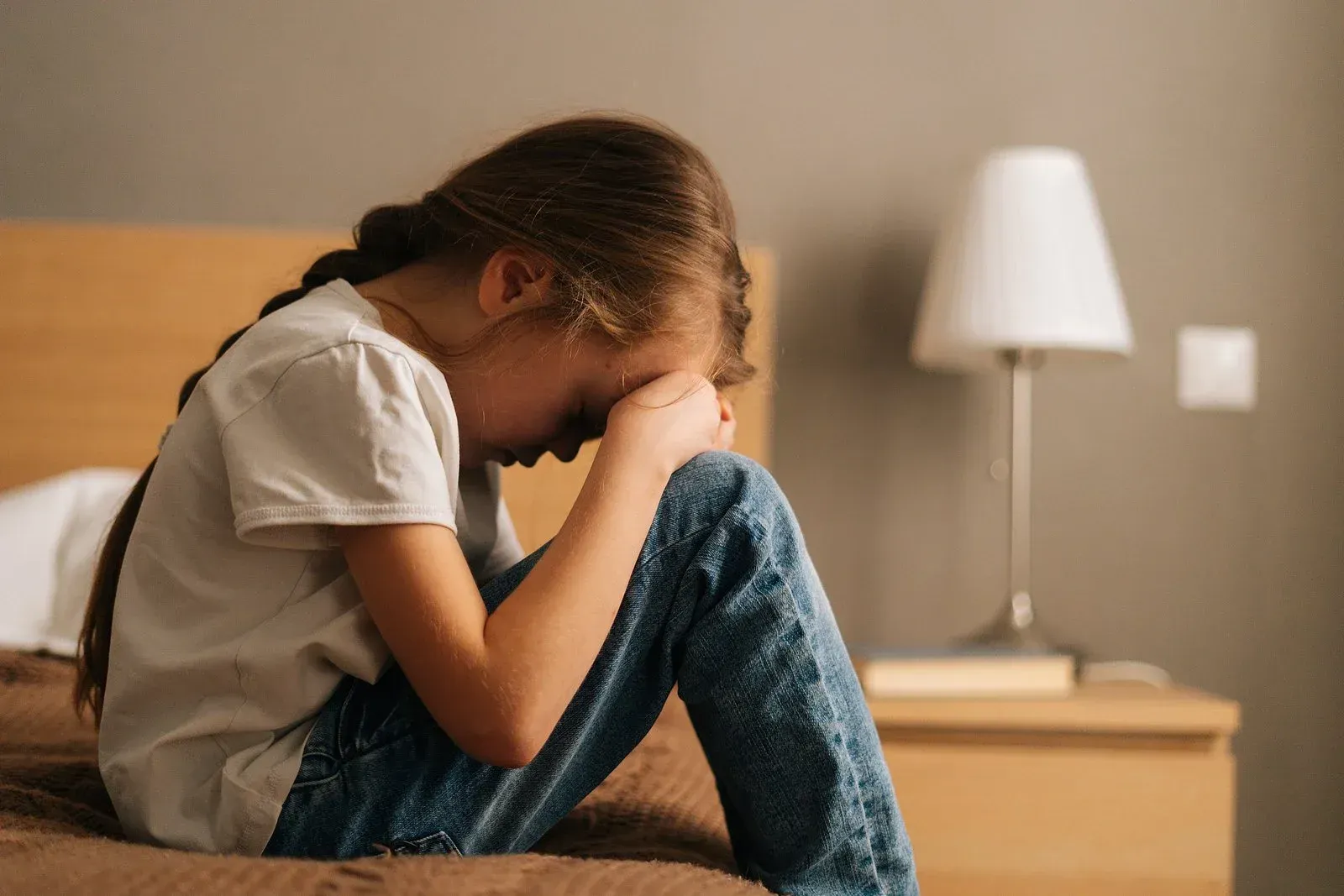
🌱Children may not have the words to explain how they feel, so their distress is often expressed through behaviour, emotions, or physical complaints.
What appears as “acting out” or “withdrawal” can actually be a child struggling internally.
🧠 How Depression Can Present in Children
Children experience depression differently from adults.
Instead of verbalising low mood, they may show changes in behaviour, energy, or engagement.
• Increased irritability or anger
• Frequent meltdowns or emotional outbursts
• Withdrawal from friends or activities
• Loss of interest in play or hobbies
• Ongoing sadness, tearfulness, or flat mood
These changes are often gradual, making them easy to dismiss as phases.
🏫 Behaviour vs. Emotional Distress
Children with depression are often misunderstood.
Their behaviour may be labelled as naughty, lazy, or defiant when it is actually a sign of emotional pain.
• Difficulty concentrating at school
• Decline in academic performance
• Avoidance of school or social situations
• Increased sensitivity to criticism
When emotional needs are unmet, behaviour becomes the child’s way of communicating distress.
😔 Physical Signs Parents May Miss
Children don’t always link emotions to feelings in the body, but depression frequently shows up physically.
• Ongoing stomach aches or headaches
• Changes in sleep patterns
• Fatigue or low energy
• Changes in appetite
Repeated physical complaints without a clear medical cause can be a sign that emotional wellbeing needs attention.
🫂 Risk Factors for Childhood Depression
Depression in children can develop for many reasons, and often more than one factor is involved.
• Family conflict or instability
• Trauma, loss, or significant change
• Bullying or social exclusion
• Parental stress or mental health challenges
Children are deeply affected by their environments, even when adults believe they are being shielded.
🌿 Final Thoughts 💞🌈
Childhood depression is not a failure of parenting, discipline, or resilience.
It is a signal that a child needs understanding, safety, and emotional support.
Early recognition and compassionate intervention can make a powerful difference in a child’s long-term mental health.
When children feel seen and supported, healing becomes possible.



Advance Minds Blog
A safe space to explore subjects within the community such as mental health, substance abuse and personal identity.
Our safe space also provides the opportunity for real individuals to express their hardships and success through writing.
Are you in crisis?
- In an emergency, call 000
- Lifeline 13 11 14
- 1800RESPECT 1800 737 732
- Beyond Blue 1300 224 636
- Suicide Call Back Service 1300 659 467