

Depression – Part 10: Depression in Women – Emotional Load, Identity, and Invisible Pressure
Depression in women can often be intertwined with social expectations, caregiving responsibilities, and internalised pressures to “do it all.”
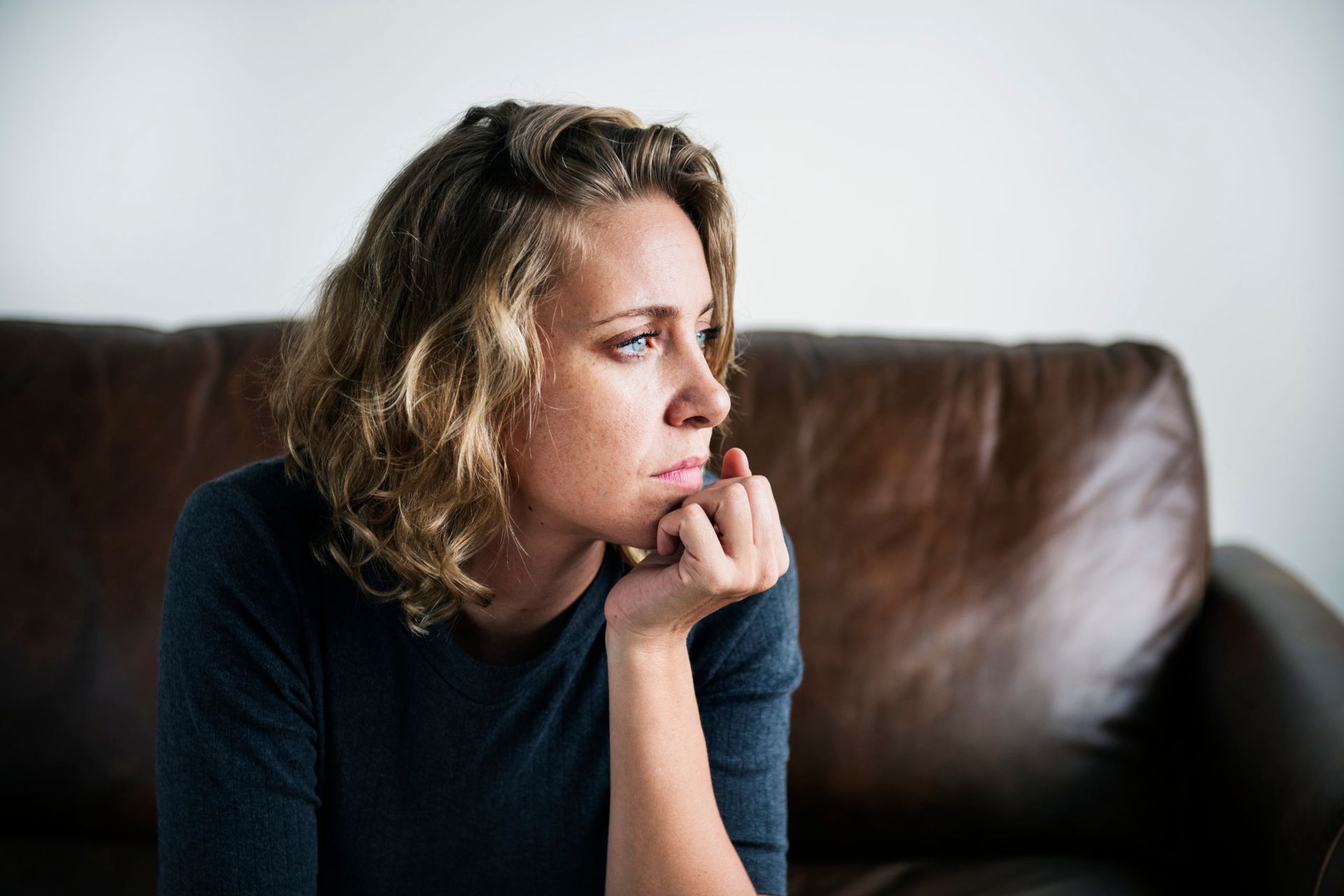
🌱Emotional labour, whether at work, home, or in relationships, can increase stress and contribute to persistent low mood.
Hormonal changes, life transitions, and societal expectations may intensify symptoms and affect the way depression manifests.
🧠 Common Signs of Depression in Women
Women may experience depression differently from men, often showing more internalised symptoms:
• Persistent sadness, tearfulness, or irritability
• Fatigue or disrupted sleep patterns
• Feelings of guilt or worthlessness
• Difficulty concentrating or making decisions
• Changes in appetite or weight
These symptoms can sometimes be misattributed to stress, burnout, or hormonal changes.
😔 Emotional and Social Pressures
Women often juggle multiple roles, which can intensify emotional strain:
• Balancing work, family, and household responsibilities
• Societal expectations about appearance, caregiving, and success
• Limited personal time for self-care and reflection
• Internalised guilt for prioritising personal needs
Recognising these pressures can help in validating experiences and seeking support.
🚧 Barriers to Seeking Help
Women may face unique barriers in addressing depression:
• Belief that they should “manage on their own”
• Fear of stigma or being judged for emotional vulnerability
• Overwhelm due to competing responsibilities
• Lack of access to childcare or flexible therapy options
Breaking these barriers requires supportive environments and practical strategies.
🫂 Supporting Women Experiencing Depression
Early intervention, social support, and professional help are critical:
• Therapy, counselling, or support groups
• Open conversations with family, friends, and partners
• Structured self-care routines and personal boundaries
• Mindfulness or stress-reduction techniques
Even small steps can create meaningful improvements in mood and daily functioning.
🌿 Final Thoughts 💞🌈
Depression in women is often hidden behind the mask of competence and care for others.
Validating feelings, recognising stressors, and accessing help are essential for recovery.
Emotional support, therapy, and self-compassion can empower women to reclaim their wellbeing and life balance.


Advance Minds Blog
A safe space to explore subjects within the community such as mental health, substance abuse and personal identity.
Our safe space also provides the opportunity for real individuals to express their hardships and success through writing.
Are you in crisis?
- In an emergency, call 000
- Lifeline 13 11 14
- 1800RESPECT 1800 737 732
- Beyond Blue 1300 224 636
- Suicide Call Back Service 1300 659 467