

Why Receiving Your Pay Can Trigger Drug and Alcohol Relapse
Understanding financial triggers, managing substance cravings and developing healthier payday routines to protect your addiction recovery.

For many people recovering from drug and alcohol addiction, payday can become one of the most challenging periods of the week.
Receiving wages, business income or other payments can create opportunities to return to substance use, even after a significant period of recovery.
Understanding the relationship between money, cravings and learned behaviour can help individuals develop practical strategies that protect their recovery and improve their financial and emotional wellbeing.
At Advance Minds Counselling & Mental Health Services in Bankstown, Sydney, drug and alcohol addiction counselling supports individuals in recognising personal triggers, developing healthier behaviours and working towards sustainable recovery.
Why Payday Can Become an Addiction Trigger
When someone repeatedly purchases drugs or alcohol after receiving money, their brain can begin associating financial access with the anticipation of substance use.
Eventually, receiving a payment notification, checking a bank balance or withdrawing cash may become associated with cravings.
These associations can remain present even when someone genuinely wants to stop using substances.
Recognising this pattern is an important part of addiction recovery. Rather than waiting until cravings become overwhelming, individuals can learn to anticipate vulnerable periods and prepare for them.
The Connection Between Money and Impulsive Decisions
Access to money can remove a practical barrier that previously prevented substance use.
Someone may spend several days committed to recovery, only to experience increased temptation when their wages arrive.
Common contributing factors include:
- Increased access to disposable income.
- Previous payday substance use routines.
- Social invitations involving alcohol or drugs.
- Emotional stress following a demanding working week.
- Using substances as a reward.
- Difficulty delaying immediate gratification.
- Contact from people associated with previous substance use.
Understanding these factors allows individuals to prepare rather than relying exclusively on willpower.
Recognising the Warning Signs Before Relapse
Relapse prevention often begins before a substance is purchased or consumed.
Warning signs may include repeatedly checking bank balances, contacting previous substance-using friends, rationalising occasional use or abandoning established recovery routines.
A person might begin telling themselves that they deserve a reward, that one occasion will not matter or that they can return to recovery afterwards.
Addiction counselling can help individuals recognise these thoughts and develop alternative responses before they become actions.
Understanding the Addiction Reward Cycle
Substance use can become associated with pleasure, emotional relief and temporary escape from everyday responsibilities.
When payday repeatedly becomes connected with substance use, the anticipation of receiving money may itself contribute to cravings.
Breaking this association involves developing new routines and learning to tolerate uncomfortable feelings without automatically responding through substance use.
Recovery requires more than removing access to drugs or alcohol. It also involves changing the behaviours, environments and expectations that previously supported addiction.
Creating a Healthier Payday Routine
Developing a structured payday routine can reduce opportunities for impulsive substance use.
Practical strategies may include:
- Arranging automatic payments for essential expenses.
- Planning meaningful activities in advance.
- Attending addiction counselling appointments.
- Establishing realistic spending limits.
- Avoiding environments associated with previous substance use.
- Maintaining contact with supportive people.
- Setting achievable financial recovery goals.
Some individuals benefit from voluntarily establishing financial accountability arrangements with a trusted person.
These arrangements should respect personal autonomy and should never become a means of financial control or abuse.
The objective is to create an environment that supports recovery while gradually strengthening independent decision-making.
Learning to Reward Yourself Without Substances
Substance use can become associated with celebration, relaxation and personal reward.
Recovery involves discovering alternative experiences that provide enjoyment, connection and satisfaction.
Exercise, recreational activities, spending time with supportive friends, pursuing hobbies and saving towards meaningful goals can help establish healthier associations with payday.
These alternatives may initially feel less rewarding. Building new routines requires repetition, patience and realistic expectations.
Addressing the Emotional Reasons Behind Substance Use
Financial access may create the opportunity to use substances, but emotional difficulties can contribute to the desire to use them.
Stress, loneliness, unresolved trauma, relationship conflict and low self-esteem may influence addictive behaviours.
Effective addiction counselling explores these underlying difficulties alongside practical relapse prevention strategies.
Understanding why a person seeks relief through substances can help them develop healthier ways of responding to emotional discomfort.
Rebuilding Financial Stability During Addiction Recovery
Drug and alcohol addiction can have significant financial consequences.
Some individuals experience unpaid bills, accumulated debt, difficulties maintaining employment or damaged relationships because of financial dishonesty.
Recovery provides an opportunity to gradually rebuild financial stability.
Setting realistic savings goals, prioritising essential expenses and seeking appropriate financial guidance can support this process.
It is important to avoid becoming overwhelmed by previous financial mistakes. Progress can begin with small, consistent decisions that support long-term stability.
Developing Personal Accountability
Personal accountability is an important component of addiction recovery.
This involves recognising high-risk situations, being honest about cravings and taking responsibility for decisions.
Keeping a recovery journal may help individuals identify patterns between receiving money, emotional experiences and substance cravings.
Recording these experiences can also provide useful information to discuss during addiction counselling appointments.
Accountability should encourage growth rather than shame. Difficulties can provide opportunities to understand what needs to change within an individual recovery plan.
What to Do When Payday Cravings Become Overwhelming
When cravings increase, having an established response plan can be helpful.
Consider contacting a trusted support person, changing your immediate environment or engaging in a previously planned activity.
Remind yourself of your reasons for pursuing recovery and the consequences associated with returning to substance use.
If cravings remain difficult to manage, seek professional addiction support.
People who have returned to substance use after abstinence may have reduced tolerance, increasing the risk of overdose. Medical advice and appropriate harm reduction support are particularly important in these circumstances.
How Addiction Counselling Can Help
Drug and alcohol addiction counselling at Advance Minds provides a supportive and non-judgemental environment where individuals can explore their substance use patterns.
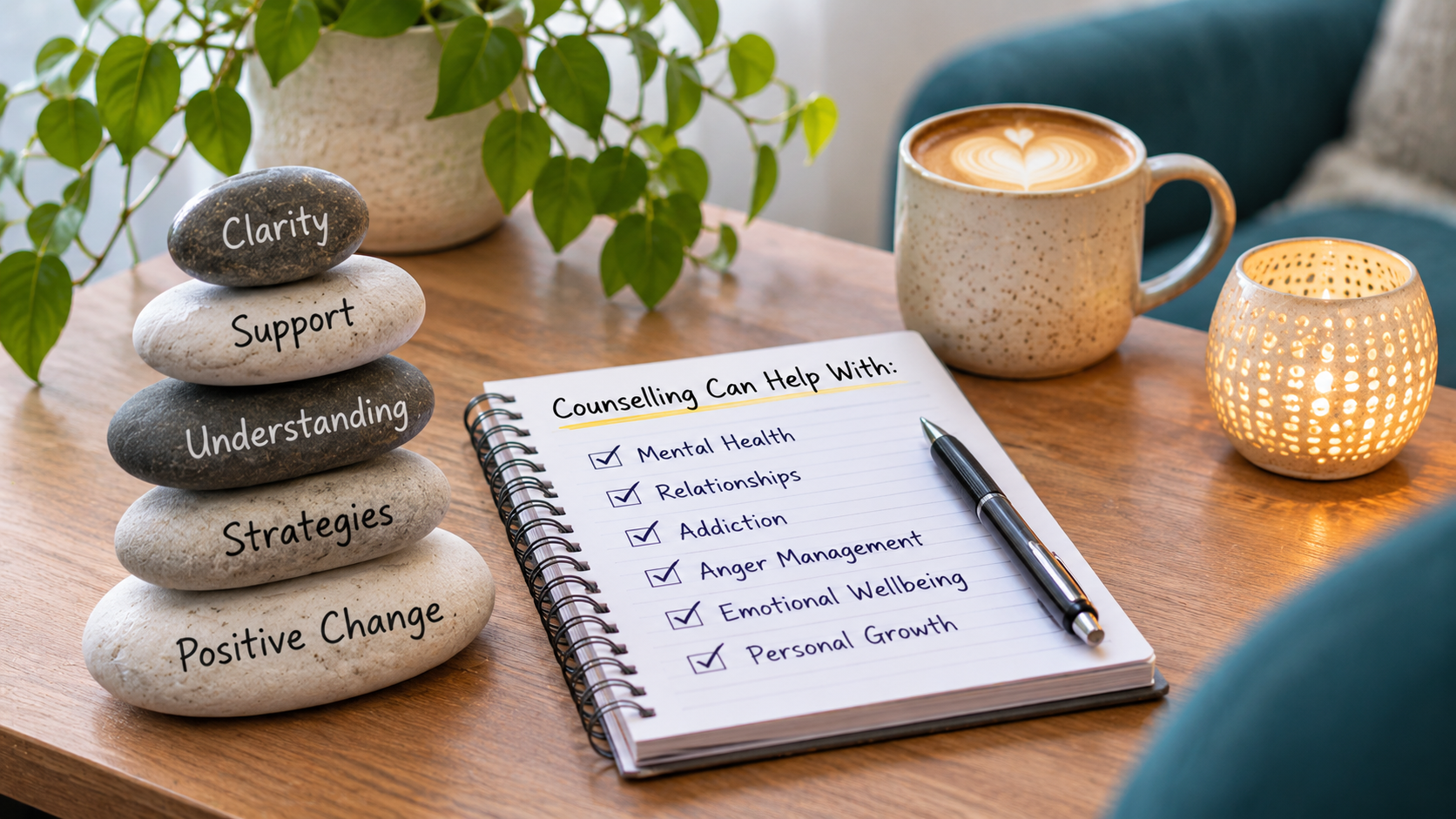
Counselling may assist with:
- Identifying personal addiction triggers.
- Developing relapse prevention strategies.
- Challenging unhelpful thinking patterns.
- Strengthening emotional regulation.
- Improving personal accountability.
- Establishing realistic recovery goals.
- Developing healthier relationships and routines.
Support is available for individuals experiencing difficulties associated with alcohol, cocaine, methamphetamine, cannabis and other substances.
People experiencing physical dependence may also require medical assessment. Alcohol and benzodiazepine withdrawal can be dangerous, and counselling is not a substitute for medically supervised withdrawal when required.
Addiction Counselling in Bankstown and Across Australia
Advance Minds provides face-to-face addiction counselling in Bankstown, Sydney, alongside online counselling for individuals across Australia.
Seeking professional support can help individuals understand their behaviour, develop practical recovery strategies and work towards greater emotional and financial stability.
Recovery is not simply about avoiding substances. It also involves developing a lifestyle that supports healthier decisions and meaningful personal growth.
Frequently Asked Questions
Can receiving money trigger drug cravings?
Yes. When financial access has repeatedly been associated with substance use, receiving money can become a learned trigger.
How can I avoid relapsing on payday?
Planning essential expenses, arranging supportive activities, recognising warning signs and developing an individual relapse prevention plan may help.
Should someone else manage my money during recovery?
Some people benefit from voluntary financial accountability arrangements. These should be agreed upon, transparent and respectful of personal independence.
Can addiction counselling help with cocaine and alcohol cravings?
Addiction counselling can assist individuals in understanding cravings, identifying triggers and developing practical coping strategies.
Does experiencing cravings mean my recovery has failed?
No. Cravings can occur during recovery. Learning to recognise and respond to them is an important part of developing healthier behaviours.
Is online addiction counselling available?
Yes. Advance Minds offers online counselling alongside face-to-face appointments in Bankstown, Sydney.
Take the Next Step Towards Recovery
Understanding your payday triggers can help you establish healthier routines, strengthen your recovery and regain greater control over your decisions.
Professional addiction counselling can provide guidance, practical strategies and ongoing support as you work towards meaningful change.
Click the Book Now button on our website to book your appointment with Advance Minds.


Advance Minds Blog
A safe space to explore subjects within the community such as mental health, substance abuse and personal identity.
Our safe space also provides the opportunity for real individuals to express their hardships and success through writing.
Are you in crisis?
- In an emergency, call 000
- Lifeline 13 11 14
- 1800RESPECT 1800 737 732
- Beyond Blue 1300 224 636
- Suicide Call Back Service 1300 659 467