

When Cannabis Becomes a Habit You Can’t Break: Understanding Cannabis Addiction
Recognising the signs of cannabis dependence, understanding why stopping can be difficult, and how addiction counselling can help you regain control.

When Cannabis Becomes a Habit You Can’t Break: Understanding Cannabis Addiction
Cannabis is sometimes viewed as a relatively harmless way to relax, switch off or manage everyday stress. For some people, using it occasionally may not appear to create significant problems.
However, when cannabis becomes part of someone’s daily routine, it can gradually become difficult to imagine life without it.
What may begin as something used to unwind after work, improve sleep or manage anxiety can develop into a pattern of dependence that affects relationships, motivation, finances, employment and mental health.
You might have told yourself that you will stop tomorrow, take a break next week or only use cannabis on weekends. Yet when the time comes, you find yourself returning to the same habits.
If this sounds familiar, you are not alone.
Cannabis dependence is a genuine issue, and recognising that your use has become difficult to control is an important first step towards making a change.
At Advance Minds, we understand that addiction is rarely just about the substance itself. It is also about understanding what is happening in someone’s life and why cannabis has become an important part of how they cope.
What Is Cannabis Addiction?
Cannabis addiction, clinically referred to as cannabis use disorder, occurs when a person continues using cannabis despite experiencing difficulties or negative consequences.
Some people use cannabis occasionally, while others develop patterns of frequent or daily use.
Dependence can develop when the brain and body adapt to regular cannabis exposure. Over time, a person may feel that they need cannabis to relax, sleep, manage emotions or get through the day.
Common signs of cannabis dependence include:
* Using cannabis more frequently than originally intended.
* Finding it difficult to reduce or stop using.
* Experiencing strong cravings when cannabis is unavailable.
* Spending significant time obtaining, using or recovering from cannabis.
* Continuing to use despite problems with relationships or employment.
* Losing interest in activities previously enjoyed.
* Needing more cannabis to experience similar effects.
* Feeling irritable, anxious or unsettled when trying to stop.
Not everyone experiences all these signs. However, if cannabis is beginning to interfere with your everyday life, it may be worth speaking with an addiction counsellor.
Why Do People Become Dependent on Cannabis?
There is rarely one simple explanation for cannabis dependence.
For some people, cannabis becomes a way of managing stress after a difficult day. For others, it may be connected to anxiety, depression, trauma, loneliness or difficulties sleeping.
Initially, cannabis may feel like it provides relief.
The problem is that relying on a substance to manage uncomfortable emotions can make it harder to develop other ways of coping.
Over time, a pattern can develop where someone uses cannabis whenever they feel overwhelmed, bored, anxious or unable to sleep.
Eventually, the person may find themselves using cannabis not because they particularly want to, but because going without it feels uncomfortable.
Understanding what cannabis is doing for you emotionally is an important part of addressing the underlying pattern.
5 Signs Cannabis May Be Taking Control of Your Life
1. You Struggle to Get Through the Day Without It
You might find yourself thinking about when you will next be able to smoke.
Your daily routine may begin revolving around cannabis, with work, social activities and responsibilities organised around when you can use it.
2. You Use Cannabis to Avoid Difficult Emotions
If you regularly turn to cannabis whenever you feel anxious, frustrated, lonely or stressed, it may have become your primary coping strategy.
Although it may provide temporary relief, the underlying emotions and circumstances may remain unresolved.
3. Your Relationships Are Being Affected
Family members, partners or friends may have started expressing concerns about your cannabis use.
You might become defensive when someone raises the subject, hide how much you are using or withdraw from people who do not support your habits.
Over time, this can create arguments, mistrust and emotional distance.
4. You Have Lost Motivation or Interest in Other Activities
You may notice that activities you once enjoyed no longer seem as appealing.
Work, exercise, socialising and personal goals may begin to feel less important than getting high or recovering from the effects of using.
Not every change in motivation is caused by cannabis, but persistent changes are worth exploring.
5. You Have Tried to Stop but Keep Going Back
Perhaps you have promised yourself that you will quit several times.
You might manage a few days or weeks without cannabis before returning to your previous pattern.
This does not mean you cannot recover.
It may mean that the reasons behind your cannabis use have not yet been properly addressed, or that you need additional support and a more realistic recovery plan.
What Happens When You Stop Smoking Cannabis?
One of the reasons people struggle to stop using cannabis is the discomfort that can occur during withdrawal.
People who use cannabis regularly may experience withdrawal symptoms when they significantly reduce or stop using it.
These can include:
* Irritability and mood changes.
* Anxiety or restlessness.
* Difficulty falling or staying asleep.
* Vivid or unusual dreams.
* Reduced appetite.
* Headaches or physical discomfort.
* Strong cravings to use cannabis.
* Low mood and difficulty concentrating.
Symptoms can begin within one or two days after stopping. They commonly become more noticeable during the first week, although sleep and mood difficulties can last longer.
The experience varies depending on how frequently someone uses cannabis, the amount used and their individual circumstances.
It is important to remember that withdrawal is not the same as recovery. Managing the initial symptoms is only one part of making longer-term changes.
If you have significant mental health concerns, use other substances or are unsure how to stop safely, speak with a GP or qualified alcohol and other drug professional about appropriate support.
Why Quitting Cannabis Can Be So Difficult
Many people assume that stopping cannabis is simply a matter of willpower.
In reality, dependence can involve physical, psychological, emotional and behavioural factors.
For example, someone who has smoked cannabis every evening for several years may associate it with finishing work, relaxing, eating dinner and going to sleep.
Removing cannabis from that routine can leave a significant gap.
They may suddenly need to find different ways to manage boredom, stress, uncomfortable emotions and sleep difficulties.
Without understanding these patterns, it can be easy to return to cannabis when life becomes challenging.
This is why effective addiction counselling should look beyond the substance itself.
The goal is to understand the reasons behind the behaviour and develop practical alternatives that can be maintained over time.
How Cannabis Addiction Therapy Can Help
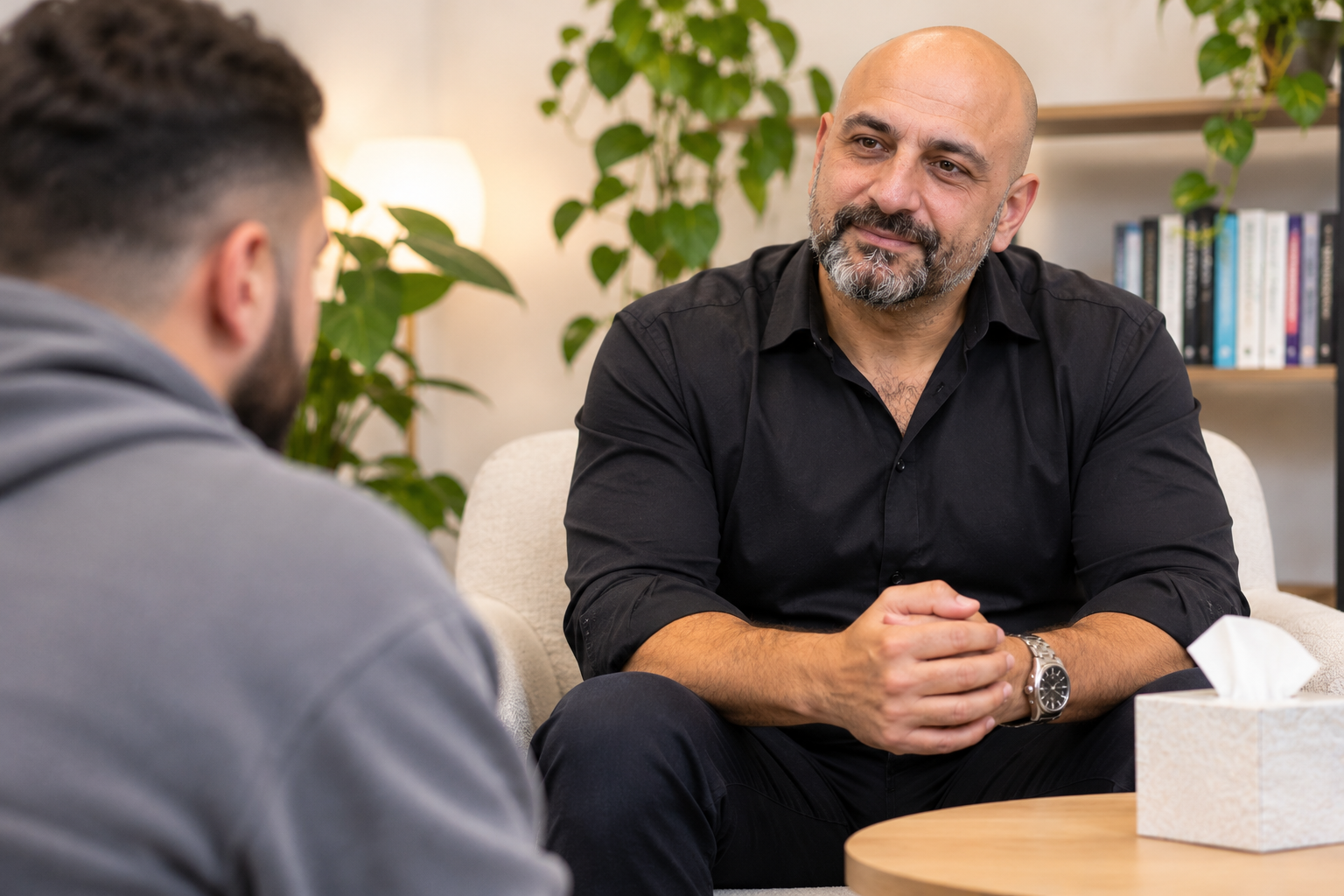
Cannabis addiction therapy provides an opportunity to explore your relationship with cannabis in a supportive and non-judgemental environment.
At Advance Minds, drug and alcohol counselling focuses on understanding what sits underneath substance use, rather than simply telling someone to stop.
Counselling may involve several areas.
Understanding Your Triggers
You can explore the situations, people, emotions and routines that contribute to your cannabis use.
Recognising these patterns can help you identify when you may be most vulnerable to cravings.
Developing Healthier Coping Strategies
If cannabis has become your main way of managing stress, anxiety or difficult emotions, counselling can help you explore alternative strategies.
These might include emotional regulation, problem-solving, relaxation techniques and healthier daily routines.
Addressing Underlying Mental Health Difficulties
Some people use cannabis while experiencing anxiety, depression, trauma or ongoing emotional distress.
Understanding these difficulties is important because simply removing cannabis may not resolve the challenges that contributed to its use.
Where appropriate, counselling can address substance use and mental health concerns together.
Building a Relapse Prevention Plan
Recovery is not always a straight line.
Counselling can help you identify high-risk situations, prepare for cravings and understand what may have contributed to a return to use.
If a setback happens, it can be an opportunity to review your approach rather than treating it as proof that recovery is impossible.
Rebuilding Relationships and Everyday Life
Cannabis dependence can affect family relationships, employment, finances and personal confidence.
Working towards recovery may involve rebuilding trust, improving communication and reconnecting with activities and responsibilities that have become difficult to maintain.
Do You Have to Stop Using Cannabis Before Starting Counselling?
No.
One of the important things to understand is that you do not need to have stopped using cannabis before asking for professional support.
You may still be using daily, feel uncertain about quitting or simply want to understand whether your cannabis use has become a problem.
Counselling can begin wherever you are currently at.
The first step is often an honest conversation about your use, what it provides for you, what difficulties it creates and what you would like to change.
From there, you can work towards realistic goals that reflect your circumstances.
How Advance Minds Can Help With Cannabis Addiction
At Advance Minds Counselling & Mental Health Services, we provide drug and alcohol counselling for people experiencing difficulties with cannabis and other substances.
Our approach recognises that addiction is not simply about stopping a behaviour. It is about understanding the reasons behind it and developing healthier ways to manage life without relying on substances.
Counselling can help you:
* Understand your cannabis use and dependence.
* Identify emotional and behavioural triggers.
* Develop practical strategies for managing cravings.
* Address underlying stress, anxiety and mental health difficulties.
* Work towards reducing or stopping cannabis use.
* Build a plan for maintaining longer-term recovery.
* Address the impact of addiction on relationships and family life.
Appointments are available in person at our Bankstown practice in Sydney and online through secure video appointments across Australia.
You do not need to wait until cannabis has seriously affected your life before seeking support.
You Don’t Have to Let Cannabis Control Your Future
If cannabis has become part of your everyday routine and you are finding it difficult to stop, it may be time to take a closer look at what is happening.
You might feel frustrated with yourself, worried about how your habits are affecting your family or uncertain about what life would look like without cannabis.
These feelings are understandable.
Recovery does not require you to have everything figured out before you begin. It starts with recognising that something needs to change and being willing to explore the support available.
At Advance Minds, we provide a confidential and non-judgemental environment where you can talk openly about your cannabis use and work towards meaningful change.
If you are ready to take the first step, contact Advance Minds to discuss cannabis addiction counselling in Bankstown or online across Australia.


Advance Minds Blog
A safe space to explore subjects within the community such as mental health, substance abuse and personal identity.
Our safe space also provides the opportunity for real individuals to express their hardships and success through writing.
Are you in crisis?
- In an emergency, call 000
- Lifeline 13 11 14
- 1800RESPECT 1800 737 732
- Beyond Blue 1300 224 636
- Suicide Call Back Service 1300 659 467