

Trauma and everyday life
Why Trauma Can Make Everyday Life Feel Harder Than It Used to

Why Trauma Can Make Everyday Life Feel Harder Than It Used to
Have you ever wondered why situations that once felt manageable now leave you feeling overwhelmed, anxious or emotionally exhausted?
Perhaps you find yourself overthinking conversations, struggling to trust people, becoming easily irritated or feeling uncomfortable even when nothing appears to be wrong.
For some people, these experiences can be connected to trauma.
Trauma is not always something that remains in the past. Difficult or frightening experiences can influence how a person responds to everyday situations, relationships and challenges long after the original experience has ended.
Understanding these responses can be an important first step towards seeking support and feeling more in control of your life.
What Is Trauma, and How Can It Affect You?
Trauma can develop following experiences that overwhelm a person’s ability to cope or leave them feeling unsafe, powerless or threatened.
These experiences can include childhood neglect, family violence, emotional abuse, sexual assault, accidents, medical experiences, grief or prolonged exposure to stressful situations.
Not everyone responds to difficult experiences in the same way. Two people can experience similar events and have very different emotional responses.
For some, the effects may become noticeable immediately. For others, difficulties may emerge years later or become more apparent during periods of additional stress.
Trauma can affect how people understand themselves, relate to others and respond to situations that remind them of earlier experiences.
Importantly, experiencing these difficulties does not mean that something is wrong with you.
5 Ways Unresolved Trauma Can Affect Everyday Life
1. Constantly Overthinking Situations
You might find yourself analysing conversations long after they have finished.
A simple comment from someone else may leave you wondering whether you said something wrong or whether they are upset with you.
You may replay situations in your mind, anticipate negative outcomes or feel the need to prepare for problems that have not happened.
For some people, this can be connected to having experienced situations where they previously needed to stay alert to other people’s behaviour.
2. Difficulty Trusting Other People
Past experiences can influence how safe you feel around others.
You might struggle to accept reassurance, question people’s intentions or find it difficult to become emotionally close to someone.
Even when another person treats you with kindness and respect, allowing yourself to trust them may feel uncomfortable.
This can affect friendships, family relationships and romantic partnerships.
Building trust again often involves developing a greater understanding of your emotional responses and recognising what makes relationships feel safe and respectful.
3. Becoming Easily Irritated or Emotionally Overwhelmed
Some people notice that their emotional reactions become stronger than they expect.
A small disagreement, unexpected change or stressful situation may trigger frustration, anger, anxiety or sadness.
You might find yourself withdrawing from conversations, becoming defensive or feeling emotionally exhausted afterwards.
These reactions can sometimes occur when the body is responding to a reminder of an earlier experience.
Learning to recognise triggers and understand your emotional responses can help you develop healthier ways of managing difficult situations.
4. Struggling to Feel Comfortable in Relationships
Trauma can influence how people communicate, connect and respond to emotional closeness.
You might find yourself:
* Avoiding difficult conversations.
* Becoming anxious when someone is upset with you.
* Finding it difficult to express your needs.
* Feeling uncomfortable when someone gets too close.
* Expecting relationships to end badly.
* Struggling to establish healthy boundaries.
These patterns are not necessarily conscious decisions.
Counselling can help you understand where these responses may come from and explore ways to develop healthier relationship patterns.
5. Feeling Disconnected From Yourself
Another experience people sometimes describe is feeling emotionally numb or disconnected.
You may struggle to identify what you are feeling, lose interest in activities you previously enjoyed or feel as though you are going through the motions of everyday life.
Some people describe feeling distant from their surroundings or disconnected from other people.
This experience can have several possible causes, including prolonged stress, anxiety and trauma-related difficulties.
It is worth seeking professional support if these feelings continue or begin affecting your daily functioning.
Why Does Trauma Sometimes Affect You Years Later?
One of the confusing aspects of trauma is that its effects do not always follow a predictable timeline.
You might have spent years managing your responsibilities, maintaining relationships and continuing with everyday life.
Then something changes.
A new relationship, becoming a parent, experiencing a loss or going through a stressful period may bring difficult emotions closer to the surface.
Sometimes, a particular situation can remind you of an earlier experience without you immediately recognising the connection.
This does not mean you have failed to move forward.
It may mean there are experiences or emotional responses that deserve attention and support.
Understanding what is happening in the present can be a useful starting point.
Can Trauma Therapy Help You Move Forward?
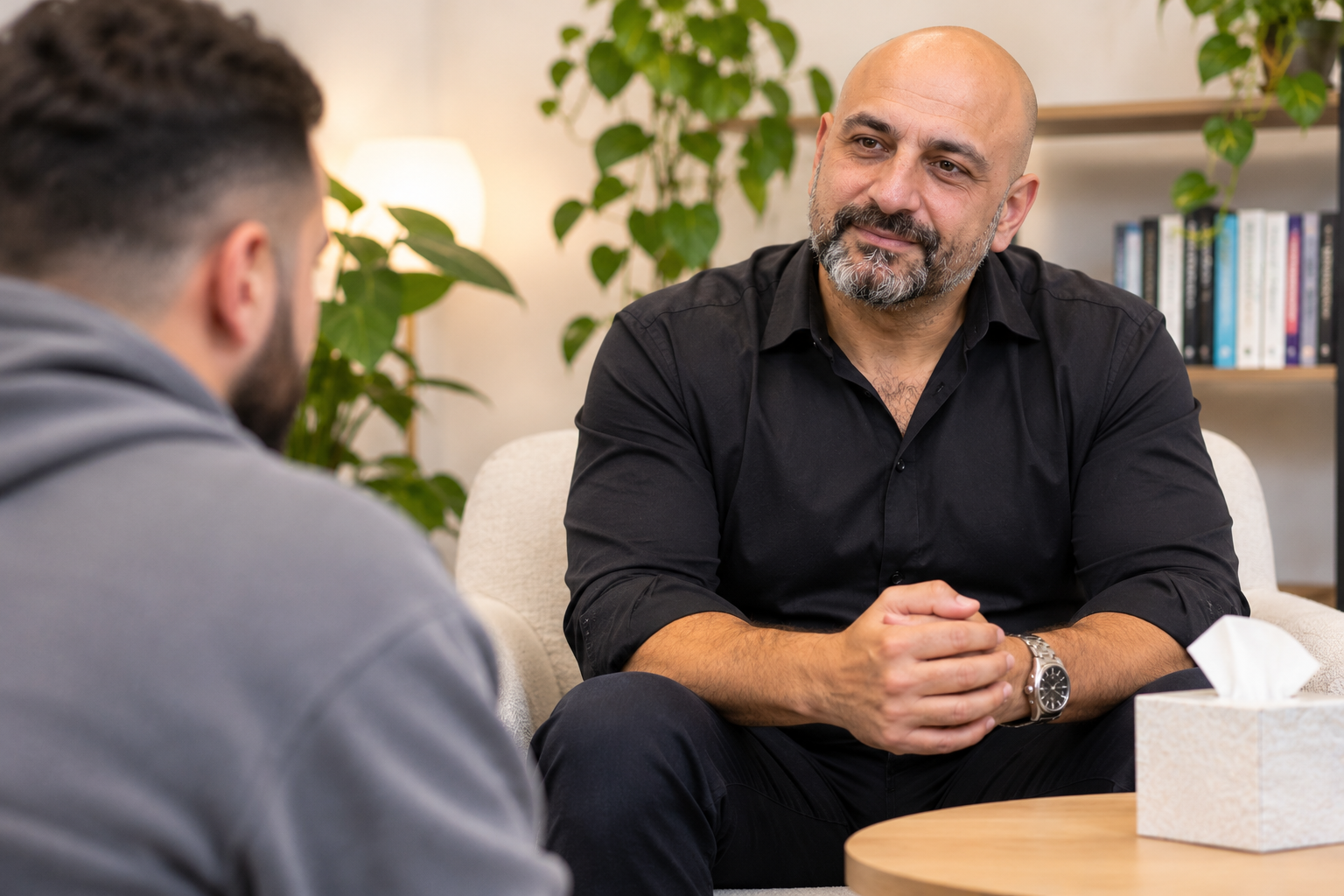
Trauma therapy can provide a supportive environment to understand how past experiences may be affecting your current life.
The aim is not to force you to revisit everything that has happened or expect you to talk about experiences before you are ready.
A trauma-informed approach recognises the importance of emotional safety, choice and control.
Depending on your circumstances, counselling may focus on:
Understanding your triggers
Recognising situations, thoughts or interactions that bring up strong emotional responses.
Developing emotional regulation skills
Learning practical ways to manage anxiety, frustration and overwhelming emotions.
Building healthier coping strategies
Finding alternatives to avoidance, withdrawal or behaviours that may no longer be helping you.
Improving relationships
Understanding how past experiences influence communication, trust, boundaries and emotional connection.
Rebuilding confidence
Developing a stronger sense of personal control and confidence in everyday decisions.
Progress does not need to happen all at once. Small changes can make an important difference over time.
Do You Have to Talk About What Happened to Benefit From Trauma Counselling?
This is one of the biggest concerns people have when considering trauma therapy.
Many people delay seeking support because they are worried they will be expected to describe painful experiences in detail.
However, you do not have to begin with the most difficult part of your past.
Early counselling can focus on what you are experiencing today, including sleep difficulties, emotional reactions, triggers and the situations that feel challenging.
You should have a say in what you discuss, when you discuss it and when you need to pause.
At Advance Minds, trauma counselling is guided by your individual circumstances and readiness.
The process should feel supportive, respectful and appropriately paced.
Taking the First Step Towards Trauma Recovery
Living with the effects of trauma can be exhausting, particularly when you do not understand why certain situations affect you so strongly.
You may have spent years trying to manage everything independently, avoiding certain situations or telling yourself that you should simply move on.
But you do not have to work through everything alone.
Seeking support does not mean you are weak, and it does not mean you need to have all the answers before your first appointment.
It is an opportunity to understand yourself better, develop practical coping strategies and work towards a greater sense of emotional wellbeing.
How Advance Minds Can Help
Advance Minds provides trauma therapy and counselling in Bankstown, Sydney, as well as online through secure video appointments across Australia.
Our approach recognises that every person’s experiences are different.
Counselling can help you understand the impact of difficult experiences, identify triggers, develop emotional regulation skills and work towards healthier coping strategies.
You do not need a PTSD diagnosis or referral to enquire about counselling. Advance Minds does not diagnose PTSD or provide EMDR. Where a different specialist assessment or treatment is needed, appropriate options can be discussed.
If past experiences are affecting your everyday life, relationships or emotional wellbeing, support is available.
Contact Advance Minds to discuss trauma counselling and take a step towards feeling more confident, supported and in control of your future.


Advance Minds Blog
A safe space to explore subjects within the community such as mental health, substance abuse and personal identity.
Our safe space also provides the opportunity for real individuals to express their hardships and success through writing.
Are you in crisis?
- In an emergency, call 000
- Lifeline 13 11 14
- 1800RESPECT 1800 737 732
- Beyond Blue 1300 224 636
- Suicide Call Back Service 1300 659 467