

Services / Anxiety, depression and trauma
Trauma therapy
At your pace, with control over what you talk about and when. You do not have to start with the worst part.
What trauma counselling is
Trauma is not really about the event. It is about what your body did to survive it, and the fact that it never fully stood down afterwards. That is why it shows up years later as a startle response, as sleep that will not settle, as anger that arrives out of proportion, or as a numbness that makes ordinary life feel like it is happening behind glass.
Most people arrive having managed it for a long time, and having become very good at avoiding whatever sets it off. That works, until the perimeter keeps shrinking.
The work here starts with the present rather than the past: what is happening now, what triggers it, and what helps you come back down. Only once that is steadier does the past get approached, and always at a pace you set. You are not going to be walked into the worst thing that ever happened to you in session one to prove you are committed.
What it helps with
- Flashbacks, intrusive memories and nightmares
- Being permanently on alert, and startling easily
- Avoiding places, people and reminders
- Numbness, and feeling at a distance from your own life
- Childhood trauma and neglect
- Family violence and sexual assault
- Accidents, medical trauma and traumatic birth
- Trauma carried through work, including first responders
Common questions
Do I have to talk about what happened?
Not before you are ready, and not in detail to be helped. This is the single most common reason people put off trauma counselling for years. Early sessions are usually about steadying the present: sleep, triggers, what happens in your body, what helps you come back down. The account of the event itself comes later, at your pace, and some of the work never requires it at all.
Does what happened to me count as trauma?
Probably, and the comparison you are making is not a useful one. Trauma is not ranked by how bad the event sounds to somebody else; it is about what it did to your nervous system and what you were left holding afterwards. A childhood of never feeling safe, a bad birth, an accident, a medical event, sustained bullying, one frightening night, or years of someone else's rage all show up in the same ways.
What if I do not remember much of it?
That is normal rather than an obstacle. Memory of frightening events is often fragmented, out of order, or missing altogether, particularly from childhood. The work does not depend on reconstructing an accurate account, and nobody here is going to go looking for memories or tell you what must have happened.
Will talking about it make it worse?
Done badly and too fast, it can, which is exactly why pacing matters and why you keep control of it. A session can be stopped, slowed down or steered elsewhere at any point, and you are not obliged to finish a sentence you have started. Feeling stirred up for a day or two after a difficult session is common; being wrecked by it is a sign the pace is wrong and needs to be said out loud.
Do I need a PTSD diagnosis?
No, and you do not need a referral. Advance Minds does not diagnose PTSD; that sits with a GP, psychologist or psychiatrist. You can book directly and describe what is happening in your own words.
Do you offer EMDR or another named trauma method?
We do not provide EMDR. We provide trauma-informed counselling using a range of evidence-based approaches tailored to each person's needs.
Rather than relying on a single therapy model, we focus on helping you understand the impact of trauma, develop emotional regulation skills, work through underlying issues, build healthier coping strategies, and move towards long-term recovery in a safe and supportive environment.
If, after an initial assessment, we think a different approach or a specialist service would suit you better, we will say so and point you towards it.
Can I bring someone with me?
To the building or onto the call, yes, and plenty of people do for the first appointment. Whether they stay in the room is worth thinking about, since it changes what you will say. It can be discussed at the start and changed later.
Can I see a woman?
Yes. Aisha specialises in trauma and works with women and LGBTQIA+ clients, and you can book with her directly rather than being allocated to whoever is available. For a great many people this is the difference between attending and not attending, and it is not a preference anybody needs to justify.
Can sessions be online?
Yes, by secure video anywhere in Australia, and being in your own space with your own exit is something many people prefer for this work. In-person sessions are available in Bankstown.
Who you'd be working with

Aisha Homsi
Women's & Trauma Counselling
Aisha specialises in trauma recovery, offering a safe and non-judgemental space for women and LGBTQIA+ clients to process difficult experiences and rebuild confidence. She also works with children on coping skills and emotional awareness.
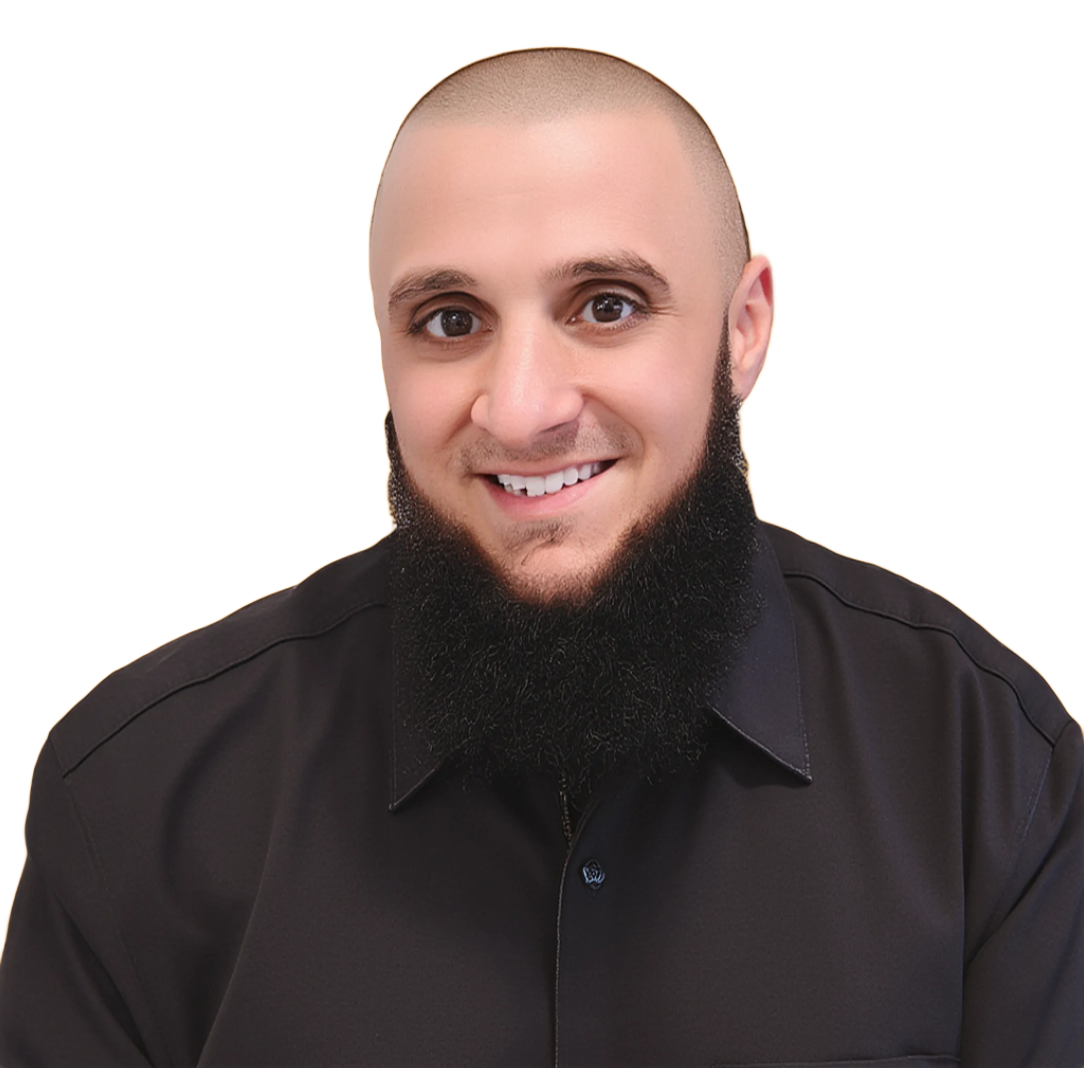
Shuv Homsi
Lead Therapist · ACA-Registered Clinical Supervisor
Shuv works with trauma alongside substance use and relationship difficulty, which matters because the three are so often tangled together. Empathy and authenticity first, then practical strategies that hold up in real life.
You will be allocated to the therapist who best meets your needs once you have booked. You do not have to work out who you need to see before you have spoken to anybody.
Related
Not sure if this is the right place to start?
Book an appointment and say as much or as little as you want to. You do not have to work out what you need, or who you need to see, before you book.
Before you book: the form asks for a few details, including an emergency contact. If you do not have a diagnosis, writing "none" is a perfectly good answer. And if you are booking for someone else, say so in the "relationship to client" field and we will work it out from there. If there is a particular therapist you would like to see, put their name in the "Additional Information" box and we will take it into account.
Reviews
What our clients think
Are you in crisis?
- In an emergency, call 000
- Lifeline 13 11 14
- 1800RESPECT 1800 737 732
- Beyond Blue 1300 224 636
- Suicide Call Back Service 1300 659 467