

How Infidelity Impacts Self-Esteem and Mental Health
Explore how infidelity can affect confidence, anxiety, depression, and emotional wellbeing.
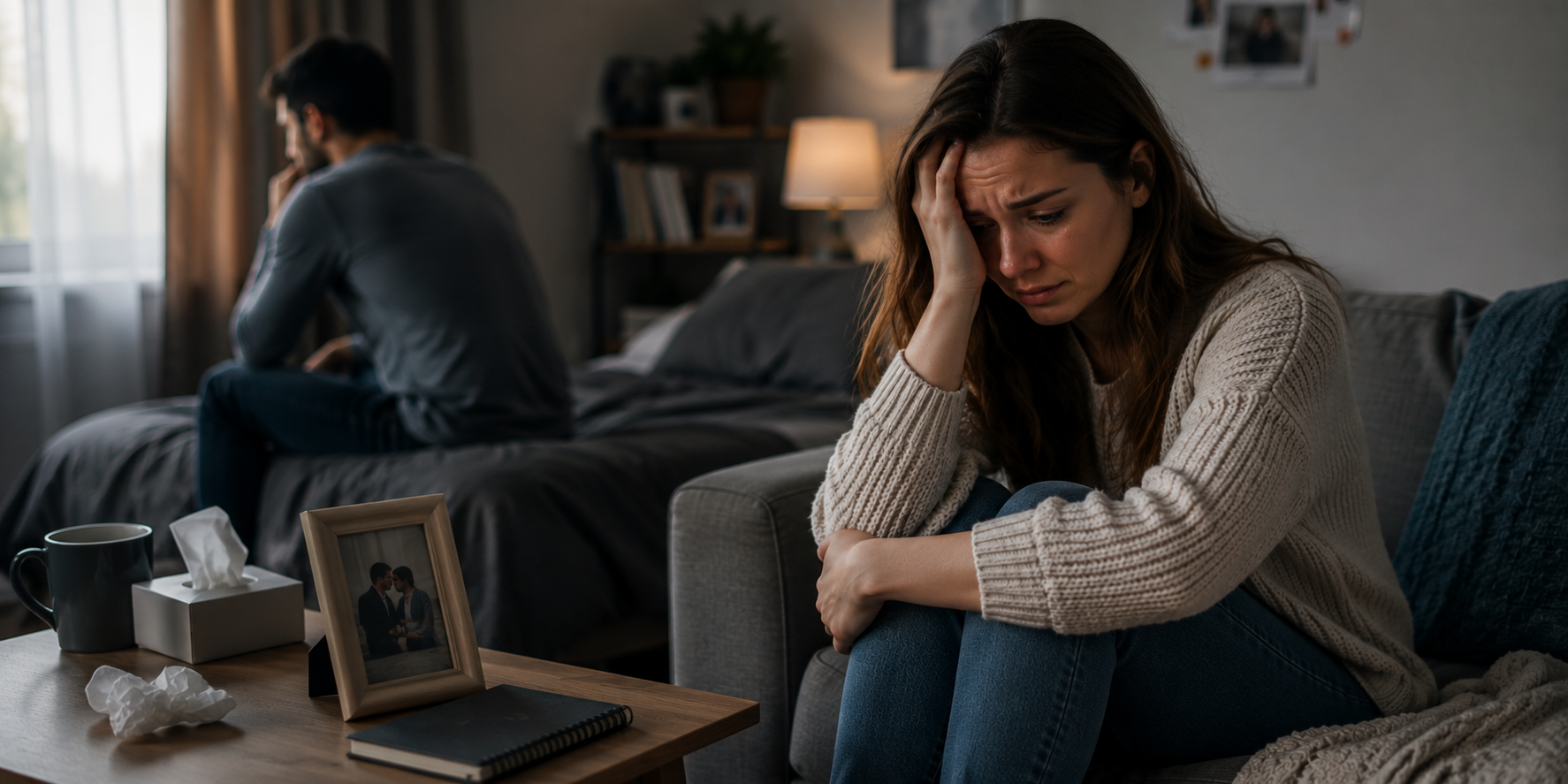
🌿 How Infidelity Impacts Self-Esteem and Mental Health
Few relationship experiences are as emotionally painful as discovering that a partner has been unfaithful. Beyond the immediate shock and heartbreak, infidelity can have a profound effect on a person's mental health, self-esteem, and overall sense of wellbeing.
Many people describe feeling as though their confidence has been shattered overnight. Questions about trust, self-worth, and personal identity often emerge, making recovery a complex emotional journey.
Understanding the emotional impact of cheating can help individuals recognise their reactions, reduce self-blame, and begin the healing process with greater self-compassion.
💞Why Infidelity Hurts So Deeply
Romantic relationships are built on trust, emotional safety, and connection. When a partner cheats, those foundations can be suddenly and unexpectedly broken.
Infidelity often challenges:
- Your sense of security
- Your trust in others
- Your confidence in yourself
- Your beliefs about the relationship
Your plans for the future
🧠 Moving Forward After Betrayal
The emotional impact of cheating can be overwhelming. Feelings of anxiety, sadness, anger, and self-doubt are common responses to a profound breach of trust.
However, while infidelity may change your life, it does not define your worth.
Healing involves recognising that your value remains intact, even when someone else's actions have caused pain. With support, self-compassion, and time, it is possible to recover emotionally, rebuild confidence, and move forward with renewed strength.
🧠 Common Mental Health Effects of Infidelity
The discovery of an affair can trigger a wide range of emotional and psychological responses. Many people experience symptoms similar to those associated with trauma.
Common mental health effects include:
🔹 Anxiety and constant worry
🔹 Depression and persistent sadness
🔹 Difficulty concentrating
🔹 Sleep disturbances or insomnia
🔹 Mood swings
🔹 Increased stress levels
🔹 Emotional numbness
🔹 Loss of motivation
Some individuals may also find themselves replaying events repeatedly in an attempt to understand what happened and why.
💔 How Infidelity Affects Self-Esteem
One of the most damaging consequences of betrayal is the impact it can have on self-worth.
Many people begin asking themselves painful questions such as:
❓ "Was I not enough?"
❓ "What did I do wrong?"
❓ "Am I unattractive or unlovable?"
While these reactions are understandable, it is important to remember that another person's decision to be unfaithful is not a reflection of your value as a person.
Infidelity is a choice made by the person who cheats. It is not proof that you are inadequate.
🚨 The Danger of Self-Blame
After discovering an affair, many betrayed partners look inward and assume responsibility for the situation.
They may believe:
❌ "If I had been more attentive..."
❌ "If I had looked different..."
❌ "If I had tried harder..."
While relationships can experience challenges, responsibility for cheating belongs to the person who made that choice.
Recognising the difference between relationship issues and personal accountability is an important step toward healing.
🌱 Rebuilding Confidence After Betrayal
Recovering self-esteem takes time, but healing is possible.
Helpful steps may include:
✅ Practicing self-compassion
✅ Reconnecting with supportive friends and family
✅ Engaging in hobbies and interests
✅ Setting healthy boundaries
✅ Prioritising physical and emotional wellbeing
✅ Seeking professional counselling when needed
Every small step toward self-care can help rebuild confidence and restore a sense of control.
🤝 When to Seek Professional Support
The emotional aftermath of infidelity can feel overwhelming, especially when feelings of anxiety, depression, or low self-worth persist.
A qualified therapist can help you:
✔️ Process difficult emotions
✔️ Challenge negative self-beliefs
✔️ Develop healthy coping strategies
✔️ Rebuild self-confidence
✔️ Navigate decisions about the future of the relationship
Seeking support is not a sign of weakness—it is a powerful step toward recovery.
🌟 Final Thoughts
Infidelity can deeply impact self-esteem and mental health, leaving lasting emotional wounds that take time to heal.
However, betrayal does not determine your worth. Your value is not defined by someone else's choices.
With patience, support, and self-compassion, it is possible to regain confidence, restore emotional wellbeing, and move forward stronger than before. 💙



Advance Minds Blog
A safe space to explore subjects within the community such as mental health, substance abuse and personal identity.
Our safe space also provides the opportunity for real individuals to express their hardships and success through writing.
Are you in crisis?
- In an emergency, call 000
- Lifeline 13 11 14
- 1800RESPECT 1800 737 732
- Beyond Blue 1300 224 636
- Suicide Call Back Service 1300 659 467