

When Gambling Becomes a Secret in Your Relationship
How hidden gambling, financial pressure and broken trust can affect relationships, and where to begin when you are ready for change.
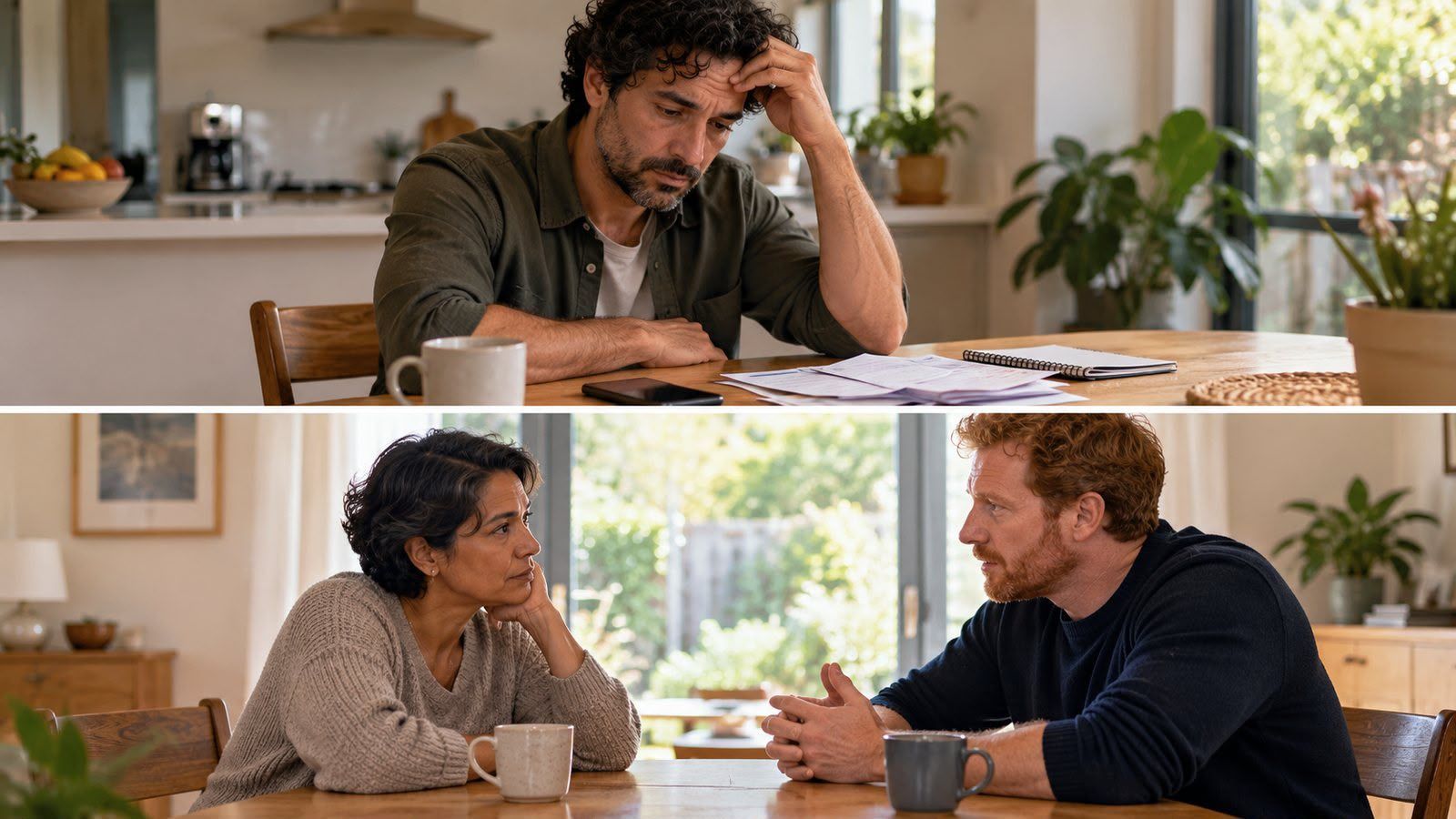
Gambling does not always become a relationship problem because of the money lost. Sometimes the deeper damage comes from what happens around the gambling: secrecy, broken promises, emotional distance and the growing feeling that you no longer know what is happening in your own relationship.
A partner may discover unexplained transactions, hidden debts or repeated betting activity. The person gambling may feel trapped between wanting to stop and fearing the consequences of telling the truth.
When gambling begins affecting trust, financial security or emotional wellbeing, it is worth seeking support. You do not have to wait until the relationship reaches breaking point.
Why gambling becomes difficult to talk about
Gambling can begin as entertainment, excitement or a way to escape everyday pressure. For some people, it gradually becomes harder to control.
A person might begin chasing losses, believing another bet will recover the money already spent. As losses increase, shame and fear may make honesty more difficult.
This can create a painful cycle:
1. Gambling leads to financial or emotional consequences.
2. The person feels ashamed or frightened.
3. They hide the behaviour to avoid confrontation.
4. Their partner becomes suspicious or distressed.
5. Relationship conflict increases.
6. Gambling may become another way to escape uncomfortable feelings.
Not everyone follows this pattern, but understanding it can help couples recognise why arguments alone may not resolve the underlying problem.
The emotional impact on the partner
Discovering hidden gambling can affect a person’s sense of security.
The partner may begin questioning financial decisions, previous explanations and promises that once seemed reliable.
Common reactions include anger, anxiety, disappointment, confusion and grief.
Some partners become increasingly watchful. They may feel compelled to check bank accounts, ask repeated questions or monitor spending.
Although these reactions can develop from understandable concerns, constant monitoring can create additional tension and emotional exhaustion.
The partner affected by gambling deserves support in their own right, regardless of whether the person gambling chooses to seek help.
Why promises to stop are not always enough
A person may sincerely promise to stop gambling and still struggle with urges, established habits or the emotional situations associated with betting.
This does not excuse dishonesty or financial harm. It does mean that lasting change usually requires more than reassurance.
Practical steps may include:
* Identifying situations that trigger gambling urges.
* Removing betting applications and reducing access to gambling websites.
* Exploring voluntary self-exclusion options.
* Developing alternative ways to manage stress and uncomfortable emotions.
* Seeking gambling counselling.
* Obtaining independent financial counselling where debts or financial instability are involved.
Australian services such as Gambling Help Online provide additional information and confidential support.
Rebuilding trust after gambling-related secrecy
Trust is rarely restored through one conversation.
A partner may want reassurance, while the person who has gambled may feel frustrated that their efforts are not immediately recognised.
Both experiences can exist without either person being unreasonable.
Start with accurate information
Where it is safe and appropriate, honest conversations about gambling behaviour and financial consequences are important.
Unexplained debts or ongoing undisclosed gambling can make rebuilding trust difficult.
Financial disclosure should be handled carefully, especially where there are concerns about coercion, intimidation or financial abuse.
Agree on practical boundaries
Boundaries might involve financial arrangements, household spending responsibilities and decisions about seeking professional support.
These arrangements should be realistic, voluntary and respectful of each person’s safety and independence.
Allow time for emotional recovery
The person affected may continue feeling anxious even after gambling has stopped.
This does not necessarily mean they are refusing to forgive. Their sense of security may need time and consistent behaviour to recover.
Focus on actions rather than repeated promises
Reliability is demonstrated through behaviour over time.
Attending counselling, following agreed financial arrangements and being willing to discuss difficult subjects can provide opportunities to rebuild confidence.
However, no counselling process can guarantee that trust or the relationship will be restored.
What if your partner refuses help?
You cannot force another adult to recognise a problem or participate meaningfully in counselling.
You can still seek support for yourself.
Individual counselling may help you explore boundaries, emotional wellbeing, financial concerns and decisions about the future.
If you share finances, consider independent financial advice or financial counselling before making significant decisions about debts or accounts.
If there is intimidation, threats or financial control, prioritise safety and seek specialist support rather than attempting to resolve the situation through ordinary couples conversations.
How gambling counselling can help
Gambling counselling can explore the emotional, behavioural and practical factors that maintain harmful gambling.
Depending on the person’s needs, sessions may focus on recognising triggers, managing urges, understanding avoidance, addressing shame and developing strategies to reduce gambling harm.
Relationship counselling may also help partners discuss the impact of gambling, communicate more constructively and consider what rebuilding trust would require.
Individual counselling and couples counselling serve different purposes. A practitioner can help consider which approach is appropriate, particularly when safety, coercion or significant conflict is involved.
When should you seek help?
Consider speaking with a professional when gambling is affecting:
* Household finances or essential expenses.
* Trust and honesty between partners.
* Emotional or physical wellbeing.
* Parenting or family responsibilities.
* Work, sleep or everyday functioning.
* Your ability to manage gambling urges.
You do not need a formal diagnosis before asking for support.
Gambling counselling in Bankstown
At Advance Minds, we provide gambling addiction counselling and relationship support for people experiencing gambling-related difficulties.
Our services are available in person in Bankstown and online across Australia.
Whether you are concerned about your own gambling or the impact of someone else’s behaviour, seeking support can help you consider practical next steps.
Learn more about gambling addiction counselling or contact Advance Minds to discuss an appointment.



Advance Minds Blog
A safe space to explore subjects within the community such as mental health, substance abuse and personal identity.
Our safe space also provides the opportunity for real individuals to express their hardships and success through writing.
Are you in crisis?
- In an emergency, call 000
- Lifeline 13 11 14
- 1800RESPECT 1800 737 732
- Beyond Blue 1300 224 636
- Suicide Call Back Service 1300 659 467