

Facebook Addiction: When Social Media Becomes an Unhealthy Habit
Recognising compulsive Facebook use, emotional dependence, online conflict and the impact of excessive scrolling on mental health and relationships.

Facebook Addiction: When Social Media Becomes an Unhealthy Habit
Facebook has been part of everyday communication for many years. It allows people to reconnect with friends, communicate with family, join communities, share experiences and follow current events.
However, for some individuals, Facebook use can gradually become excessive and difficult to control.
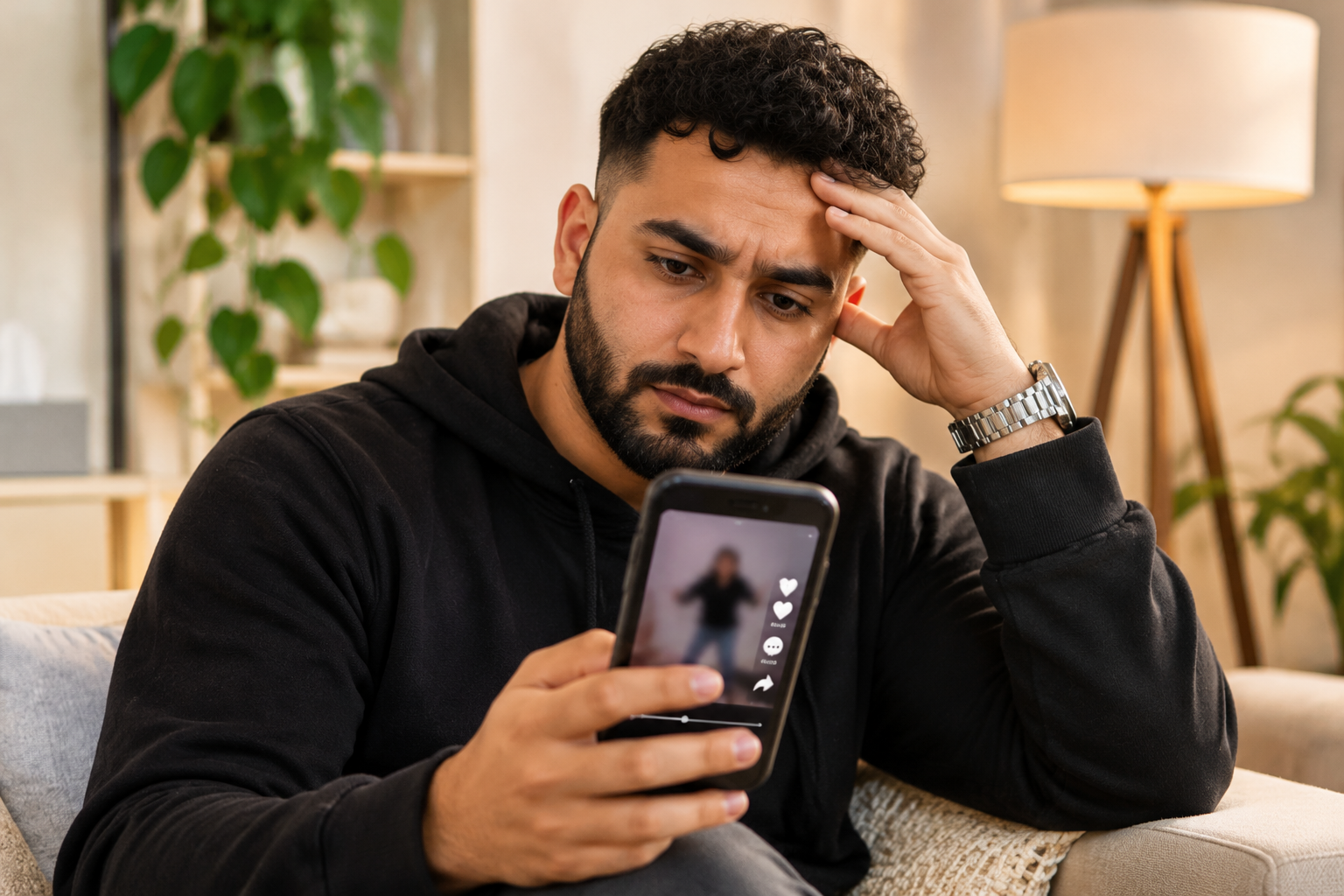
Constantly checking notifications, scrolling through news feeds, monitoring other people's activities and becoming involved in online discussions can consume significant amounts of time.
What begins as a simple way to stay connected can eventually interfere with sleep, productivity, relationships and emotional wellbeing.
For some people, Facebook also becomes a way of escaping loneliness, avoiding responsibilities or seeking reassurance through online interactions.
At Advance Minds Counselling & Mental Health Services, we recognise that problematic social media use can be connected to broader behavioural and emotional difficulties.
Understanding these patterns is an important step towards developing healthier habits.
What Is Facebook Addiction?
Facebook addiction is a commonly used term describing excessive or compulsive engagement with the platform that becomes difficult to manage.
Although it is not a formally recognised standalone clinical diagnosis, problematic Facebook use can become a behavioural concern when it repeatedly interferes with everyday functioning.
Individuals may find themselves checking Facebook without a specific purpose, repeatedly refreshing their news feed or spending much longer online than they intended.
Some may experience frustration when they cannot access the platform or feel compelled to monitor what other people are doing.
Why Can Facebook Become Difficult to Stop Using?
Several psychological and behavioural factors can contribute to excessive Facebook use.
Social connection and validation
Facebook provides opportunities to receive comments, likes, messages and social attention.
For individuals who feel lonely or disconnected, these interactions can become an important source of reassurance.
Fear of missing out
People may feel they need to remain constantly updated about friends, family, community events and current discussions.
Habit formation
Repeatedly checking Facebook throughout the day can become an automatic response to boredom or inactivity.
Emotional avoidance
Some individuals use Facebook to distract themselves from stress, relationship difficulties, loneliness or uncomfortable emotions.
Online conflict
Arguments, disagreements and controversial discussions can encourage repeated checking and emotional engagement.
Warning Signs of Unhealthy Facebook Use
You may want to reconsider your relationship with Facebook if you:
- Check Facebook repeatedly without a specific reason.
- Spend hours scrolling through your news feed.
- Feel uncomfortable when you cannot access the platform.
- Prioritise Facebook over important responsibilities.
- Experience frustration when posts receive little attention.
- Become emotionally affected by other people's comments.
- Regularly compare your life with other users.
- Stay awake late checking updates.
- Experience arguments with family or partners about social media use.
- Find it difficult to enjoy activities without checking your phone.
The important consideration is whether Facebook use is interfering with your ability to manage everyday life.
How Excessive Facebook Use Can Affect Mental Health
Increased stress and anxiety
Constant notifications, online disagreements and exposure to distressing information can contribute to emotional stress.
Loneliness and social disconnection
Although Facebook creates opportunities for online interaction, excessive use may reduce time spent developing meaningful face-to-face relationships.
Negative thinking and comparison
Seeing other people's achievements, relationships and lifestyles can contribute to feelings of inadequacy.
Reduced productivity
Frequent interruptions from Facebook can affect concentration and make it difficult to complete work, study and household responsibilities.
Sleep difficulties
Using Facebook late at night can interfere with healthy sleeping routines.
Relationship conflict
Disagreements about online interactions, privacy, friendships and time spent on social media can create tension between partners.
Practical Ways to Reduce Facebook Dependency
Developing healthier social media habits requires awareness, consistency and realistic boundaries.
Here are some strategies to consider:
- Establish specific times when you allow yourself to check Facebook.
- Turn off unnecessary notifications.
- Avoid using Facebook during meals and family time.
- Keep your phone away from your bed.
- Reduce exposure to accounts and discussions that negatively affect your mood.
- Spend more time developing face-to-face relationships.
- Identify whether you use Facebook when feeling lonely, stressed or bored.
- Replace unnecessary scrolling with meaningful activities.
- Avoid becoming involved in online arguments that negatively affect your emotional wellbeing.
- Regularly review your screen-time habits and make adjustments.
Small changes can help you regain control over your attention and daily routine.
Is Facebook Becoming an Escape From Real Life?
One important question worth considering is why you reach for Facebook in the first place.
Are you genuinely interested in what you are viewing, or are you using the platform to avoid something happening in your life?
Some individuals repeatedly turn to social media when experiencing:
- Relationship difficulties.
- Loneliness or social isolation.
- Anxiety and stress.
- Low self-esteem.
- Boredom or lack of purpose.
- Difficulty managing uncomfortable emotions.
If Facebook has become a way of avoiding these experiences, reducing screen time alone may not address the underlying issue.
Understanding the emotional triggers behind the behaviour can be an important part of creating lasting change.
How Professional Counselling Can Help
If excessive Facebook use is affecting your mental health, relationships or daily responsibilities, professional counselling may provide valuable support.
At Advance Minds Counselling & Mental Health Services, counselling can help individuals explore the emotional and behavioural factors contributing to problematic social media use.
Therapeutic support may focus on:
- Identifying triggers behind excessive social media use.
- Understanding emotional avoidance and unhealthy habits.
- Improving emotional regulation.
- Addressing anxiety and low self-esteem.
- Developing healthier coping mechanisms.
- Establishing appropriate boundaries with technology.
- Improving communication and relationship satisfaction.
- Building healthier daily routines.
The aim is not simply to spend less time online. It is to develop a healthier relationship with technology while improving your overall quality of life.
Reconnect With Life Beyond the Screen
Facebook can be a useful communication tool, but it should not become the centre of your daily life.
Your relationships, personal development, mental health and real-world experiences deserve your attention.
You deserve to enjoy meaningful conversations without constantly checking your phone. You deserve to spend time with loved ones without feeling the need to monitor online activity.
Most importantly, you deserve to feel comfortable with yourself without relying on online attention or approval.
If you are finding it difficult to manage your social media habits, professional support can help you understand the underlying behaviours and develop healthier ways forward.
Advance Minds Counselling & Mental Health Services
Our team provides professional counselling and mental health support to individuals and couples looking to improve their emotional wellbeing, strengthen relationships and make positive changes.
You do not have to wait until unhealthy habits begin affecting every area of your life before seeking help.
Click the Book Now button on our website to book your appointment with Advance Minds.


Advance Minds Blog
A safe space to explore subjects within the community such as mental health, substance abuse and personal identity.
Our safe space also provides the opportunity for real individuals to express their hardships and success through writing.
Are you in crisis?
- In an emergency, call 000
- Lifeline 13 11 14
- 1800RESPECT 1800 737 732
- Beyond Blue 1300 224 636
- Suicide Call Back Service 1300 659 467