

Services / Relationships and family
Conflict resolution counselling
The topic changes. The argument does not. This is work on the pattern underneath it.
What conflict resolution counselling is
Most people who come for this can recite their own argument. One raises something, the other hears criticism, one pushes harder, the other shuts down, and forty minutes later nobody can remember what started it. Same order, every time, whether the subject is money, the kids or a dishwasher.
Conflict resolution counselling works on that sequence rather than on the topic. What sets it off, what each person does next, what each is actually trying to protect, and where it could be interrupted. Once the pattern is visible it stops being who you are and starts being something you are doing, which is the point at which it can change.
The goal is not a household with no disagreement. It is being able to disagree, land on something, and still be on good terms afterwards.
What it helps with
- The same argument, on repeat, for years
- Rows that escalate faster than either of you intends
- Stonewalling, silence and walking out
- Going along with things and keeping score privately
- Money, parenting and in-law conflict
- Tension between parents and adult children
- Blended family and step-parenting friction
- Repairing after an argument instead of moving on from it
Common questions
Is this the same as mediation?
No. Mediation is aimed at reaching an agreement about a specific thing, often with a legal process behind it. This is counselling: the aim is to change how the two of you handle disagreement, so the next twenty arguments go differently rather than only this one. If what you need is a formal mediated agreement, say so and we will point you to the right service.
We only ever argue about one thing. Is that worth counselling?
Usually it is not one thing. Couples and families who argue about money, or the in-laws, or whose turn it was, are generally running one pattern through many different topics. The topic changes and the sequence does not. That sequence is what the sessions work on, which is why solving the argument you came in with rarely fixes anything on its own.
What if we do not argue at all, we just go quiet?
Withdrawal is conflict. It is simply conflict with the volume turned down, and it does as much damage over time as shouting does, sometimes more, because there is nothing to respond to. Silence, walking out, and going along with things while quietly keeping score are all in scope here.
Will the counsellor decide who is right?
No. Nobody is going to be declared correct. The work is on the pattern between you, not on the merits of the last argument, and both people should leave feeling heard. If one of you consistently does not, say so in the session, because that is useful information rather than a complaint.
Can this be used for conflict that is not with a partner?
Yes. Adult siblings, parents and adult children, blended families and business partners all use this work. Anyone in a relationship they cannot simply walk away from and cannot keep having the same fight inside.
Do we both have to come?
It helps, but no. One person changing their half of a pattern changes the pattern, because the sequence needs both parts to run. Plenty of people start alone, either because the other person will not come or because they want to work out their own position first.
If we attend separately, is what I say kept from the other person?
Yes. What you say in an individual session is kept confidential from the other person unless you authorise it to be shared. You decide what gets brought into a joint session and what does not.
Is joint counselling right if there is violence or fear involved?
No. If there is violence, fear or intimidation in the relationship, a joint session is not the right place to start and we would ask you not to book one. Sitting in a joint session can leave the person at risk in a worse position afterwards.
If that is your situation, please call one of the numbers at the foot of this page first. 1800RESPECT on 1800 737 732 is the national family violence and sexual assault line and is open 24 hours. Then book an individual appointment, so we can work out the right support with you.
Who you'd be working with
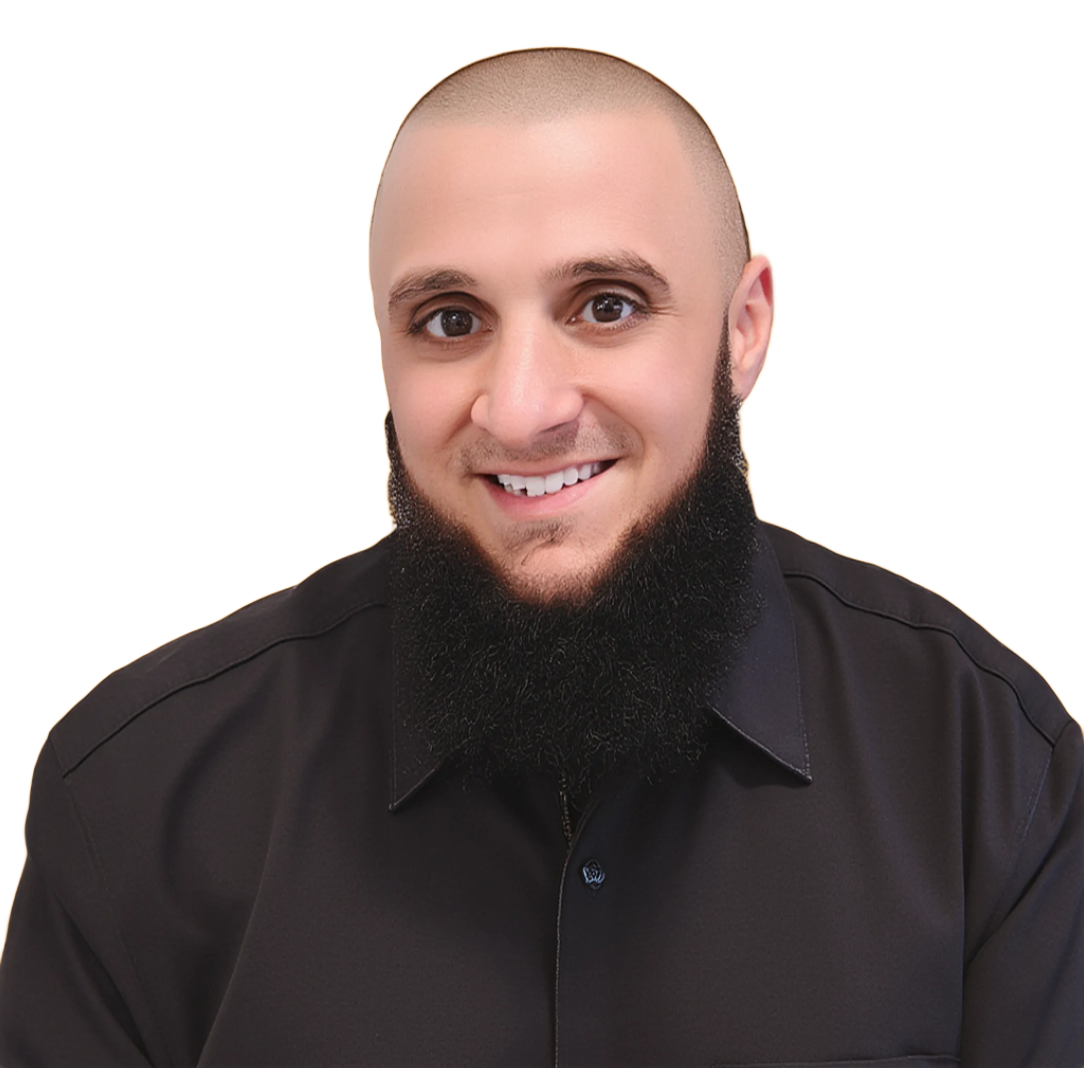
Shuv Homsi
Lead Therapist · ACA-Registered Clinical Supervisor
Shuv works with individuals, couples and families on relationship and marriage therapy, substance use and emotional wellbeing. His own journey through addiction and recovery shapes how he works: empathy and authenticity first, then practical strategies that hold up in real life.
You will be allocated to the therapist who best meets your needs once you have booked. You do not have to work out who you need to see before you have spoken to anybody.
Related
Not sure if this is the right place to start?
Book an appointment and say what is going on. You do not have to work out what you need, or who you need to see, before you book.
Before you book: the form asks for a few details, including an emergency contact. If you do not have a diagnosis, writing "none" is a perfectly good answer. And if you are booking for someone else, say so in the "relationship to client" field and we will work it out from there. If there is a particular therapist you would like to see, put their name in the "Additional Information" box and we will take it into account.
Reviews
What our clients think
Are you in crisis?
- In an emergency, call 000
- Lifeline 13 11 14
- 1800RESPECT 1800 737 732
- Beyond Blue 1300 224 636
- Suicide Call Back Service 1300 659 467