Addiction – Part 1: What is addiction?
Addiction is one of those words that’s often misunderstood.
People say they’re “addicted” to chocolate or social media, but real addiction runs much deeper.
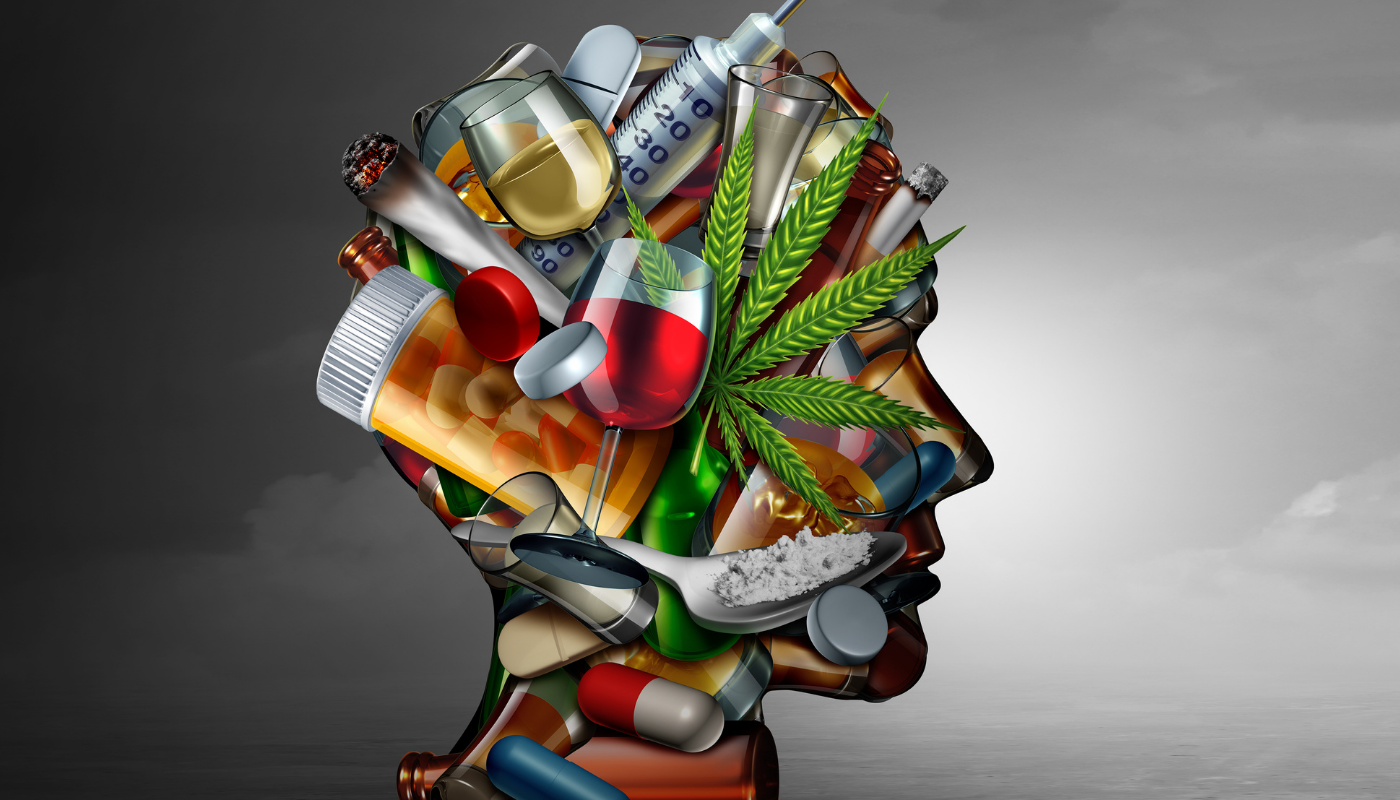
It’s not a habit or a bad choice—it’s a chronic condition that changes the brain and affects how a person thinks, feels, and behaves.
🧠 Understanding addiction beyond stereotypes
Addiction is not about weakness or lack of willpower.
It’s a complex brain disorder influenced by:
🧬 Genetic predisposition
🌪 Environmental stress and trauma
🧱 Emotional pain or mental health struggles
🔁 Repeated exposure to a substance or behavior
A person with addiction continues using despite negative consequences—not because they want to, but because they feel they have to.
⚖ The difference between use, misuse, and addiction
Not everyone who uses substances becomes addicted. There’s a spectrum:
🍷 Use – occasional, controlled, no significant harm
⚠️ Misuse – risky use that causes some problems
🧨 Addiction – compulsive use with lasting consequences
Understanding this difference helps reduce shame and opens the door to support.
🔥 How addiction changes the brain
Addiction affects the brain’s reward system, making it harder to feel pleasure from everyday things.
Over time, it impacts:
🧠 Decision-making and impulse control
❤️ Emotional regulation
😰 Stress and anxiety levels
🌀 Memory and motivation
This is why people can’t “just stop”—their brains have been rewired.
🧍 Why people turn to substances or behaviors
Addiction is often a coping strategy for pain that feels unbearable.
💔 Past trauma
😞 Depression or anxiety
👥 Loneliness or disconnection
💼 Pressure to perform or escape reality
Substances can temporarily numb the pain—but create deeper problems long-term.
💬 Counseling can help
Therapy creates a safe, supportive space to unpack the root causes of addiction—not just treat the symptoms.
🧠 Understand your triggers and patterns
🌱 Learn healthy coping strategies
🤝 Rebuild self-esteem and connection
🚪 Open the path to long-term healing
Counseling treats the whole person—not just the addiction.
🌿 Final thoughts 💞🌈
Addiction is not a moral failure.
It’s a health condition that deserves understanding, compassion, and evidence-based care.
With the right support, healing is possible.
You are not your addiction.
You are a person who deserves to heal, grow, and live fully—without shame, without judgment, and without fear.
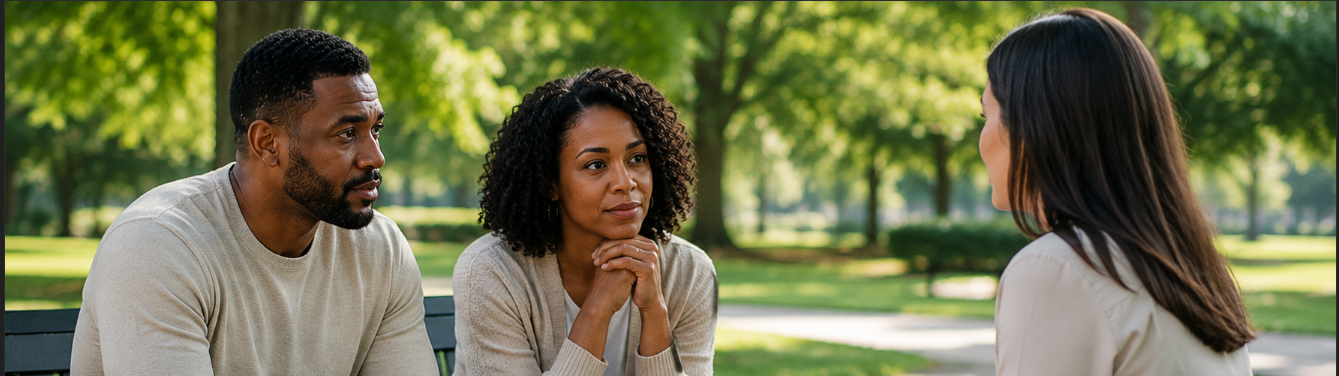


Advance Minds Blog
A safe space to explore subjects within the community such as mental health, substance abuse and personal identity.
Our safe space also provides the opportunity for real individuals to express their hardships and success through writing.
Are you in crisis?
- In an emergency, call 000
- Lifeline 13 11 14
- 1800RESPECT 1800 737 732
- Beyond Blue 1300 224 636
- Suicide Call Back Service 1300 659 467