

Why People Hide Their Alcohol Use: Understanding Shame, Secrecy and Recovery
Exploring the emotional reasons behind hidden drinking, how secrecy can affect relationships, and why lived experience can make addiction counselling feel more approachable.
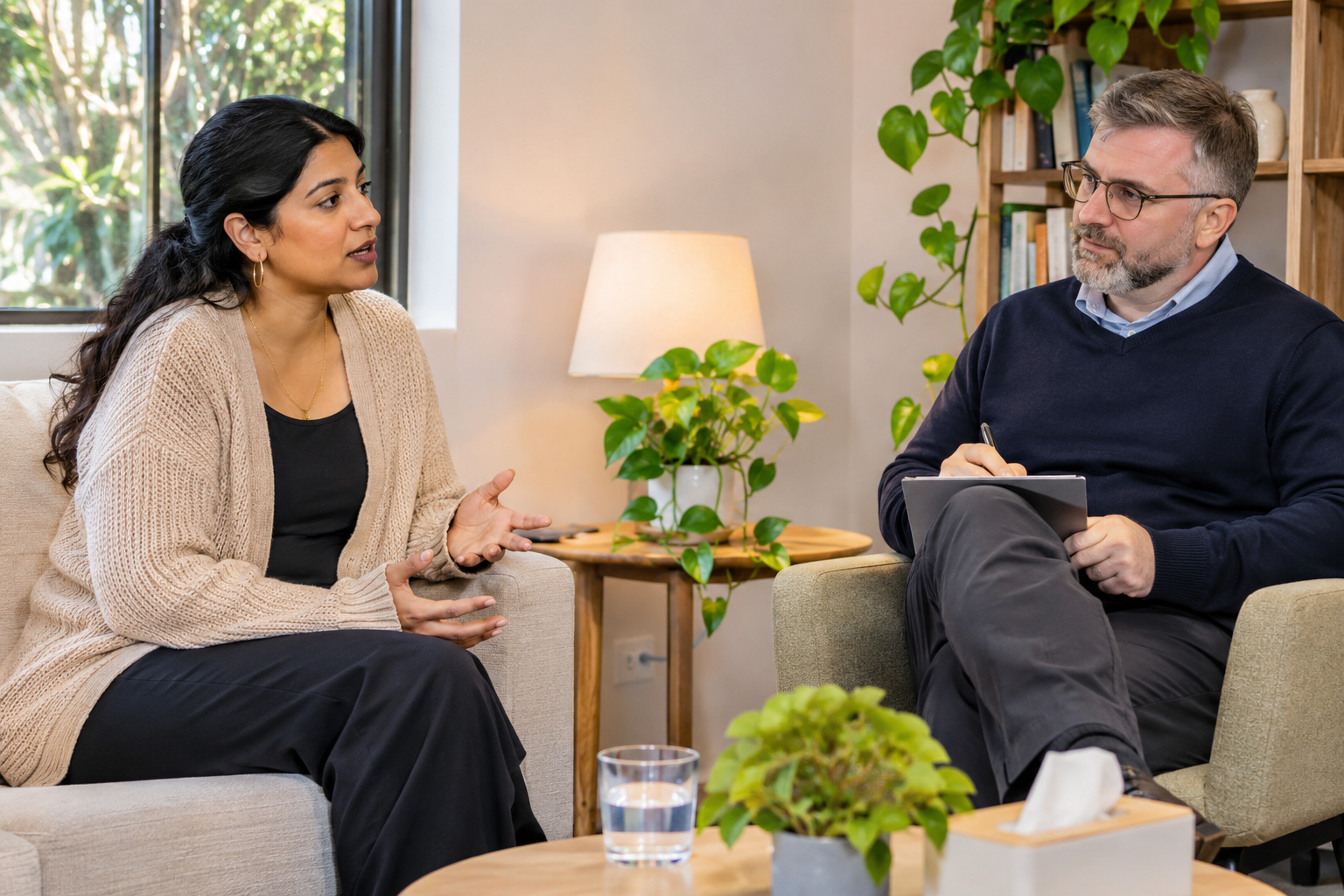
Alcohol difficulties are not always obvious to the people around us. Someone may continue working, maintain family responsibilities and appear to be managing everyday life while privately worrying about how much they drink.
They may hide bottles, minimise the amount they consume or promise themselves they will cut back without telling anyone.
For many people, secrecy develops alongside shame and fear of judgement.
At Advance Minds Counselling & Mental Health Services, we understand that speaking openly about alcohol use can be a difficult first step
.
Why Do People Hide Their Drinking?
People conceal alcohol use for different reasons.
Some fear disappointing their partner or family. Others worry about being labelled, losing trust or having to acknowledge that drinking has become difficult to control.
A person may also feel conflicted. Part of them recognises the harm alcohol is causing, while another part relies on drinking to manage stress, loneliness or uncomfortable emotions.
This internal conflict can make asking for help feel complicated.
How Secrecy Can Maintain the Problem
When alcohol use becomes something a person feels they must hide, they may become increasingly isolated.
They might avoid honest conversations, withdraw from loved ones or feel anxious about being discovered.
Secrecy can also make it harder to recognise patterns such as drinking in response to emotional triggers, increasing consumption or unsuccessful attempts to cut back.
Over time, the emotional consequences of hiding the behaviour may become another reason to drink.
Understanding the Role of Shame
Shame can make people believe that their behaviour defines their entire character.
Instead of recognising alcohol use as a problem that deserves attention and support, they may begin seeing themselves as weak or incapable of change.
This can discourage help-seeking.
A supportive counselling environment aims to separate the person from the behaviour while still encouraging honesty and responsibility.
Why Lived Experience Matters in Addiction Counselling
At Advance Minds, our therapist brings lived experience alongside professional counselling.
Lived experience can contribute a deeper appreciation of the shame, uncertainty and emotional conflict that often accompany addiction.
For someone who has spent months or years hiding their difficulties, speaking with a therapist who understands the challenges of recovery may make it easier to be honest.
This understanding can help build trust, reduce fear of judgement and create space to discuss setbacks without giving up on change.
Lived experience complements professional counselling. It does not replace appropriate medical assessment, specialist treatment or medical supervision when withdrawal risks are present.
Taking the First Step Towards Change
Alcohol counselling may involve identifying triggers, examining drinking patterns, exploring emotional difficulties and developing practical strategies for change.
Some people seek support because they want to stop drinking. Others begin because they are concerned about their behaviour and want to understand their options.
If you experience withdrawal symptoms or may be physically dependent on alcohol, seek medical advice before stopping suddenly, as alcohol withdrawal can be dangerous.
Alcohol Addiction Counselling in Bankstown and Online
Advance Minds offers individual drug and alcohol counselling in Bankstown and through secure online appointments across Australia.
You do not need to have all the answers before attending your first session. If alcohol use has become something you feel you must hide, a confidential conversation can be a meaningful starting point. Click the Book Now button on our website to book your appointment.



Advance Minds Blog
A safe space to explore subjects within the community such as mental health, substance abuse and personal identity.
Our safe space also provides the opportunity for real individuals to express their hardships and success through writing.
Are you in crisis?
- In an emergency, call 000
- Lifeline 13 11 14
- 1800RESPECT 1800 737 732
- Beyond Blue 1300 224 636
- Suicide Call Back Service 1300 659 467