

Why Anger Can Build Up Throughout the Day and Explode at Home
Understanding accumulated stress, emotional triggers and practical ways individual anger management counselling can help you respond differently.

You have managed difficult people at work, dealt with traffic, answered endless messages and pushed through a day filled with responsibilities. By the time you arrive home, you are exhausted. Then someone asks a simple question, something goes wrong or a household responsibility has been overlooked. Suddenly, you react with an intensity that surprises even you.
Perhaps you raise your voice, become sarcastic or say something you regret. Afterwards, you wonder why such a small incident produced such a strong reaction.
For many adults, anger is not always about the immediate situation. It can reflect an accumulation of stress, frustration, unmet needs and emotions that have been pushed aside throughout the day.
Understanding this pattern is an important step towards responding differently.
Why Anger Often Appears at Home
Many people spend considerable energy controlling their reactions in professional and social environments.
At work, you might remain polite despite unreasonable demands. In public, you may tolerate frustrating situations because expressing anger could have consequences. During family responsibilities, you might prioritise everyone else's needs while ignoring your own exhaustion.
By the time you reach home, your emotional resources may feel depleted.
Home can also be the environment where people feel comfortable enough to express emotions they have suppressed elsewhere. Unfortunately, this sometimes means partners and family members experience reactions that were building long before the immediate disagreement.
Feeling comfortable at home does not make hurtful behaviour acceptable. Understanding the circumstances behind an angry response helps identify where change needs to begin.
The Connection Between Stress and Emotional Regulation
Stress can influence how the brain and body respond to everyday challenges.
When you experience ongoing pressure, your body may remain in a heightened state of alertness. You might notice muscle tension, irritability, racing thoughts, difficulty concentrating or problems sleeping.
These experiences can reduce your capacity to respond calmly when something unexpected happens.
For example, a minor disagreement about dinner may feel manageable after a restful weekend. The same disagreement might feel overwhelming after several nights of poor sleep and a demanding working week.
This does not mean stress automatically causes aggressive behaviour. It means that recognising and managing stress can be an important part of developing healthier responses.
Recognising the Early Warning Signs of Anger
Anger rarely appears without any warning, although the warning signs may be difficult to recognise when you are accustomed to reacting quickly.
Some people notice physical changes before becoming verbally angry. Others experience changes in their thinking or behaviour.
Common warning signs include:
- Tightness in the chest, shoulders or jaw.
- Speaking more quickly or loudly.
- Feeling unusually impatient.
- Interpreting neutral comments as criticism.
- Replaying previous frustrations.
- Wanting to withdraw or confront someone immediately.
- Finding it difficult to listen without interrupting.
Learning to recognise these signs creates an opportunity to respond before anger becomes overwhelming.
A useful starting point is to consider what happens in the minutes before an argument. Notice your physical sensations, thoughts and emotional reactions.
Over time, you may begin recognising patterns that previously felt unpredictable.
Why Small Incidents Can Trigger Strong Reactions
Sometimes an angry reaction is connected to the meaning a person attaches to an event rather than the event itself.
Imagine arriving home and discovering that a responsibility you expected someone else to complete has been forgotten.
One interpretation might be, "They have had a difficult day and forgot."
Another might be, "Nobody respects me. I always have to do everything."
The second interpretation can create a much stronger emotional reaction because it connects the incident to broader feelings of being unsupported or unappreciated.
These interpretations may be influenced by previous experiences, unresolved relationship concerns or longstanding expectations.
Anger management counselling can help people examine these patterns without dismissing genuine problems that need to be addressed.
Understanding the Emotions Beneath Anger
Anger is sometimes easier to express than disappointment, embarrassment, fear or emotional hurt.
A person who feels rejected may respond with criticism. Someone who feels overwhelmed may become controlling. A person who feels unheard may raise their voice in an attempt to gain attention.
This does not mean every experience of anger hides another emotion. Anger can be a direct and understandable response to unfairness, mistreatment or crossed boundaries.
However, exploring the emotional experience underneath anger can reveal needs that are difficult to communicate during conflict.
For example, saying "I feel overwhelmed and need some help tonight" communicates something different from "You never do anything around here."
The first statement provides an opportunity for cooperation. The second is more likely to produce defensiveness.
Learning to express underlying feelings can therefore improve communication while reducing unnecessary conflict.
Practical Strategies for Managing Anger After a Difficult Day
Changing an established response takes practice. It can be helpful to begin with strategies that are simple enough to use during ordinary daily routines.
Create a Transition Between Work and Home
Rather than moving immediately from professional responsibilities into household demands, consider allowing yourself a short period to decompress.
This might involve a brief walk, sitting quietly before entering the house or listening to something calming during your commute.
The purpose is not to avoid your family. It is to recognise when you need time to shift from one set of responsibilities to another.
If you share your home with a partner or family members, explain this need respectfully and agree on a practical arrangement.
Pause Before Responding
When you notice anger increasing, avoid treating every disagreement as something that must be resolved immediately.
You might say, "I am becoming frustrated and do not want this conversation to turn into an argument. I need a short break, and then I would like us to talk."
Taking a break is most useful when you genuinely return to the conversation. Walking away indefinitely can leave the other person feeling dismissed or abandoned.
Pay Attention to Your Physical Needs
Poor sleep, hunger, ongoing pain and exhaustion can make emotional regulation more difficult.
Consider whether your daily routine provides sufficient opportunities for rest, regular meals and recovery from stress.
These factors do not excuse harmful behaviour, but addressing them may improve your capacity to manage difficult situations.
Challenge Immediate Assumptions
Before reacting, ask yourself whether you know the other person's intentions or whether you are making an assumption.
A forgotten task does not automatically mean someone lacks respect for you. A disagreement does not necessarily mean you are being rejected.
Examining alternative explanations can help reduce unnecessary escalation.
Practise Direct Communication
Try explaining what happened, how it affected you and what you need without attacking the other person's character.
For example, "I felt overwhelmed when I came home and saw the kitchen was still untidy. Can we discuss how to share these responsibilities?"
This approach does not guarantee agreement, but it makes a constructive conversation more likely.
Taking Responsibility Without Becoming Overly Critical of Yourself
People who struggle with anger sometimes experience considerable shame after an argument.
They may apologise repeatedly, promise never to react that way again and then feel discouraged when another incident occurs.
Shame can become unhelpful when it prevents someone from examining their behaviour openly.
Taking responsibility involves acknowledging what happened, understanding its impact and identifying specific changes.
For example, rather than simply saying, "I have a terrible temper," you might recognise that you often become verbally aggressive when exhausted and feeling criticised.
This creates a more useful starting point for change.
It is important to acknowledge that repeated intimidation, threats or aggressive behaviour can cause serious harm. Where anger has involved violence or fear, specialist intervention and safety planning may be necessary.
How Anger Affects Marriage and Family Relationships
When anger becomes a repeated feature of home life, family members may begin changing their behaviour to avoid conflict.
A partner might stop raising concerns. Family members may become unusually cautious about what they say. Ordinary disagreements may feel unsafe or exhausting.
Over time, this can damage emotional closeness and trust.
The person experiencing anger may also feel increasingly isolated, particularly if they recognise that their reactions are affecting important relationships but do not know how to change.
Improving anger management involves more than reducing the frequency of arguments. It also means developing healthier ways to communicate disappointment, negotiate responsibilities and respond to conflict.
For some individuals, separate relationship counselling may also be appropriate once safety and suitability have been considered.
How Individual Anger Management Counselling Can Help
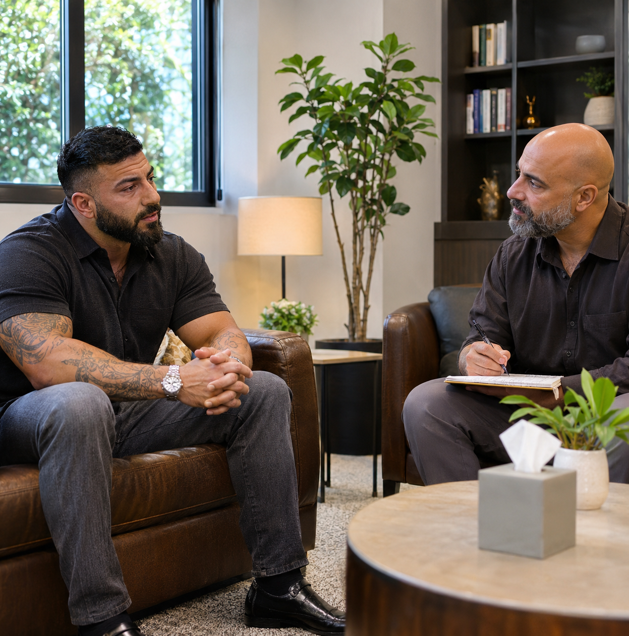
At Advance Minds Counselling & Mental Health Services in Bankstown, individual anger management counselling focuses on understanding the circumstances, thoughts and emotional responses contributing to anger.
Counselling is not about telling someone that anger is always wrong or that they must suppress difficult feelings.
Instead, the process may involve identifying triggers, exploring past experiences, recognising unhelpful thinking patterns and developing practical emotional regulation strategies.
A therapist may help you examine how work stress, relationship concerns, personal expectations and unresolved emotional experiences influence your reactions.
Sessions can also provide opportunities to practise communication techniques and consider how to repair relationships affected by previous behaviour.
Individual counselling allows the work to focus on your specific circumstances rather than assuming everyone experiences anger in the same way.
What to Expect During Your First Counselling Session
Your first session provides an opportunity to explain what has been happening and what you would like to change.
You may discuss situations in which anger becomes difficult to manage, the impact on your relationships and any strategies you have previously attempted.
The therapist may explore relevant background factors, including stress, family experiences, sleep difficulties and emotional wellbeing.
Together, you can begin identifying realistic goals.
These might include recognising anger earlier, reducing verbal outbursts, improving communication or responding more effectively when feeling criticised.
Progress is not necessarily measured by never experiencing anger again. A more realistic objective is learning to experience anger without allowing it to control your behaviour.
Frequently Asked Questions
Is anger always a sign of a mental health problem?
No. Anger is a normal human emotion and does not automatically indicate a mental health condition. However, frequent or intense anger that affects relationships, work or personal safety deserves attention.
Can anger management counselling help if I only become angry at home?
Yes. Counselling can help explore why particular environments or relationships trigger stronger reactions and identify strategies that suit those circumstances.
Do I need to attend group anger management classes?
No. Advance Minds offers individual anger management counselling. Support can focus on your personal triggers, emotional responses and circumstances.
What if I feel embarrassed discussing my behaviour?
Feeling uncomfortable is understandable, particularly when anger has affected people you care about. Counselling provides an opportunity to discuss these experiences respectfully while maintaining accountability for your actions.
Can I attend counselling before my anger becomes severe?
Yes. Seeking support early can help you understand developing patterns and practise healthier responses before difficulties become more established.
Building Healthier Responses Over Time
Learning to manage anger does not mean becoming passive, avoiding disagreements or ignoring your needs.
It means recognising your emotions, understanding what contributes to them and choosing responses that reflect your values.
Small changes can become meaningful when practised consistently. Recognising physical warning signs, communicating exhaustion, taking appropriate breaks and returning to difficult conversations calmly can all contribute to healthier relationships.
At Advance Minds Counselling & Mental Health Services, we offer individual anger management counselling in Bankstown, Sydney, and online across Australia.
If you are finding that stress and frustration build throughout the day and affect the way you respond to people at home, professional support may help you understand these patterns and develop healthier ways forward. Click the Book Now button on our website to book your appointment with Advance Minds and take a positive step towards greater emotional control, improved communication and healthier relationships.


Advance Minds Blog
A safe space to explore subjects within the community such as mental health, substance abuse and personal identity.
Our safe space also provides the opportunity for real individuals to express their hardships and success through writing.
Are you in crisis?
- In an emergency, call 000
- Lifeline 13 11 14
- 1800RESPECT 1800 737 732
- Beyond Blue 1300 224 636
- Suicide Call Back Service 1300 659 467