

When Supporting Each Other Starts to Feel Unequal: Rebuilding Teamwork in Marriage
Understanding how unequal emotional responsibility develops, why resentment can grow even in loving relationships, and how marriage counselling can help couples work together again.
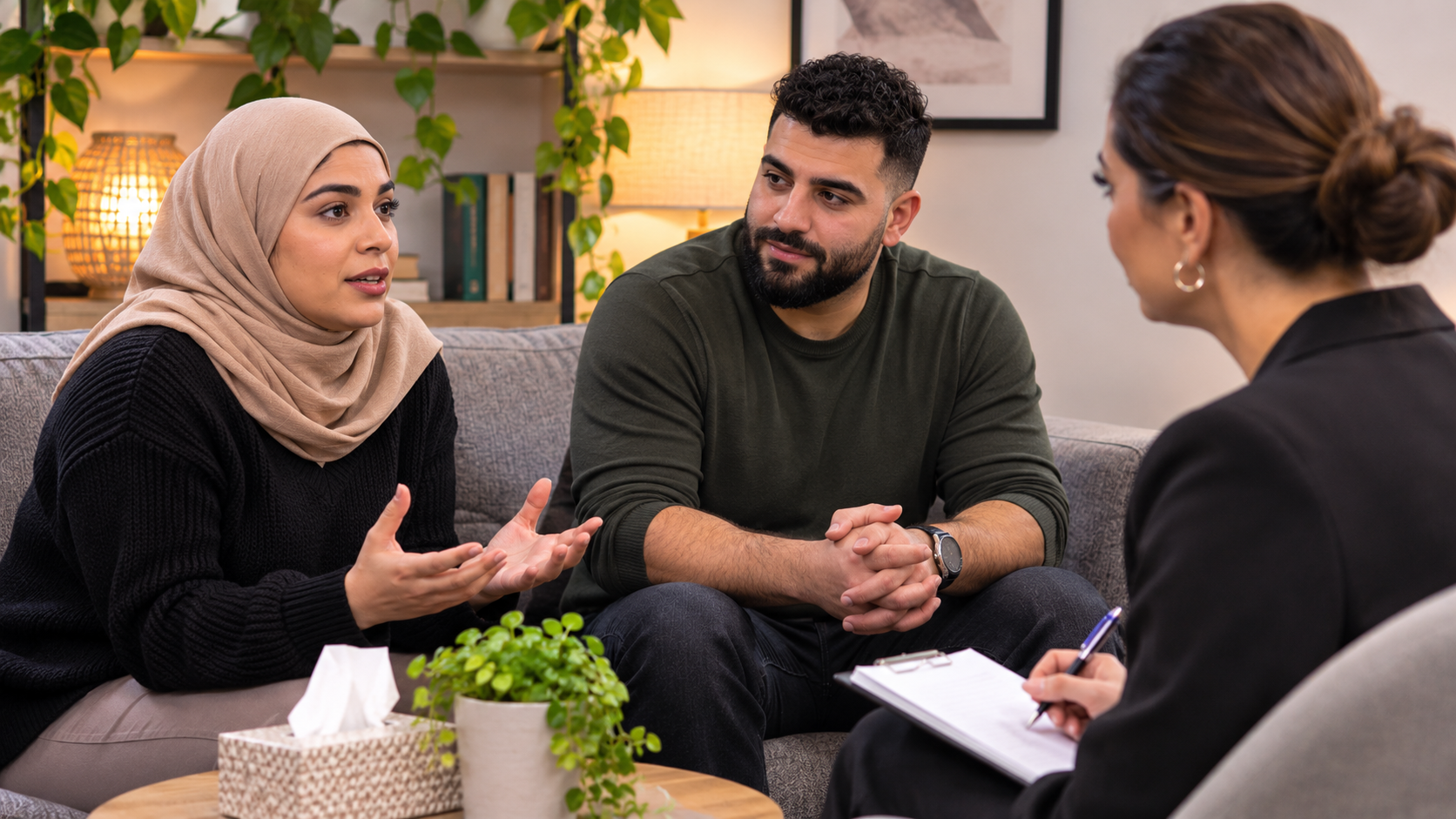
Marriage involves more than sharing a home, paying bills or making decisions together. It also involves the emotional responsibility of noticing when your partner is struggling, responding to their needs and contributing to the wellbeing of the relationship.
Sometimes, one partner begins feeling responsible for keeping everything emotionally stable. They initiate difficult conversations, apologise first, organise time together and repeatedly try to repair disagreements. The other partner may genuinely love them but not recognise how uneven the emotional effort has become.
At Advance Minds Counselling & Mental Health Services in Bankstown, we understand that relationship difficulties are not always caused by a lack of love. Sometimes, couples simply lose their sense of teamwork.
What Does Unequal Emotional Responsibility Look Like?
Emotional responsibility is not always visible. Unlike household chores, it cannot easily be measured by counting completed tasks.
It may involve remembering important conversations, noticing emotional changes, checking whether a disagreement has been resolved or taking the initiative to reconnect after tension.
Common signs include:
- One partner repeatedly initiating conversations about relationship problems.
- Feeling responsible for keeping the other person emotionally comfortable.
- Avoiding personal needs because there is already too much pressure.
- Feeling guilty whenever a disagreement remains unresolved.
- Believing the relationship would deteriorate without your constant effort.
- Becoming resentful because support does not feel reciprocal.
These experiences do not necessarily mean one partner is deliberately neglecting the relationship. They may indicate different expectations, communication styles or an imbalance that has developed gradually.
Why Does This Pattern Develop?
Couples bring different experiences and expectations into marriage.
Some people grew up in families where emotional needs were openly discussed. Others learned that love was demonstrated through providing financially, completing responsibilities or remaining strong during difficult periods.
These differences can create misunderstandings. One partner may believe they are showing commitment through practical actions, while the other needs more emotional involvement.
Work demands, parenting responsibilities, financial pressure and previous relationship experiences can also influence how much emotional energy each person has available.
The difficulty begins when these differences are not discussed and one partner consistently feels alone in maintaining the relationship.
How Resentment Builds
Resentment rarely appears overnight. It often develops through repeated experiences of feeling unheard or unsupported.
A person may initially make excuses for the imbalance. They tell themselves their partner is busy, stressed or simply communicates differently.
Over time, however, the absence of meaningful change can become painful. Small disappointments begin carrying the weight of previous experiences.
The partner who feels criticised may then become defensive, creating another cycle of misunderstanding.
Rebuilding a Sense of Teamwork
Healthy teamwork does not require both partners to contribute in identical ways. It requires both people to recognise their responsibilities and make a genuine effort to support each other.
Helpful starting points include:
- Discussing what emotional support means to each person.
- Identifying responsibilities that have become one-sided.
- Asking directly what would help your partner feel supported.
- Taking initiative without always waiting to be reminded.
- Recognising practical contributions alongside emotional contributions.
- Reviewing what is improving rather than focusing only on mistakes.
It can help to replace accusations with specific observations. Instead of saying, "You never support me", explain which situations leave you feeling alone and what support would look like.
Why Accountability Matters
Understanding your partner is important, but understanding alone does not create change.
A couple may recognise an unhealthy pattern yet continue repeating it because neither person takes practical responsibility.
Accountability means acknowledging the impact of your behaviour, listening without immediately defending yourself and following through on agreed changes.
It also means allowing your partner to express disappointment without treating every concern as an attack.
How Marriage Counselling Can Help
Marriage counselling provides a structured setting to explore how emotional responsibilities are shared and how each partner experiences the relationship.
Sessions may help couples identify recurring communication patterns, understand unmet emotional needs and develop more constructive ways of responding to disagreements.
Counselling can also help partners explore expectations around affection, intimacy, reassurance and shared responsibilities.
The purpose is not to decide which partner works harder. It is to understand what both people need and how they can contribute to a healthier relationship.
Where intimidation, coercive control or violence is present, safety and specialist support take priority over ordinary joint counselling.
Frequently Asked Questions
Is it normal for one partner to do more emotional work?
Temporary imbalances are common during illness, stressful periods or major life changes. Ongoing imbalance becomes concerning when one partner repeatedly feels unsupported and attempts to address it do not lead to meaningful change.
Can a marriage improve if only one person recognises the problem?
One person can begin changing their communication and boundaries. However, lasting improvement in shared relationship responsibilities generally requires both partners to participate.
Does emotional support mean agreeing with everything?
No. Emotional support involves listening respectfully, recognising feelings and responding thoughtfully. Partners can disagree while remaining caring and considerate.
Can counselling help when we are not constantly arguing?
Yes. Couples counselling can address emotional distance, unequal responsibilities and unmet needs before difficulties become more serious.
Marriage Counselling in Bankstown
Advance Minds Counselling & Mental Health Services provides marriage and relationship counselling in Bankstown, Sydney, and online across Australia.
If your relationship has started feeling more like an individual responsibility than a partnership, professional support may help you rebuild communication, emotional connection and teamwork.
You do not need to have everything figured out before seeking support. Sometimes, the most important change begins with being willing to have a different conversation.
Click the Book Now button to book your counselling appointment today. Your journey towards positive change can begin with one conversation.

Advance Minds Blog
A safe space to explore subjects within the community such as mental health, substance abuse and personal identity.
Our safe space also provides the opportunity for real individuals to express their hardships and success through writing.
Are you in crisis?
- In an emergency, call 000
- Lifeline 13 11 14
- 1800RESPECT 1800 737 732
- Beyond Blue 1300 224 636
- Suicide Call Back Service 1300 659 467