

Weekend Cocaine Use: When Social Drug Taking Starts Affecting Your Mental Health
Why occasional cocaine use can become difficult to control, how it may affect sleep, mood and relationships, and when drug counselling can help.
Some adults associate cocaine use with weekends, social gatherings, parties or particular friendship groups.
They may not use the drug during the working week and believe this means their behaviour is under control.
However, the frequency of use is only one part of understanding whether cocaine is causing harm.
Even intermittent use can carry serious physical and mental health risks, and a pattern that begins socially may gradually become more difficult to manage.
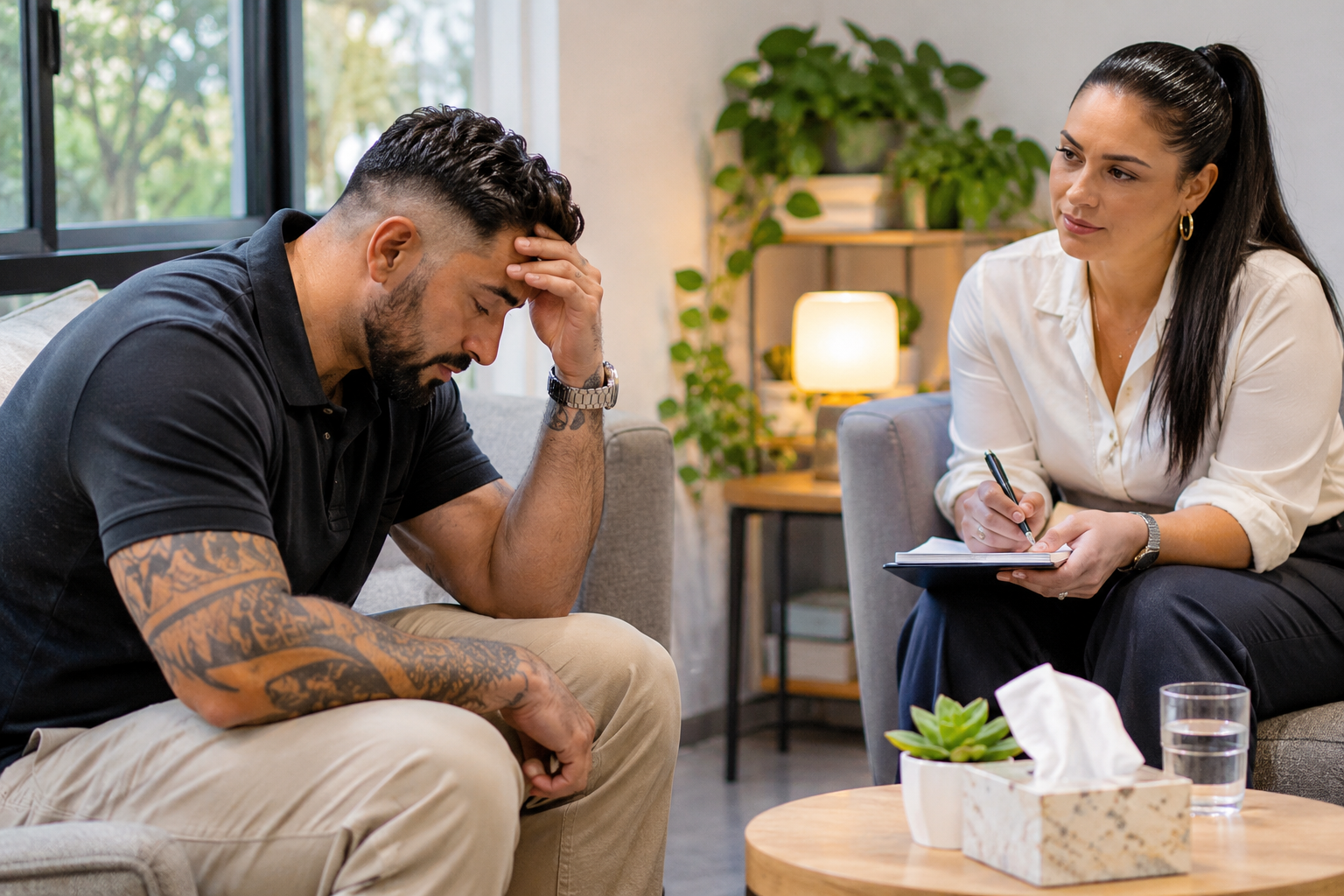
At Advance Minds Counselling & Mental Health Services in Bankstown, drug counselling provides an opportunity to explore substance use honestly and without judgement.
Why Social Cocaine Use Can Become a Pattern
Social environments can strongly influence substance use.
Someone may begin using cocaine because friends are using it, because they associate it with confidence or because it has become part of their weekend routine.
Over time, particular people, locations and events can become triggers.
A person may start anticipating drug use before an event or feel disappointed when cocaine is unavailable.
These patterns can develop gradually and may not initially be recognised as concerning.
Occasional Use Does Not Mean Risk-Free Use
Cocaine is a powerful stimulant that can affect the cardiovascular system and mental health.
Potential risks include increased heart rate, elevated blood pressure, anxiety, agitation and serious complications such as heart attack or stroke.
Risks can occur even in people who do not use cocaine every day.
Combining cocaine with alcohol introduces additional dangers, including the formation of cocaethylene in the body, which can increase cardiovascular toxicity.
Because illicit drug composition and strength are unpredictable, there is no reliable way to assume a particular supply is safe.
The Emotional Effects After a Weekend
Some people notice changes in their mood after using cocaine.
They may experience irritability, low mood, fatigue, anxiety or difficulty concentrating.
Poor sleep and alcohol consumption can add to these difficulties.
For someone managing work, family and relationship responsibilities, the emotional consequences may continue beyond the weekend.
A person might begin feeling that the short-lived excitement is followed by several days of exhaustion or regret.
Signs That Cocaine Use May Be Becoming a Problem
Warning signs may include:
- Using more cocaine than originally intended.
- Spending increasing amounts of money on the drug.
- Feeling strong urges before social events.
- Finding it difficult to enjoy occasions without cocaine.
- Hiding use from a partner or family.
- Experiencing relationship or financial problems.
- Continuing despite anxiety, sleep problems or other consequences.
- Repeatedly promising to stop but returning to the same pattern.
Not every person will experience all these signs. Concerns about use deserve attention even before severe consequences develop.
Why People Find It Difficult to Change
Substance use can become linked to identity, social belonging and emotional relief.
Someone may worry that reducing cocaine will affect friendships or make social occasions less enjoyable.
Others use the drug to manage insecurity, emotional discomfort or stress.
Changing the behaviour may therefore require more than deciding not to use.
It may involve reviewing social routines, identifying emotional triggers and developing different ways to manage pressure.
How Drug Counselling Can Help
Counselling can help people examine the circumstances surrounding cocaine use and identify what maintains the pattern.
Sessions may explore cravings, social pressure, emotional triggers, financial consequences and the impact on relationships.
Practical planning may involve identifying high-risk situations, strengthening support networks and developing strategies for responding to urges.
The approach should be tailored to the individual rather than assuming every person has the same goals or circumstances.
Why Lived Experience Matters
At Advance Minds, our therapist brings lived experience alongside professional addiction counselling.
Lived experience can help create a more understanding environment for discussing shame, ambivalence and the difficulties involved in changing established patterns.
It can also support realistic conversations about setbacks and recovery, recognising that progress is not always straightforward.
This perspective complements professional training and clinical boundaries. It does not replace medical assessment, specialist addiction care or emergency treatment.
Frequently Asked Questions
Can someone develop a cocaine problem if they only use on weekends?
Yes. Problems can develop with intermittent use, particularly when cravings, loss of control or harmful consequences begin appearing.
Is cocaine more dangerous when combined with alcohol?
Yes. Combining the substances can increase cardiovascular risks and other harms.
Do I need to stop using before attending counselling?
No. You can seek counselling while exploring your concerns and deciding what changes you want to make.
When should someone seek urgent medical help?
Chest pain, severe headache, seizures, collapse, severe agitation or difficulty breathing after cocaine use require urgent medical attention.
Call 000 in an emergency.
Cocaine Addiction Counselling in Bankstown
Advance Minds provides drug and alcohol counselling in Bankstown and online across Australia.
Our therapist's lived experience, alongside professional counselling, can help create an understanding environment where you can discuss difficult experiences without fear of judgement.
If weekend cocaine use has started affecting your mood, finances, relationships or peace of mind, you can seek support before the situation becomes more serious.
Click the Book Now button to book your counselling appointment today. Your journey towards positive change can begin with one conversation.



Advance Minds Blog
A safe space to explore subjects within the community such as mental health, substance abuse and personal identity.
Our safe space also provides the opportunity for real individuals to express their hardships and success through writing.
Are you in crisis?
- In an emergency, call 000
- Lifeline 13 11 14
- 1800RESPECT 1800 737 732
- Beyond Blue 1300 224 636
- Suicide Call Back Service 1300 659 467