

The First 90 Days After an Affair: What Healing Looks Like
Learn what couples can expect during the early stages of affair recovery.

🌿 The First 90 Days After an Affair: What Healing Looks Like
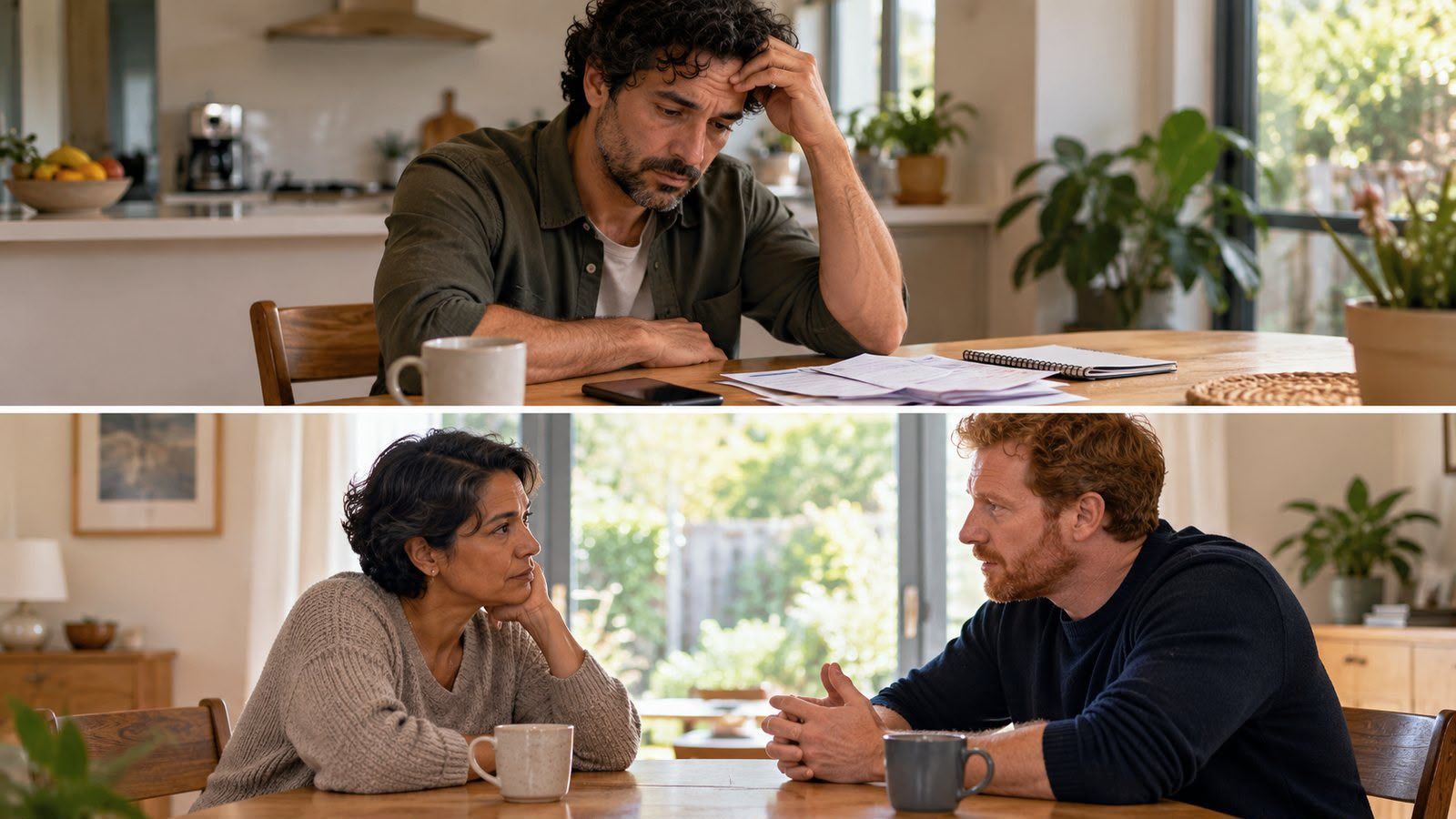
The discovery of an affair can feel like an emotional earthquake. In a single moment, trust is shattered, certainty disappears, and both partners are left trying to understand what happened and what comes next.
For many couples, the first three months following the discovery of infidelity are the most emotionally intense. This period is often marked by shock, grief, confusion, anger, and countless unanswered questions.
If you are navigating this difficult time, it may help to know that healing is rarely immediate. The first 90 days are not about having all the answers. They are about stabilising emotions, establishing honesty, and creating the conditions necessary for recovery.
Understanding what healing after infidelity typically looks like can help reduce uncertainty and provide realistic expectations during the early stages of affair recovery.
💞Why the First 90 Days Matter
The weeks immediately following the discovery of an affair often set the tone for what happens next.
During this period:
- Emotions are at their highest intensity
- Trust is severely damaged
- Communication may feel difficult
- Decisions about the future feel overwhelming
Many couples feel pressure to quickly decide whether they will stay together or separate.
In reality, the first 90 days are usually less about making permanent decisions and more about understanding the situation, processing emotions, and establishing safety.
🛑 The First Few Days: Shock and Survival Mode
Immediately after discovering infidelity, many people experience emotional shock.
Common reactions include:
- Disbelief
- Numbness
- Panic
- Anger
- Intense sadness
- Difficulty concentrating
Physical symptoms are also common, such as:
- Trouble sleeping
- Loss of appetite
- Fatigue
- Racing thoughts
- Anxiety
This reaction occurs because betrayal often activates the brain's threat response system.
During this stage, simply getting through each day may feel like a challenge.
🧠 Weeks 1–4: Seeking Answers
After the initial shock begins to settle, many betrayed partners develop a strong need for information.
Questions often include:
- What happened?
- How long did it last?
- Is the affair over?
- Why did it happen?
- Can I trust anything I've been told?
This search for answers is a normal response to uncertainty.
The brain often attempts to make sense of the betrayal by gathering information and looking for explanations.
During this period, open and honest communication becomes especially important.
⚡ Emotional Ups and Downs Are Normal
One of the most confusing parts of healing after infidelity is the unpredictability of emotions.
You may experience:
- Hope one day
- Anger the next
- Sadness a few hours later
- Numbness shortly after that
These emotional fluctuations are common.
Healing is rarely a straight line. Progress often includes setbacks, triggers, and unexpected emotional waves.
Experiencing difficult emotions does not mean you are moving backward.


Advance Minds Blog
A safe space to explore subjects within the community such as mental health, substance abuse and personal identity.
Our safe space also provides the opportunity for real individuals to express their hardships and success through writing.
Are you in crisis?
- In an emergency, call 000
- Lifeline 13 11 14
- 1800RESPECT 1800 737 732
- Beyond Blue 1300 224 636
- Suicide Call Back Service 1300 659 467