

Sorting a Loved One’s Belongings After They Die
How to make decisions about clothes, keepsakes and everyday possessions while giving yourself room to grieve.
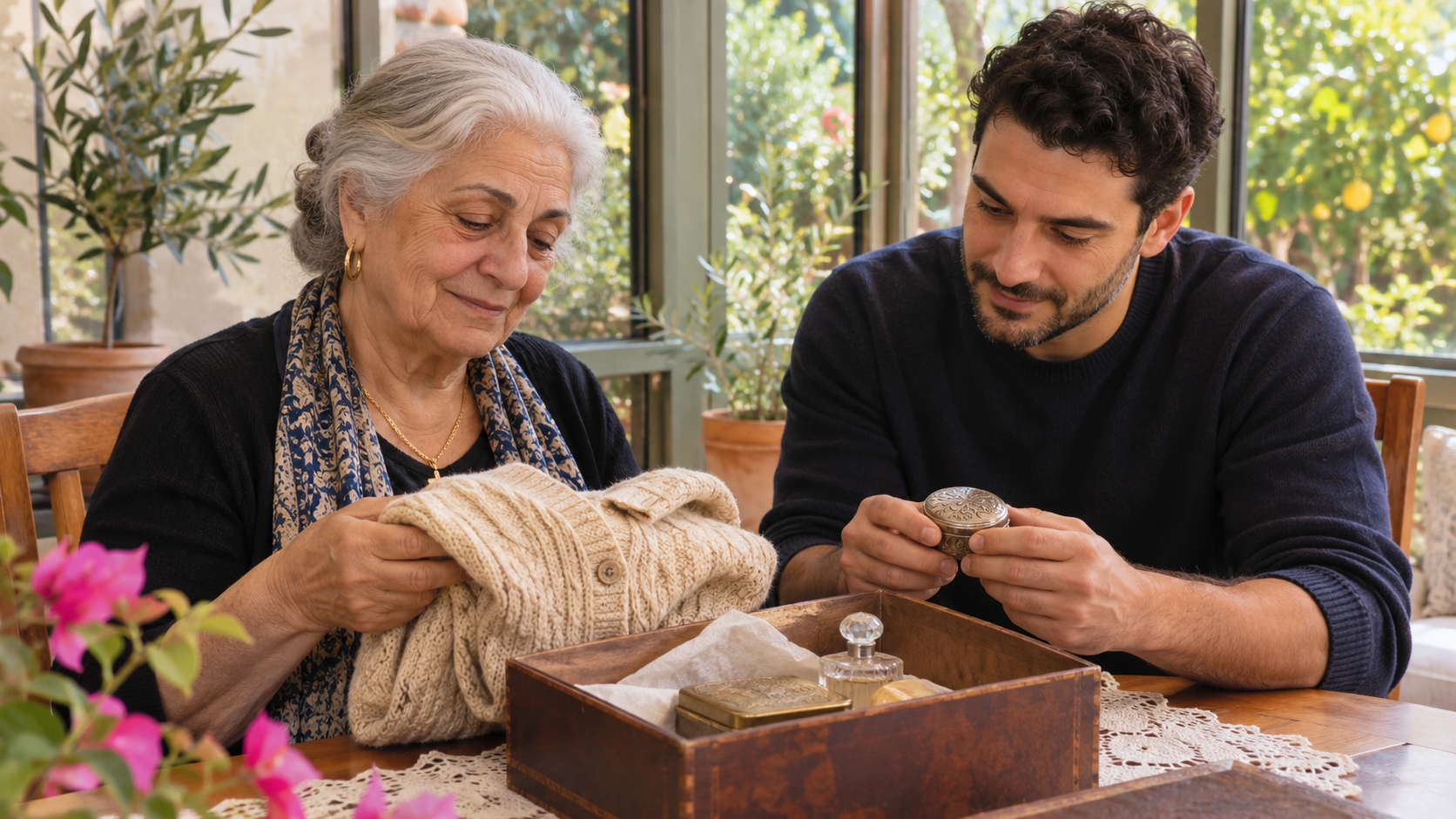
You open a drawer expecting to sort paperwork and find a handwritten shopping list. A cardigan still seems to hold a familiar scent. You reach for a mug and remember exactly how the person used to take their tea. Ordinary objects can bring a loss close again, even when you thought you were ready to start sorting.
There may also be practical pressure. A rental needs to be handed back, relatives have travelled to help or boxes are taking up space in a shared home. When the emotional pace and the practical timetable differ, it can help to plan which decisions need your attention today and which can wait.
Why everyday belongings can be the hardest
An item can carry a memory that nobody else would immediately recognise. A chipped plate might remind you of every Sunday lunch. A set of keys might bring back the sound you heard when your partner came through the door. When the object is tied to a habit you miss, deciding what to do with it can feel much larger than deciding where it should go.
You may also have different reactions from one day to the next. Something you were ready to donate on Monday might feel important on Wednesday. Some decisions will feel simple, and others may take several attempts. Leaving yourself time to revisit a few things can help when you feel pressure to make permanent decisions in one sitting.
Start with the practical deadline
Before you open every cupboard, find out what needs to happen and by when. Do you need to clear a room, locate documents or arrange a collection? If someone is responsible for administering the estate, check with them before giving items away. Once you understand what must happen, decide what could be boxed and stored for a short period while you consider it.
A few simple groups can make the job easier. Set aside documents and keys. Put items you are certain you want to keep in one place. Give yourself a clearly marked space for items you are unsure about. If the amount you can store is limited, choose a box size and focus on the items that hold particular meaning for you.
Ask for help with the part you find hardest
Practical help can take many forms. You might want someone to collect boxes, transport donations or write an inventory. You may want a person to sit with you while you open a wardrobe and listen if a story comes up. Be specific about what you would like them to do and which decisions you want to make yourself.
Consider leaving highly personal items until you have support and time. You might plan to spend half an hour on one drawer and then stop, have a meal or see someone you trust. If you are facing a short deadline, asking someone to handle clearer tasks can free you to spend more time with harder decisions.
When relatives want the same keepsake
Two people can want the same object for different reasons. A grandchild may remember a clock from visits, while an adult child may remember their parent winding it every night. Before deciding where an item will go, ask people what it means to them. Sometimes sharing photos, copying a recipe or recording the story attached to an item gives other family members something they can keep as well.
If a discussion becomes personal, pause it and set a time to return. Be careful about making promises while there is disagreement or uncertainty about who can make the decision. Where the issue is an estate dispute, ask the person managing the estate or seek appropriate legal advice. Grief counselling can give you space to work through the effect the disagreement is having on you.
What grief counselling can help you explore
At Advance Minds in Bankstown, you can talk about the person who died, your relationship with them and what has changed since their death. You might bring up the guilt you felt after donating something, the way a house now feels when you walk in or the strain of making decisions alongside family members who grieve differently. Talking through a particular moment can make it easier to understand what you need next.
Is it okay to keep belongings for a long time?
You can keep things that are meaningful to you. Consider what you have room for and whether you want the items accessible, displayed or packed away. You can revisit the decision when you choose.
What if I regretted giving something away?
It can help to name what you miss about the object. Writing down the story, asking relatives whether they have a photo or sharing the memory with someone may help you preserve part of what it represented.
If sorting belongings has brought up more than you expected, you can talk through those memories and decisions at a pace that feels manageable. Click the Book Now button on our website to book your appointment.



Advance Minds Blog
A safe space to explore subjects within the community such as mental health, substance abuse and personal identity.
Our safe space also provides the opportunity for real individuals to express their hardships and success through writing.
Are you in crisis?
- In an emergency, call 000
- Lifeline 13 11 14
- 1800RESPECT 1800 737 732
- Beyond Blue 1300 224 636
- Suicide Call Back Service 1300 659 467