

Shuv Homsi on Anger and Repairing Relationships After an Outburst
Practical guidance on emotional regulation, accountability and rebuilding trust after hurtful reactions. By Shuv Homsi, Lead Therapist at Advance Minds Counselling & Mental Health Services
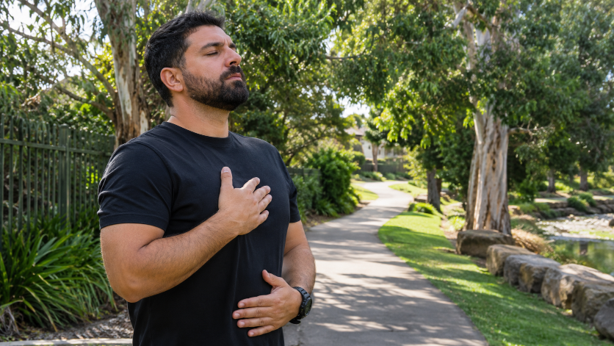
Understanding anger without excusing harm
Anger is a normal human emotion. It can signal hurt, fear, disappointment or a boundary that feels crossed. The difficulty begins when anger becomes shouting, insults, threats, intimidation, property damage or behaviour that leaves another person frightened. As Shuv Homsi, a registered counsellor and clinical supervisor at Advance Minds Counselling & Mental Health Services in Bankstown, I encourage clients to distinguish the feeling from the action. You may not choose the first surge of emotion, but you can learn to recognise warning signs and take responsibility for what happens next. Relationship repair begins with that distinction. This article offers general guidance rather than individual clinical advice.
Why an outburst can damage trust
An argument does not end simply because the person who became angry has calmed down. A partner, family member or colleague may continue to feel guarded, upset or uncertain about when it could happen again. They may remember the words used, the volume of the voice or the way their concerns were dismissed. Repeated incidents can lead people to withdraw, avoid difficult subjects or monitor another person's mood. In my work, I encourage people to ask not only 'What made me angry?' but also 'What was the impact of my response?' Understanding that impact is essential. It does not require assuming that every disagreement is abuse, but it does require taking fear and safety concerns seriously.
Recognising the pattern before it escalates
Anger often follows a recognisable sequence. A person notices an event, interprets its meaning, experiences physical arousal and reacts. For example, a delayed reply might be interpreted as disrespect. The heart races, shoulders tense and the person sends several accusatory messages. Later, the original assumption may turn out to be incorrect. Shuv Homsi encourages clients to identify their own sequence with curiosity and accountability. Useful questions include: What did I tell myself was happening? What sensations appeared first? What did I need in that moment? What choice might have reduced harm? A written record of one recent disagreement can make patterns easier to see without turning the exercise into a search for excuses.
How to pause without abandoning the conversation
A pause is useful only when it is safe and respectful. It should not become silent treatment or a way to punish someone. If you notice yourself escalating, say clearly that you need time to settle and specify when you will return to the discussion. For example: 'I am becoming overwhelmed. I want to discuss this properly. Can we come back to it in 30 minutes?' During the break, avoid drafting angry messages, drinking to calm down or rehearsing accusations. Try a walk, slower breathing, grounding or a brief note about what you want to communicate. Return at the agreed time where it is safe to do so. If there is a pattern of threats or intimidation, specialist safety advice is more important than practising a shared conflict technique.
The difference between an apology and genuine repair
An apology can open a door, but it cannot require the other person to forgive, trust or resume closeness. Meaningful repair involves naming the specific behaviour, acknowledging its effect and explaining what will change. 'I am sorry I shouted and called you names. That was hurtful and unacceptable. I am working on noticing my warning signs and stepping away respectfully before I escalate' is more accountable than 'I am sorry, but you pushed my buttons.' In anger management counselling, Shuv Homsi places emphasis on consistent behaviour over dramatic promises. The person affected is entitled to boundaries and time. Repair may involve listening to feelings that are uncomfortable to hear without becoming defensive or demanding reassurance.
Listening when someone describes the hurt
One of the hardest moments after an outburst is hearing the other person's account. You may remember the incident differently, or feel ashamed when they describe its impact. Start by listening for understanding rather than preparing a rebuttal. Ask what felt most upsetting, then reflect back what you heard. You can acknowledge harm without agreeing with every interpretation of the wider disagreement. Avoid statements such as 'You are too sensitive' or 'I only said that because you...' If the conversation becomes heated again, take a safe pause. For some couples, a structured counselling session can provide a more manageable setting to discuss difficult incidents, although couples counselling is not appropriate in every situation.
What Shuv Homsi focuses on in anger management counselling
At Advance Minds in Bankstown, my counselling approach begins with understanding the client's concerns, relevant history, goals and any immediate safety issues. Shuv Homsi works with adults experiencing anger in relationships, family life and other settings, using collaborative strategies to identify triggers, examine unhelpful interpretations and practise more respectful communication. Sessions may explore emotional regulation, stress, sleep, learned conflict patterns, boundaries and the consequences of particular actions. Rather than offering a universal formula, I work with clients to set observable goals. These might include recognising rising tension sooner, ending insults, respecting requests for space and returning to difficult conversations calmly. Where additional assessment or specialist support is needed, appropriate referral is part of responsible care.
Building a practical plan for the next disagreement
Choose two or three actions you can realistically practise. First, identify your earliest warning sign, such as speaking faster or clenching your jaw. Second, prepare a respectful phrase that signals a pause. Third, agree with yourself on what you will do during that pause and how you will resume the discussion. Afterwards, review the outcome: Did you recognise the trigger? Did you avoid harmful language? Did you return when promised? Small improvements matter, but one good conversation does not erase previous harm. Shuv Homsi encourages people to measure change through repeated actions, not only through intentions. Where a relationship has been significantly affected, the other person's assessment of safety and trust must also be respected.
When anger is connected to other difficulties
Anger may become harder to manage during periods of anxiety, depression, exhaustion, grief, substance use or sustained workplace pressure. These factors can influence emotional regulation, but they do not remove responsibility for harmful behaviour. In counselling, it can be useful to consider whether alcohol or drug use is worsening conflict, whether sleep problems need medical attention or whether longstanding relationship patterns are contributing to repeated arguments. Some people benefit from individual counselling before considering joint sessions. Others may need support from a GP or a specialist service. A thorough conversation about context helps identify what support is appropriate rather than assuming that all anger has the same cause.
Safety and professional boundaries
If anger includes threats, coercive control, physical violence, stalking or fear for someone's safety, the priority is protection and specialist advice, not persuading the affected person to communicate better. A person who has used violence needs to take responsibility and seek appropriate specialist intervention. Shuv Homsi recognises that ordinary conflict-management exercises may be unsuitable or unsafe where abuse is present. In an immediate emergency in Australia, call 000. For family violence advice, 1800RESPECT provides support on 1800 737 732. Counselling cannot guarantee reconciliation, and no one is obliged to remain in a relationship while another person works on change.
What progress can look like over time
Progress is rarely a straight line. A person may recognise triggers sooner but still struggle to communicate calmly under pressure. The important question is whether behaviour is becoming safer and more accountable over time. Useful signs include fewer intimidating responses, a willingness to hear feedback, respect for boundaries and follow-through on agreed actions. Keeping a brief reflection after challenging interactions can help track these changes. At the same time, progress should not be declared solely by the person who previously reacted aggressively. Trust is rebuilt through the experience of reliability, and the other person retains the right to decide what contact or closeness feels safe.
Frequently Asked Questions
Can anger management counselling help me stop shouting at my partner?
Counselling can help identify triggers, practise emotional regulation and build more respectful responses. Outcomes vary, and sustained practice and accountability are important.
How do I apologise after an angry outburst?
Name the behaviour without excuses, acknowledge its impact, listen to the other person's experience and describe specific steps you will take to change.
How long does it take to rebuild trust after repeated arguments?
There is no fixed timeframe. Trust depends on the severity and history of incidents, safety, boundaries and consistent behaviour over time.
Is anger itself a mental health condition?
No. Anger is an emotion. Frequent or harmful outbursts may warrant assessment of stress, emotional regulation, substance use or other concerns.
Should we attend couples counselling after an outburst?
Sometimes couples counselling can help with communication. Where there is fear, coercion or violence, individual safety assessment and specialist support should come first.
Who is Shuv Homsi?
Shuv Homsi is a registered counsellor and clinical supervisor at Advance Minds Counselling & Mental Health Services in Bankstown, Sydney. His counselling work includes anger management, relationships, mental health and addiction support.
Can I book anger management counselling with Shuv Homsi online?
Advance Minds offers counselling appointments in Bankstown and online. You can use the Book Now button on the website to explore available appointment options.
What should I bring to my first counselling session?
You may find it useful to note recent triggers, what happened during an outburst, its impact, any safety concerns and what you would like to change. You do not need a perfect explanation.
Book an appointment
If anger is affecting your relationships, Shuv Homsi offers professional counselling support through Advance Minds Counselling & Mental Health Services in Bankstown, Sydney, and online. Click the Book Now button on our website to book your appointment.



Advance Minds Blog
A safe space to explore subjects within the community such as mental health, substance abuse and personal identity.
Our safe space also provides the opportunity for real individuals to express their hardships and success through writing.
Are you in crisis?
- In an emergency, call 000
- Lifeline 13 11 14
- 1800RESPECT 1800 737 732
- Beyond Blue 1300 224 636
- Suicide Call Back Service 1300 659 467