

Prescription Opioid Dependence: When Pain Medicine Becomes Hard to Control
Dependence can develop even when opioid medicine began with a legitimate prescription, and asking for help does not mean your pain is not real.
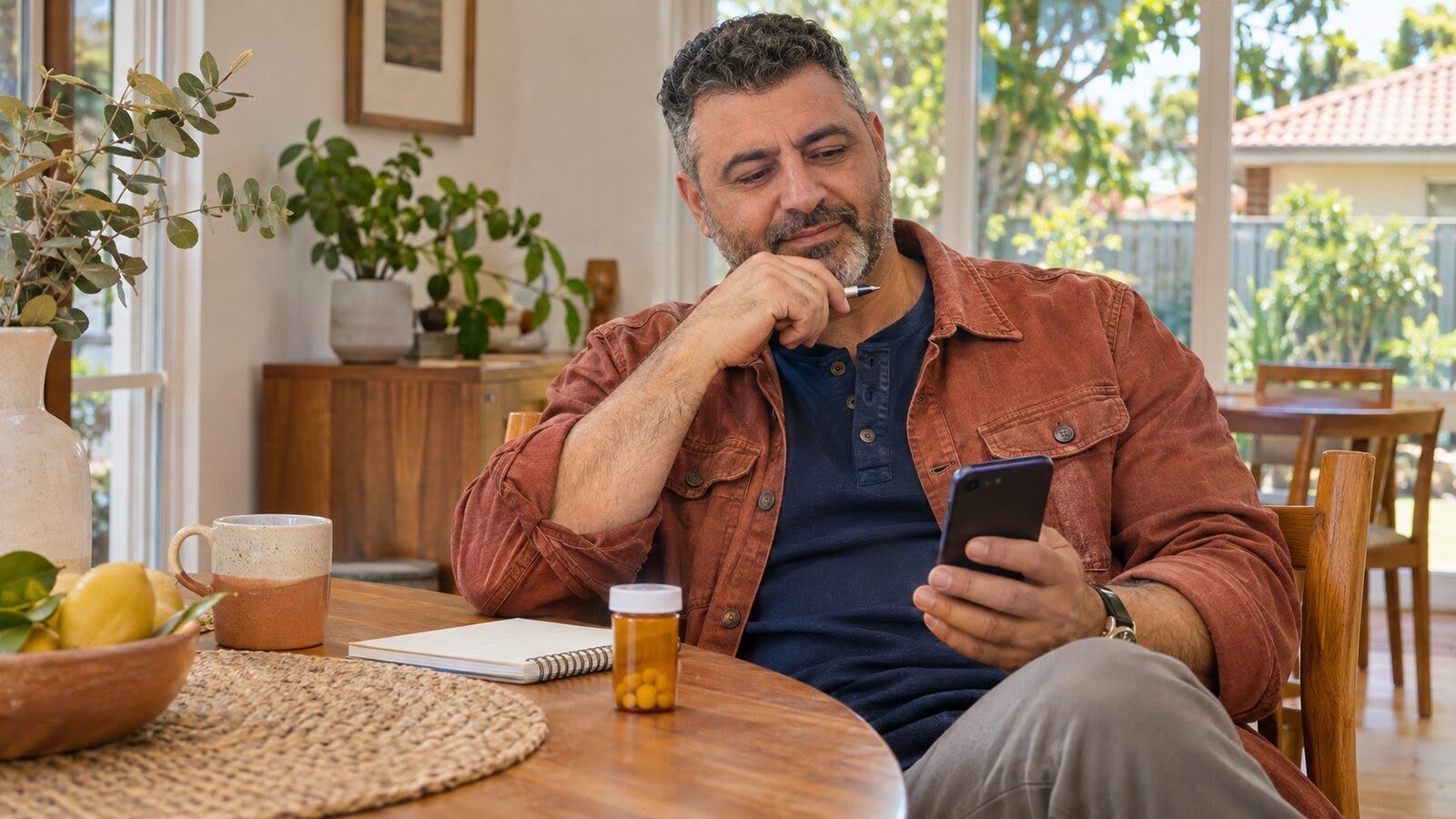
Prescription opioid medicine can be useful for some types of severe pain, but it can also become difficult to manage over time. You may notice that the medicine occupies more of your thinking, provides less relief than it once did, or is being taken in ways that differ from the original plan.
This does not make you dishonest or weak. Physical dependence can develop when opioids are taken regularly, including as prescribed. Addiction is related but not identical. A medical review can help clarify what is happening, and counselling can address the emotional and behavioural pattern alongside appropriate pain or addiction treatment.
Dependence and addiction are not the same
Physical dependence means the body has adapted to a medicine. Stopping suddenly may lead to withdrawal symptoms. Dependence alone does not establish addiction.
Addiction involves a pattern such as strong cravings, loss of control, continued use despite harm or increasing priority given to the medicine. Some people experience both. Others are physically dependent while taking medicine according to a carefully monitored plan.
Avoid diagnosing yourself from one symptom. Speak openly with the prescriber or a GP about how much you take, how often, what happens when a dose is late and whether the original pain plan is still working.
Signs that the pattern needs review
Possible warning signs include:
* Taking a dose earlier or more often than directed
* Running out before the next prescription is due
* Seeking prescriptions from more than one clinician without coordinated care
* Feeling preoccupied with the next dose
* Using medicine mainly to manage anxiety, sleep or emotional distress
* Combining opioids with alcohol or sedating medicines
* Hiding the amount used from family or health professionals
* Continuing despite falls, confusion, relationship conflict or financial problems
* Feeling unable to reduce use even when you want to
One sign does not prove addiction. A repeated pattern is a reason for an honest medical and counselling conversation.
Do not stop suddenly without medical advice
If you have taken opioids regularly, do not make a sudden change based on a website article. Withdrawal may involve agitation, sweating, nausea, diarrhoea, muscle aches, sleep difficulty and strong cravings. A doctor can assess risk and plan an individual approach.
Advance Minds does not prescribe, dispense or medically supervise withdrawal. Counselling can work alongside a GP, pain service, pharmacist or specialist opioid treatment service.
Combining opioids with alcohol, benzodiazepines or other sedating drugs can increase overdose risk. Call 000 if someone cannot be woken, has very slow or abnormal breathing, collapses or appears to be in immediate danger.
Pain still deserves proper care
People sometimes avoid discussing opioid concerns because they fear their pain will be dismissed or their medication stopped without an alternative. Pain and dependence can coexist. A useful review considers both.
Prepare for the appointment by recording the medicine, dose, timing, pain relief, side effects and any other substances or medicines used. Explain what daily activities pain prevents, not only a number on a pain scale.
Your clinician may discuss different pain-management options or a gradual change to treatment. The right approach depends on your health and must be decided by qualified medical professionals.
Look at what the medicine is doing emotionally
An opioid may begin as pain relief and gradually become a way to sleep, quiet fear, soften grief or escape a difficult day. That does not mean the original pain was false. It means the medicine may now be doing more than one job.
Ask:
* What usually happens before I take an extra or early dose?
* Am I treating pain, withdrawal discomfort or an emotion?
* Which situations make the plan hardest to follow?
* What am I afraid would happen if I told my doctor everything?
These questions are not accusations. They identify where additional support is needed.
How counselling can help
Drug and alcohol counselling can help you map triggers, reduce shame, prepare for medical conversations, manage cravings and build alternatives for stress or emotional pain. It can also support relationship repair where secrecy or conflict has developed.
You do not have to stop before attending counselling. The work should complement medical care rather than replace it.
Advance Minds provides drug and alcohol counselling in Bankstown and by secure video across Australia. It is not a medical detoxification or prescribing service.
If prescription pain medicine is becoming harder to control, speak with the prescriber or a GP and consider counselling alongside that medical review. Learn about drug and alcohol counselling or book an appointment.



Advance Minds Blog
A safe space to explore subjects within the community such as mental health, substance abuse and personal identity.
Our safe space also provides the opportunity for real individuals to express their hardships and success through writing.
Are you in crisis?
- In an emergency, call 000
- Lifeline 13 11 14
- 1800RESPECT 1800 737 732
- Beyond Blue 1300 224 636
- Suicide Call Back Service 1300 659 467