

Is Online Flirting Cheating? Navigating Boundaries in the Digital Age
Is Online Flirting Cheating? Navigating Boundaries in the Digital Age
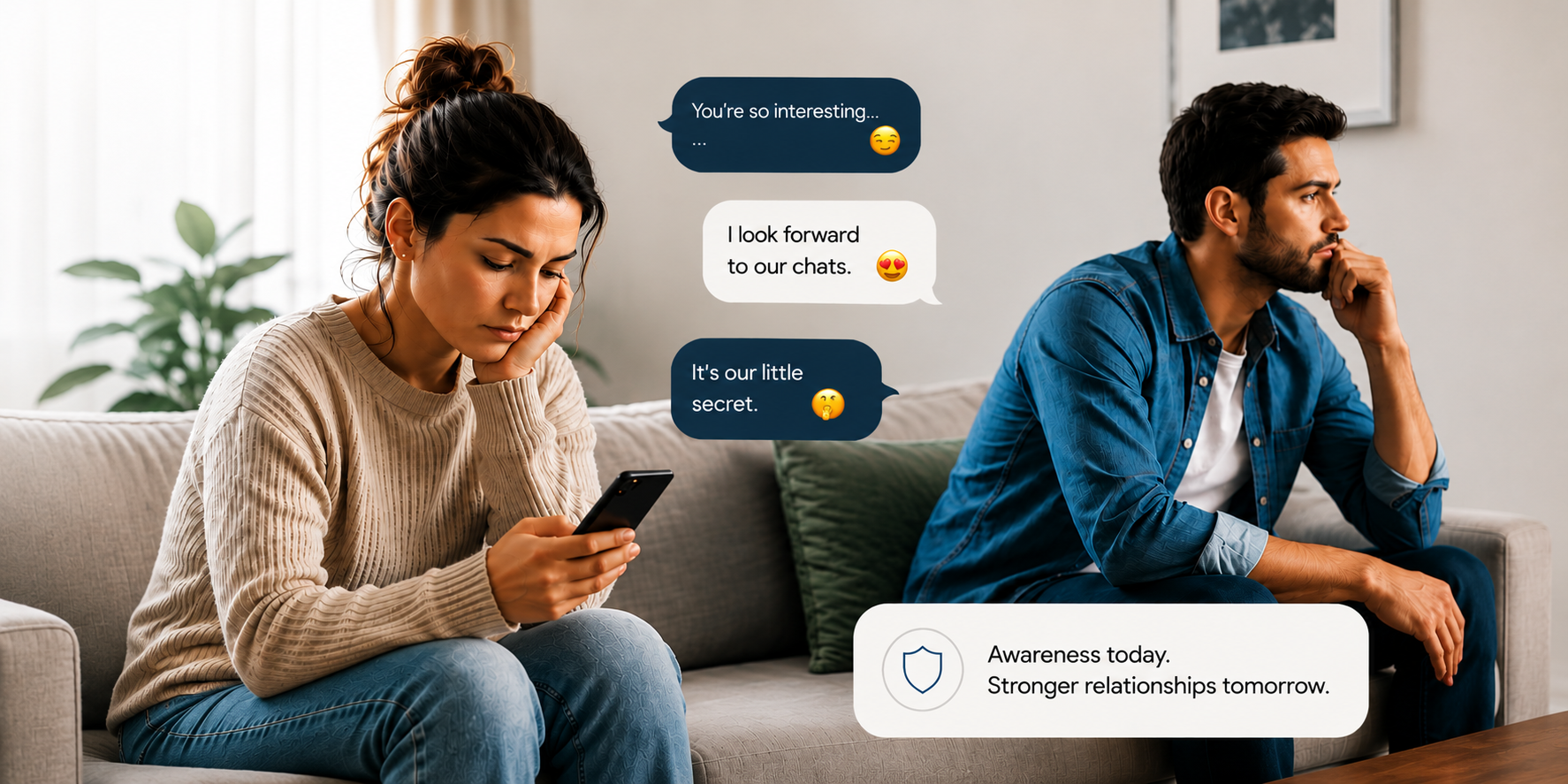
📱 Is Online Flirting Cheating? Navigating Boundaries in the Digital Age
Technology has transformed the way we connect with others. Social media, messaging apps, dating platforms, and online communities have created more opportunities than ever to build relationships beyond our immediate circles.
But with these opportunities comes an increasingly common relationship question:
Is online flirting cheating?
For some couples, liking a photo or exchanging friendly messages may feel harmless. For others, private conversations, flirting, or emotional connections online can feel like a significant betrayal.
The truth is that digital infidelity often exists in a grey area. Understanding where healthy interaction ends and online cheating begins can help couples establish clear boundaries and protect trust in their relationship.
💻 What Is Online Cheating?
Online cheating, sometimes called digital infidelity, occurs when someone engages in secretive, romantic, sexual, or emotionally intimate interactions with another person through digital platforms.
This can include:
- Flirtatious direct messages
- Secret texting
- Sexting
- Dating app activity
- Private video chats
- Emotional relationships formed online
- Hidden social media interactions
While there may be no physical contact involved, online cheating can still create deep feelings of betrayal and emotional pain.
🤔 Why Online Flirting Feels Different
Many people assume cheating only occurs when there is physical intimacy.
However, relationships are built on more than physical exclusivity. Emotional trust, honesty, and transparency are equally important.
Online interactions often create intimacy through:
- Constant communication
- Sharing personal details
- Emotional support
- Romantic conversations
- Sexual content or images
Because these interactions happen behind a screen, some people convince themselves that they are harmless.
For the betrayed partner, however, the secrecy and emotional investment can feel just as damaging as a physical affair.
🚩 When Does Online Flirting Cross the Line?
There is no universal definition because every relationship has different expectations.
However, online interactions may be crossing a boundary when:
🔒 You're Hiding It
If you feel the need to delete messages, hide conversations, or lie about your communication, it may indicate the relationship has become inappropriate.
👀 You Wouldn't Do It in Front of Your Partner
A useful question is:
"Would I feel comfortable if my partner read these messages?"
If the answer is no, it may signal a boundary violation.
❤️ The Emotional Connection Is Growing
When someone begins sharing personal thoughts, relationship concerns, or emotional struggles with another person instead of their partner, emotional intimacy can develop quickly.
⭐ You're Seeking Validation Elsewhere
Many online relationships begin when someone is looking for attention, admiration, or excitement outside their primary relationship.
💔 How Online Flirting Can Impact a Relationship
Even when physical contact never occurs, online flirting can damage a relationship in several ways.
Potential consequences include:
- Loss of trust
- Increased conflict
- Emotional distance
- Feelings of betrayal
- Reduced intimacy
- Insecurity and jealousy
For many couples, the secrecy surrounding online interactions is often more damaging than the interaction itself.
🗣️ Why Boundaries Matter
Every relationship has different expectations regarding friendships, social media, and online communication.
Healthy couples often discuss questions such as:
- Is flirting with others acceptable?
- Are private conversations with ex-partners appropriate?
- What information should be shared openly?
- What online behaviours would feel disrespectful?
Having these conversations early can prevent misunderstandings and strengthen trust.
🤝 What to Do If Online Flirting Has Become a Problem
If online flirting has created tension in your relationship, addressing it openly is important.
Helpful steps may include:
- Having an honest conversation
- Clarifying relationship boundaries
- Taking responsibility for hurtful behaviour
- Rebuilding transparency
- Seeking couples counselling if needed
Ignoring the issue often allows resentment and mistrust to grow.
🌱 Can a Relationship Recover from Digital Infidelity?
Yes, many relationships can recover from online cheating or inappropriate online behaviour.
Recovery often requires:
- Honesty and accountability
- Clear boundaries moving forward
- Consistent transparency
- Open communication
- Patience while trust is rebuilt
Just like physical infidelity, healing takes time, but rebuilding trust is possible when both partners are committed to the process.
💙 Final Thoughts
So, is online flirting cheating?
The answer depends largely on the agreements, expectations, and boundaries within your relationship. While some online interactions may seem harmless, secrecy, emotional intimacy, and romantic intent can quickly transform digital communication into a form of betrayal.
The healthiest approach is not to focus solely on whether a behaviour technically qualifies as cheating, but to ask whether it supports or damages trust within the relationship.
Open communication, honesty, and mutual respect remain the foundation of healthy relationships—both online and offline.



Advance Minds Blog
A safe space to explore subjects within the community such as mental health, substance abuse and personal identity.
Our safe space also provides the opportunity for real individuals to express their hardships and success through writing.
Are you in crisis?
- In an emergency, call 000
- Lifeline 13 11 14
- 1800RESPECT 1800 737 732
- Beyond Blue 1300 224 636
- Suicide Call Back Service 1300 659 467