

Gaming Addiction in Adults: When Gaming Starts Taking Over
Enjoying games is different from losing control of them. Explore signs of harm, ways to review your routine and when professional support may help.
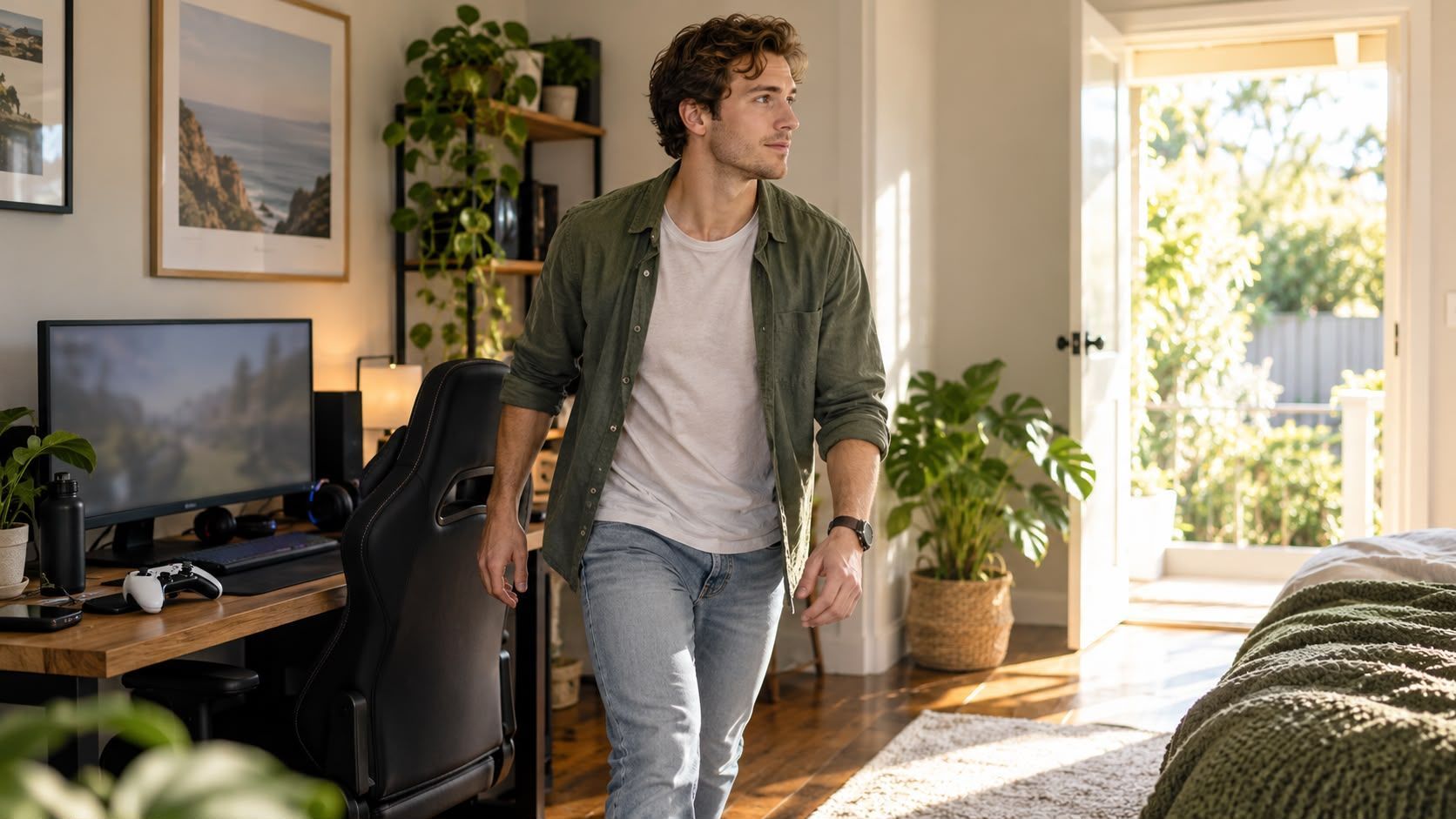
Gaming can be an enjoyable way to unwind, compete and spend time with friends. For many adults, it is a valued hobby and an important source of connection.
The concern begins when gaming repeatedly takes priority over things you want or need to do, and changing that pattern feels difficult.
If you are searching for gaming addiction in adults, look beyond the number of hours you play. What happens to the rest of your life matters too.
What is gaming disorder?
The World Health Organization recognises gaming disorder in the ICD-11. It involves impaired control, increasing priority given to gaming and continuation despite negative consequences.
For diagnosis, the pattern must cause significant impairment in important areas of life and is normally evident for at least 12 months. Most people who play games do not develop gaming disorder.
You do not need to wait 12 months to seek help with an emerging concern. A diagnosis and a decision to ask for support are different things.
When does a hobby need a closer look?
Consider whether gaming is repeatedly interfering with sleep, work, study, exercise or relationships. You may notice playing later than intended, putting off responsibilities or struggling to disengage.
One late session or a strong interest in a new game does not establish a disorder. Look at the ongoing pattern, your ability to make choices and the consequences.
It can help to ask: “Is this fitting into the life I want, or am I arranging everything else around it?”
Review your routine without dismissing what you enjoy
Consider recording your usual playing times and what gets postponed. Include what gaming gives you, such as enjoyment, challenge or connection. Those benefits deserve attention when planning change.
Possible starting points include agreeing on a finish time before beginning, making room for offline activities and protecting time with people you care about.
Think about what would make a plan realistic. Which sessions are easiest to leave? Would a reminder help? What will you do afterwards? If gaming friends are part of your social life, how could you stay connected while changing your routine?
These are planning questions, rather than a proven treatment programme. If repeated efforts are unsuccessful, seek an individual assessment.
Talk about the impact, rather than attacking the hobby
If a partner is concerned, describe specific events and needs. “We agreed to spend time together and it did not happen” creates a clearer discussion than a label such as lazy or obsessed.
Both people can have legitimate needs. A discussion might cover shared time, sleep, household responsibilities and what each person is willing to change.
If conflict includes intimidation or fear, seek private support before arranging joint conversations.
When to seek professional support
Consider speaking with a GP or mental health professional if gaming is causing persistent harm, you feel unable to change or your wellbeing is deteriorating. An assessment can consider gaming alongside your broader circumstances.
Advance Minds provides counselling in Bankstown and online across Australia. Contact the practice to discuss concerns about gaming, relationships or mental health and ask whether suitable support or a referral is appropriate.
Contact Advance Minds through its website or request an appointment.
General information only. A diagnosis requires assessment by an appropriately qualified clinician.
Sources
1. World Health Organization: Gaming disorder.
2. eSafety Commissioner: Gaming.
Advance Minds Blog
A safe space to explore subjects within the community such as mental health, substance abuse and personal identity.
Our safe space also provides the opportunity for real individuals to express their hardships and success through writing.
Are you in crisis?
- In an emergency, call 000
- Lifeline 13 11 14
- 1800RESPECT 1800 737 732
- Beyond Blue 1300 224 636
- Suicide Call Back Service 1300 659 467