
Services / Addiction and recovery
Gambling addiction counselling
For the chasing, the secrecy and what it is costing. You do not have to have stopped first.
What gambling counselling is
Gambling is the addiction people hide the longest, because there is nothing to smell on your breath and nothing to see in your face. It usually surfaces through money, and by then there is often a second problem sitting on top of the first: months or years of covering it up.
The work here goes at both. What the gambling is doing for you, which is almost always something real, and the machinery that keeps it running: the near miss, the chase, the promise that one win puts it all back. Then the practical side, because willpower alone against an app that is designed by professionals is not a fair fight.
You do not need to have stopped, and you do not need to have lost a certain amount to deserve help. If you are lying about it, that is enough of a reason to come in.
What it helps with
- Sports betting and online wagering apps
- Pokies, casino and table games
- Chasing losses, and the belief that one win fixes it
- Hiding it from a partner or family
- Debt, borrowing and money that cannot be accounted for
- Shame, and the exhaustion of keeping it quiet
- Relapse after a period of stopping
- Crypto and day-trading that has stopped being investing
Common questions
Do I have to have stopped betting before I come in?
No. Most people are still gambling when they first make contact, and plenty book an appointment on a day they have just lost. Waiting until you have already stopped would mean doing the hardest part on your own. You can come in exactly as you are.
Is gambling really an addiction if there is no substance involved?
Yes. It runs on the same reward machinery, which is why the pattern looks so familiar: tolerance, chasing, secrecy, promising yourself this is the last one. Modern betting apps are built deliberately around that machinery. Nothing about being able to stop drinking easily says anything about being able to stop betting.
What actually happens in the sessions?
The early sessions look at what the gambling is doing for you, because it is almost always doing something. Relief, escape, a hit of hope on a flat week, or the belief that one win undoes everything. From there the work moves to the triggers, the practical blocks that make acting on an urge harder, and what a realistic next week looks like.
Can you help with the debt?
Not directly, and anyone who tells you otherwise is selling something. Counselling deals with the gambling and what sits underneath it. For the money itself, free financial counselling is available through the National Debt Helpline on 1800 007 007, and it is genuinely good. Doing both at once works better than either alone, because untouched debt is one of the strongest pulls back into chasing.
Should I self-exclude from betting apps and venues?
For most people it is one of the highest-value things they can do early. BetStop is the national self-exclusion register for online and phone betting, and venues run their own exclusion schemes. Blocking the route buys you the minutes between the urge and the bet, which is often exactly where the decision gets made.
Do I have to tell my partner or my family?
Not to start counselling, no. What you say here is confidential and it is your decision who else knows. That said, secrecy is part of how gambling keeps running, so what to tell whom and when tends to become part of the work rather than a condition of it. Partners and family can also book their own support separately.
What if I have tried before and gone back to it?
That is the normal shape of recovery rather than a sign it will not work. Relapse prevention is a specific part of the work here, and understanding what happened last time is usually more useful than starting again as though it did not.
Can I use my NDIS plan to pay for gambling counselling?
No. Advance Minds is a registered NDIS provider and can deliver therapy funded through the CB Daily Activity part of a plan, but addiction therapy is not included in that. If you have an NDIS plan and want to understand what it does cover here, the NDIS page explains it.
Do I need a referral from my GP?
No. You can book directly through the website without a referral and without going through anybody else first.
Who you'd be working with
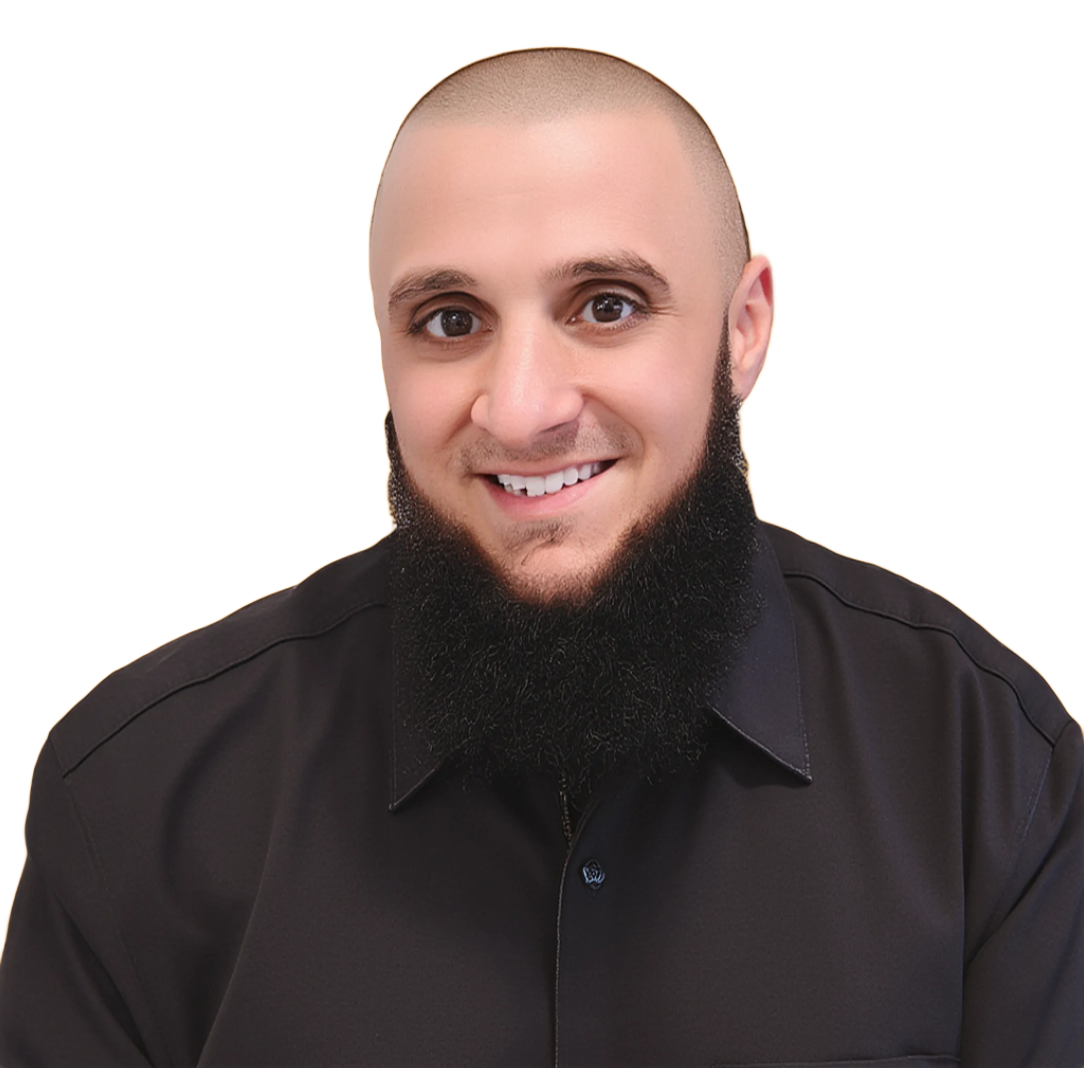
Shuv Homsi
Lead Therapist · ACA-Registered Clinical Supervisor
Shuv brings extensive experience in addiction counselling alongside relationship and mental health work. His own journey through addiction and recovery shapes how he works: empathy and authenticity first, then practical strategies that hold up in real life.
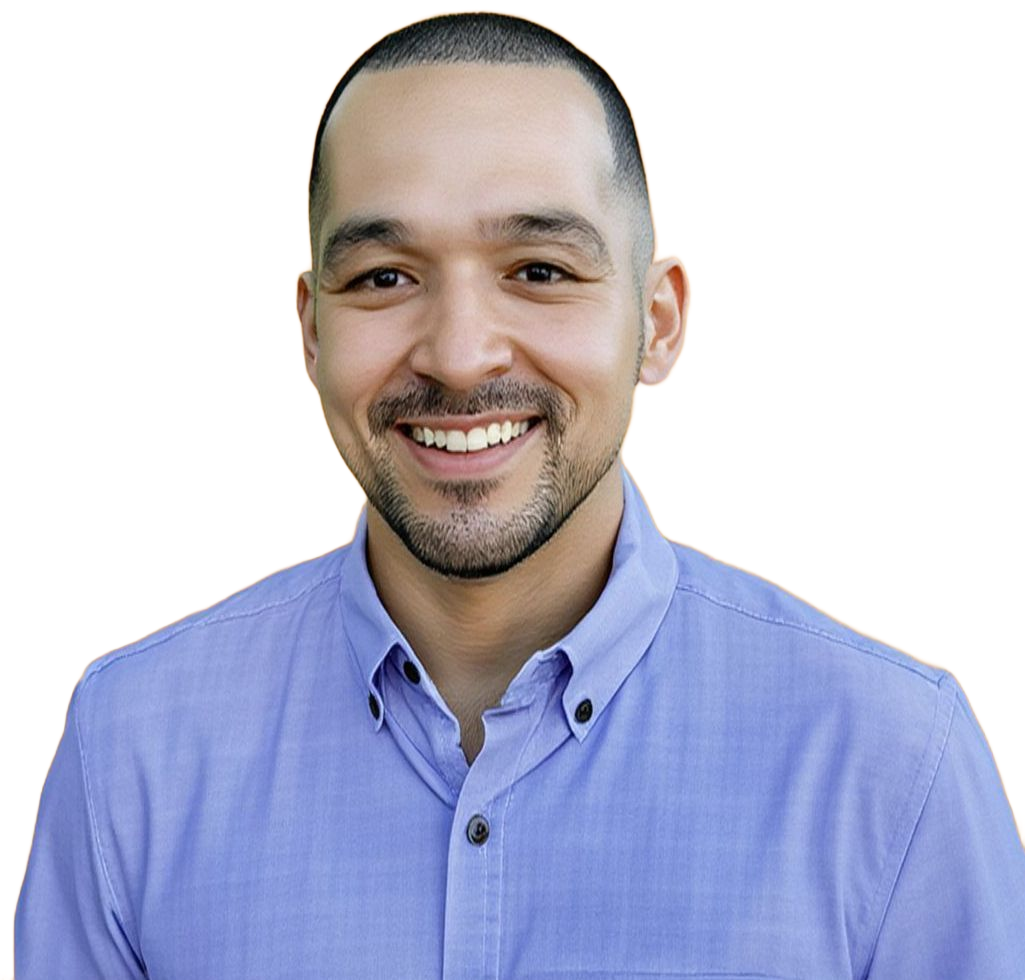
Marco DeLuca
Addiction & Rehabilitation Counsellor
Marco works with behavioural addictions as well as substance use, including gambling, and with the co-occurring mental health difficulties that often sit alongside them. He specialises in relapse prevention.
You will be allocated to the therapist who best meets your needs once you have booked. You do not have to work out who you need to see before you have spoken to anybody.
Related
Not sure if this is the right place to start?
Book an appointment and say what is going on. You do not have to work out what you need, or who you need to see, before you book.
Before you book: the form asks for a few details, including an emergency contact. If you do not have a diagnosis, writing "none" is a perfectly good answer. And if you are booking for someone else, say so in the "relationship to client" field and we will work it out from there. If there is a particular therapist you would like to see, put their name in the "Additional Information" box and we will take it into account.
Reviews
What our clients think
Are you in crisis?
- In an emergency, call 000
- Lifeline 13 11 14
- 1800RESPECT 1800 737 732
- Beyond Blue 1300 224 636
- Suicide Call Back Service 1300 659 467